South Pune: Sinhagad Road and Katraj
South Pune stretches along Sinhagad Road and Katraj, leading to the Sahyadri hills, historic forts, and Khadakwasla lake. It is a zone of contrasts: urban expansion meets green outskirts.

Character of the zone
South Pune is the city's southern edge, where the urban fabric gives way to the Sahyadri hills. Sinhagad Road is the main artery running south-west from the city centre towards Khadakwasla lake and Sinhagad fort. Katraj lies further south on the Satara road, at the foot of the Katraj ghat. This zone has a mixed character: residential colonies, educational institutions, and industrial areas sit alongside open spaces and hills.
Sinhagad Road is a long, busy corridor that feels increasingly suburban as you travel away from the city. Katraj is more compact, centred around the zoo and the old Pune–Satara highway. Both neighbourhoods serve as gateways for day trips to forts and lakes. The zone is less dense than central Pune, with more greenery and a slower pace, especially towards the outskirts.
- Sinhagad Road is the main route to Khadakwasla lake and Sinhagad fort.
- Katraj is the southern gateway on the Satara road, near the zoo.
- The zone has a mix of old villages and new apartment complexes.
- Green spaces and hills are within easy reach from both neighbourhoods.
How the neighbourhoods differ
Sinhagad Road is a long stretch with a suburban feel. It has many housing societies, colleges, and small markets. The road itself is often congested, especially near the city end. As you go further south-west, the surroundings become more rural, with farms and hills. Katraj is a busy junction town. It has a more traditional market area, the zoo, and the Katraj ghat, a steep climb on the Satara road. Katraj is also a transport hub for buses heading south.
Sinhagad Road residents tend to commute to central Pune for work. Katraj has more local employment in the zoo, the dairy, and small industries. Katraj is closer to the Pune–Satara highway, making it a transit point. Sinhagad Road is the preferred base for trekkers heading to Sinhagad fort. Both neighbourhoods have their own local markets, but for major shopping, people travel to Swargate or Deccan.
- Sinhagad Road is longer and more suburban; Katraj is a compact junction.
- Katraj has the zoo and the ghat; Sinhagad Road leads to the lake and fort.
- Katraj is a transport hub for buses; Sinhagad Road is quieter at the far end.
- Both have local markets, but central Pune is better for variety.
Getting around and distances
Sinhagad Road runs from the city centre (near Swargate) to Khadakwasla lake, about 15 km. Katraj is about 8 km south of Swargate on the Satara road. The two neighbourhoods are connected by the inner ring road. Public buses (PMT) run along both corridors. Auto-rickshaws are available but fares can be negotiated. The Pune Metro does not yet reach this zone; the nearest metro station is Swargate on the Purple Line.
For forts and hills, you need private transport or a hired vehicle. Sinhagad fort is about 35 km from Pune city centre, about 1 to 1.5 hours by road. Khadakwasla lake is about 15 km from Swargate. Katraj ghat is just south of Katraj town. The Mumbai–Pune Expressway is accessible via the Katraj interchange. Traffic on Sinhagad Road can be heavy on weekends and during peak hours.
Sights in and near South Pune
South Pune has several notable sights. Pu La Deshpande garden, also called Okayama Friendship Garden, is a large Japanese-style garden near Sinhagad Road. It has landscaped lawns, water bodies, and a peaceful atmosphere. Rajiv Gandhi Zoological Park in Katraj houses a variety of animals and a reptile park. It is a popular family destination. Parvati Hill, with its Peshwa-era temples, offers views of the city. The hill is reached by a long stone stairway.
Sarasbaug is a large lake with the Talyatla Ganpati temple on an island. It is a popular evening spot. Raja Dinkar Kelkar Museum in the city centre displays a vast collection of Indian artefacts. Mahatma Phule Mandai is a historic vegetable market. Tulshibaug market is known for its jewellery and traditional items. Dagdusheth Halwai Ganpati is a famous temple, especially crowded during Ganeshotsav. These central sights are a short bus or auto ride from South Pune.
- Pu La Deshpande garden is a Japanese-style garden near Sinhagad Road.
- Rajiv Gandhi Zoological Park in Katraj has a zoo and reptile park.
- Parvati Hill offers city views and Peshwa-era temples.
- Sarasbaug lake has the Talyatla Ganpati temple on an island.
- Dagdusheth Halwai Ganpati is a major temple in the city centre.
Who should stay here and practical tips
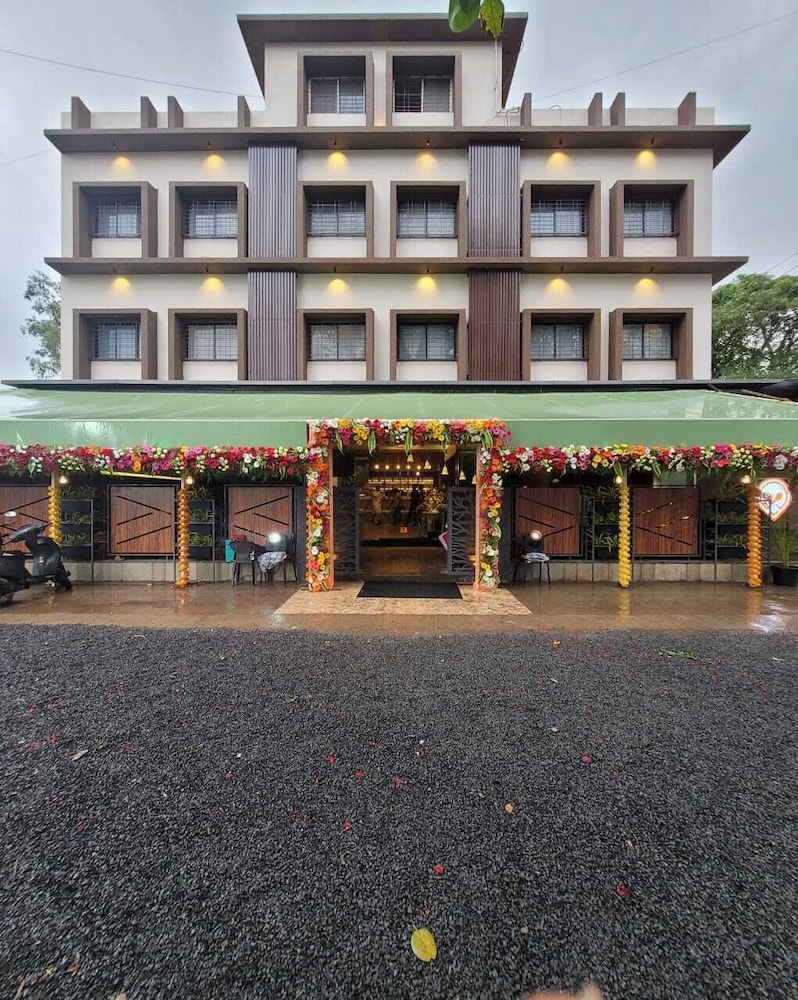
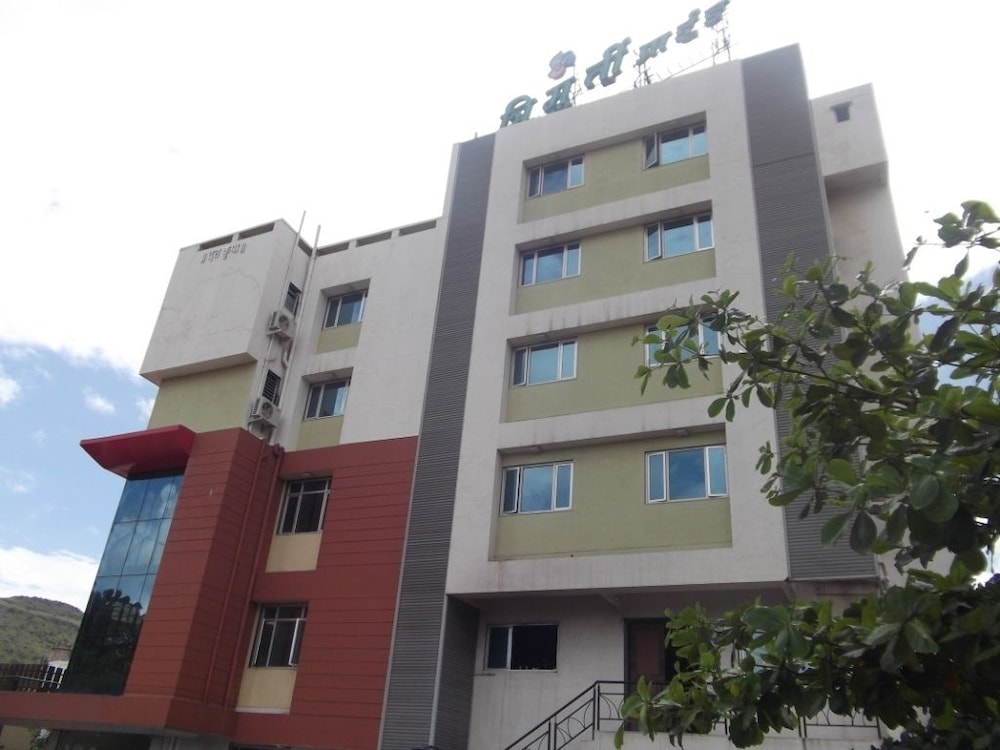
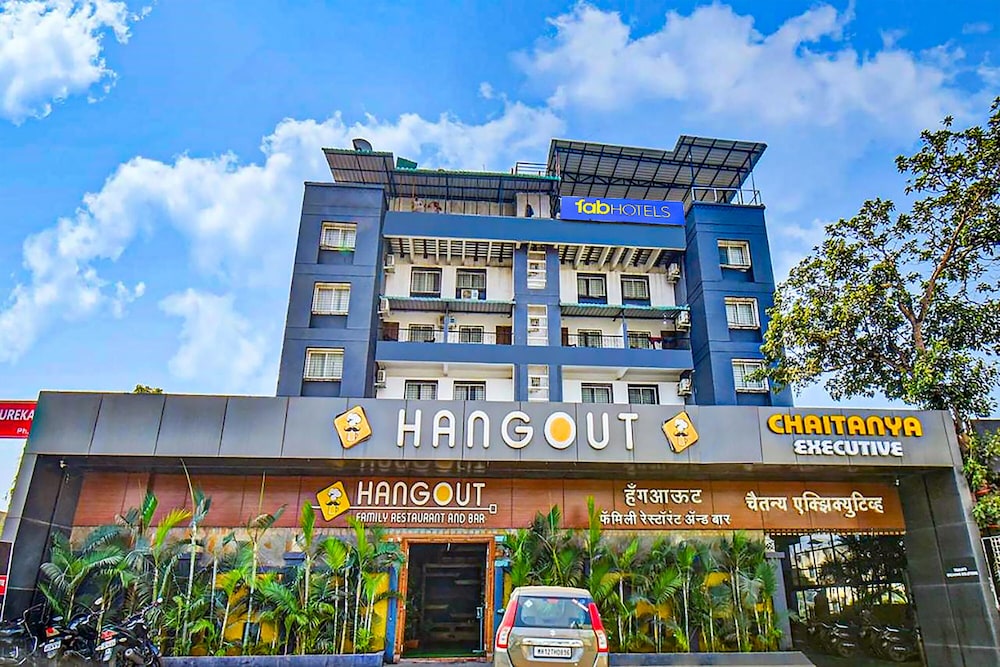
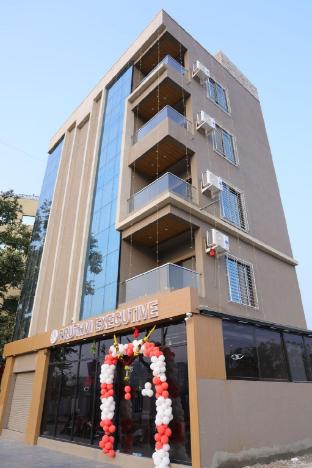
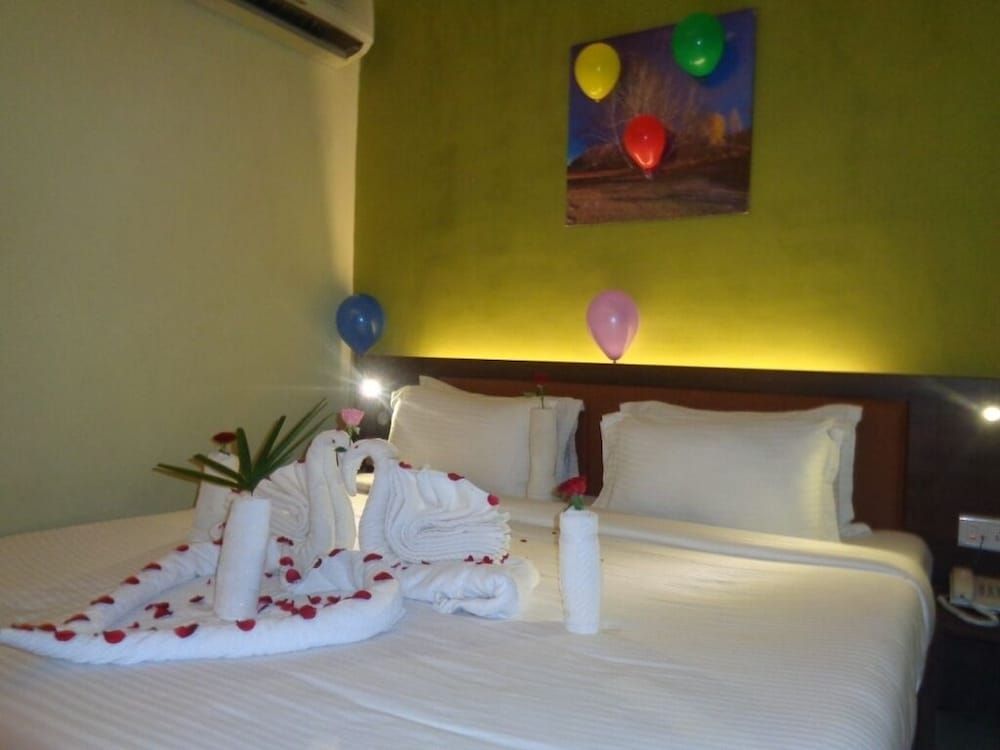
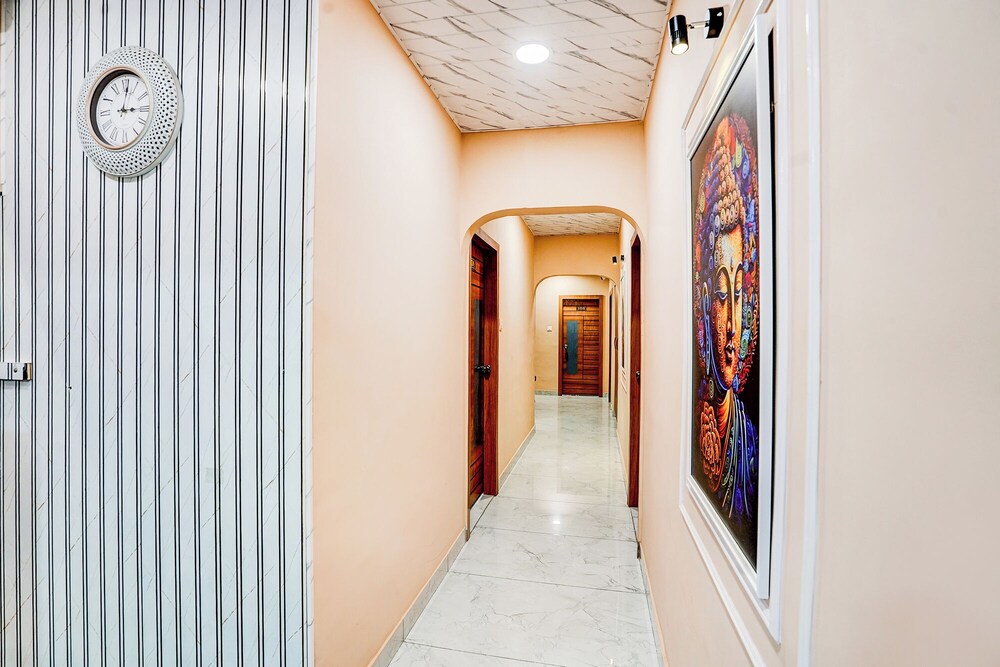
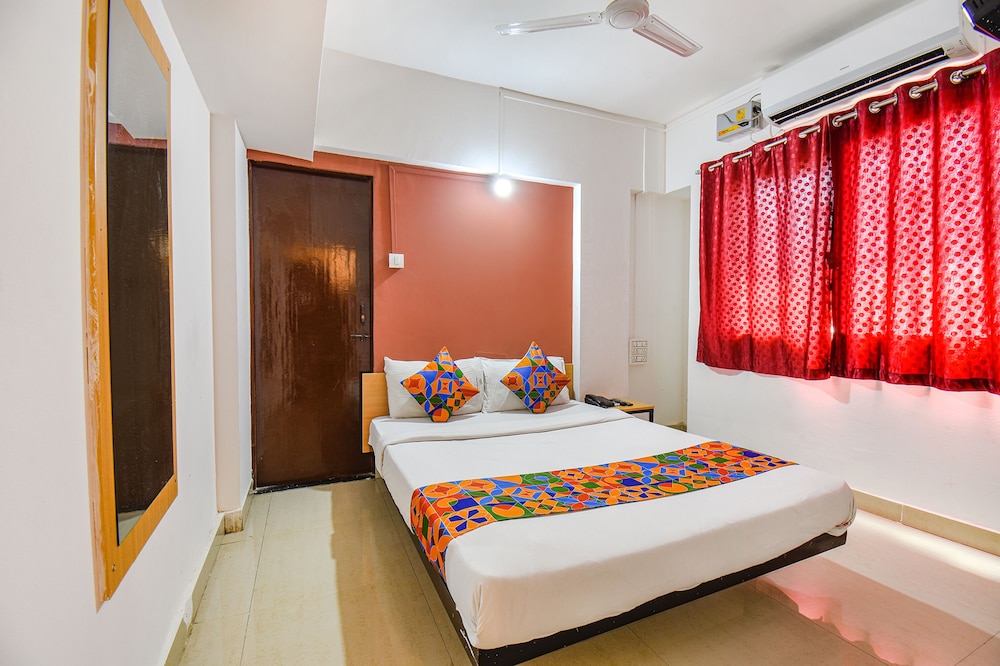
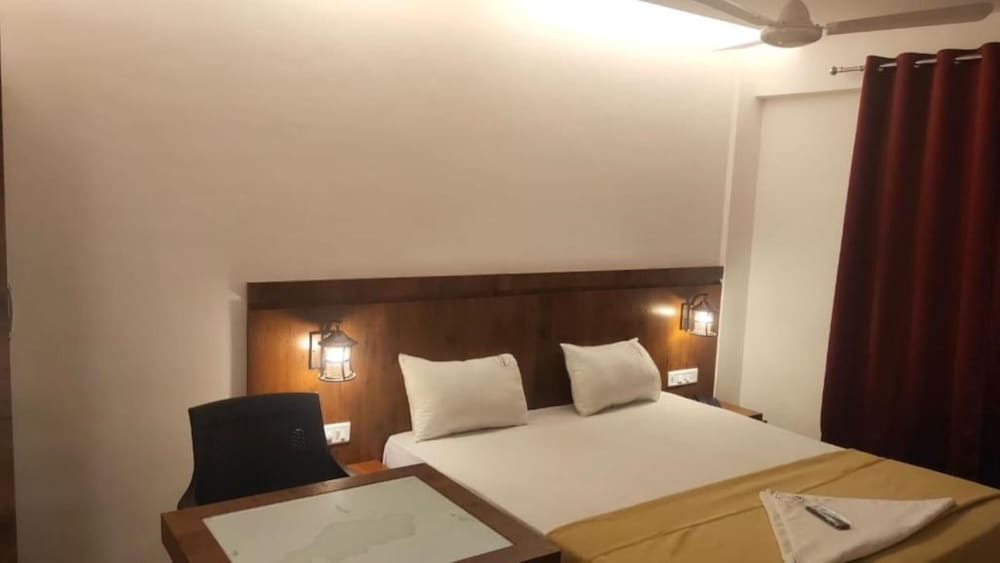
South Pune suits travellers who want a quieter base close to nature. It is ideal for trekkers planning to visit Sinhagad, Rajgad, or Torna forts. Families may prefer Katraj for the zoo and the garden. Business travellers might find the area less convenient for central Pune offices. The zone has a range of accommodation, mostly mid-range and budget. Eating options are local: misal pav, vada pav, and thalis are common. Avoid staying too far out if you need to commute daily to the city centre.
Practical tips: Carry cash, as ATMs are less frequent on the outskirts. Check weather before planning fort treks; monsoon trails are slippery. The zone is generally safe, but avoid isolated areas after dark. For Ganeshotsav, the immersion processions pass through Katraj and Sinhagad Road; roads may be closed. Always confirm current bus routes and timings at the nearest bus stand. For the zoo and garden, check opening days and timings locally.