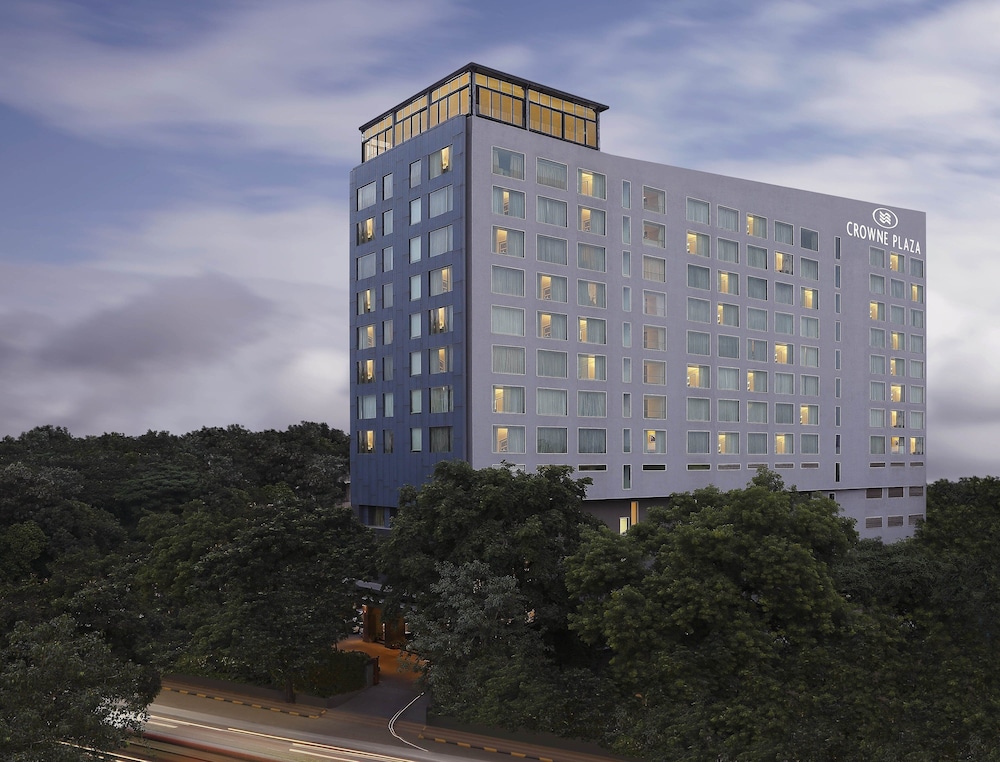
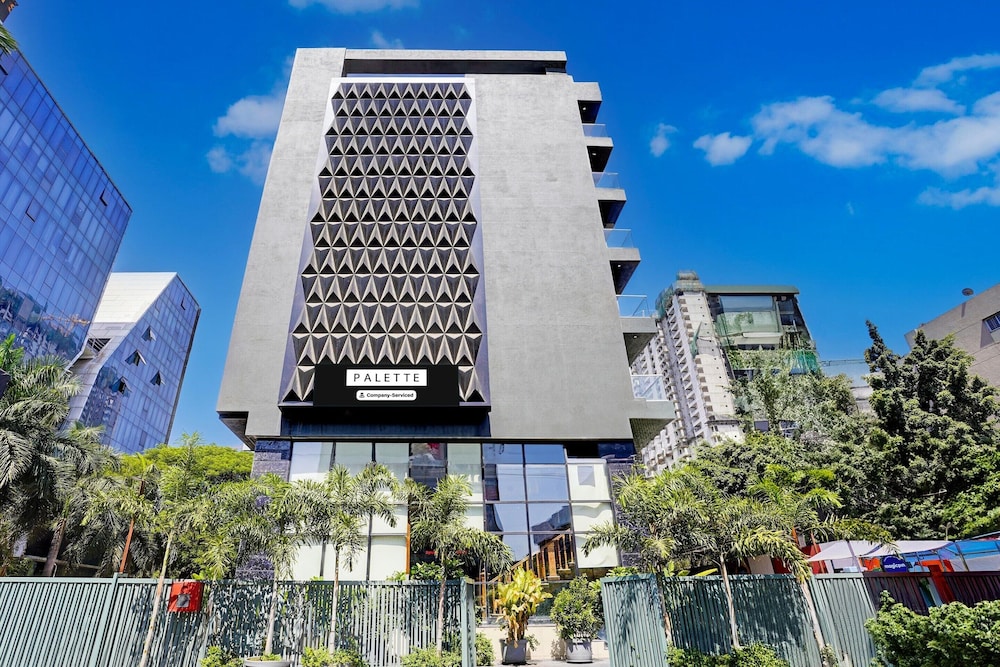
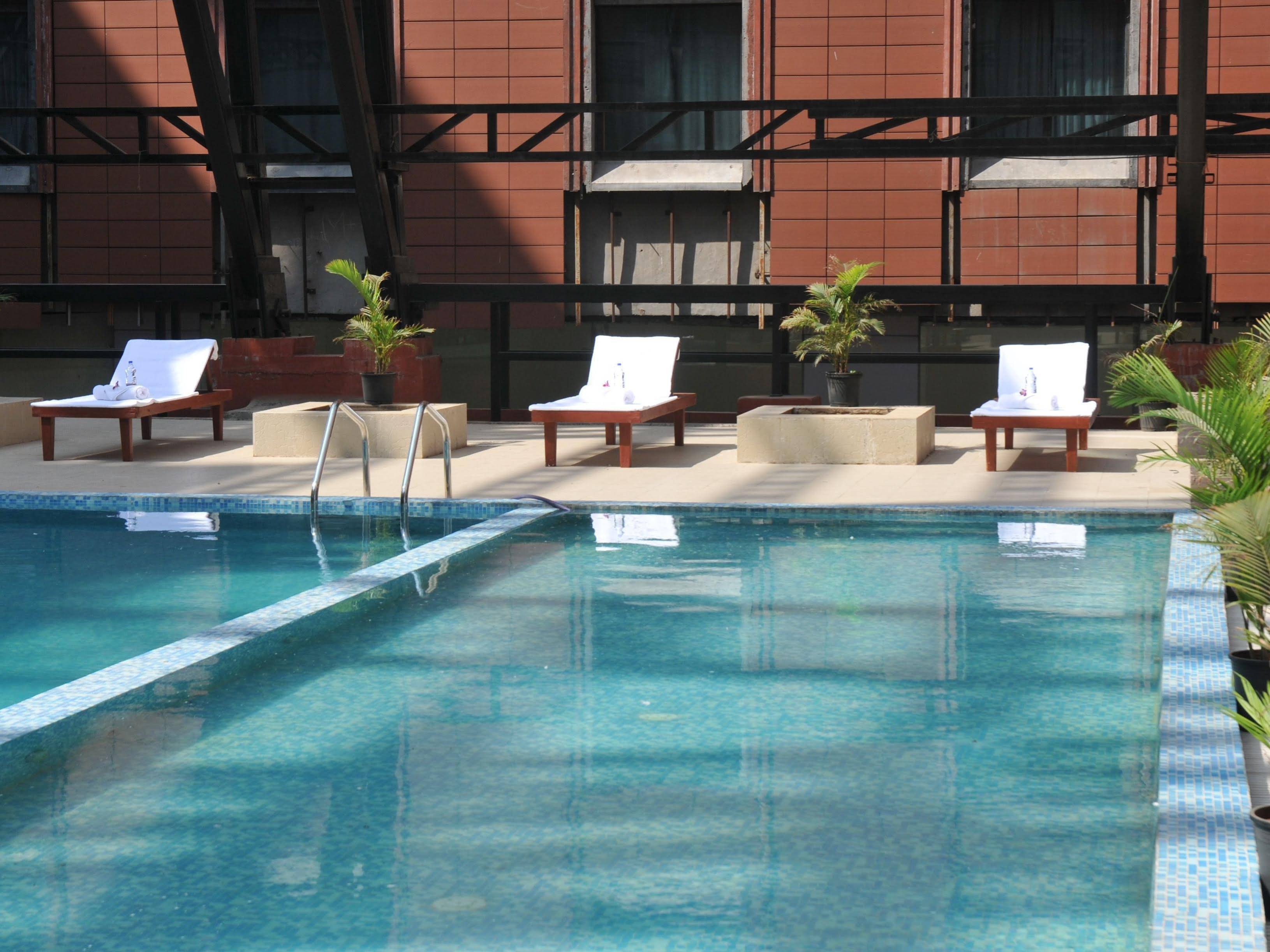
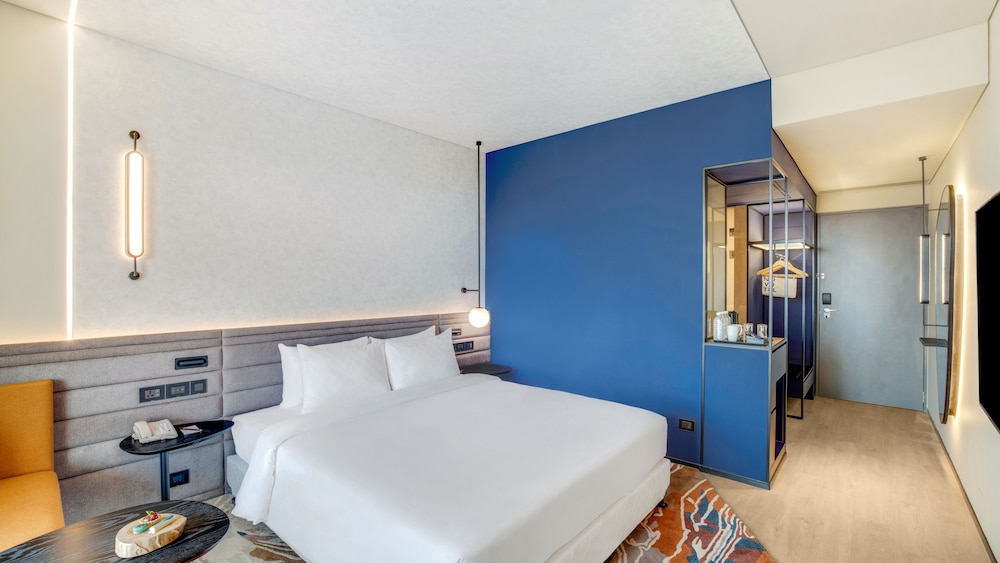
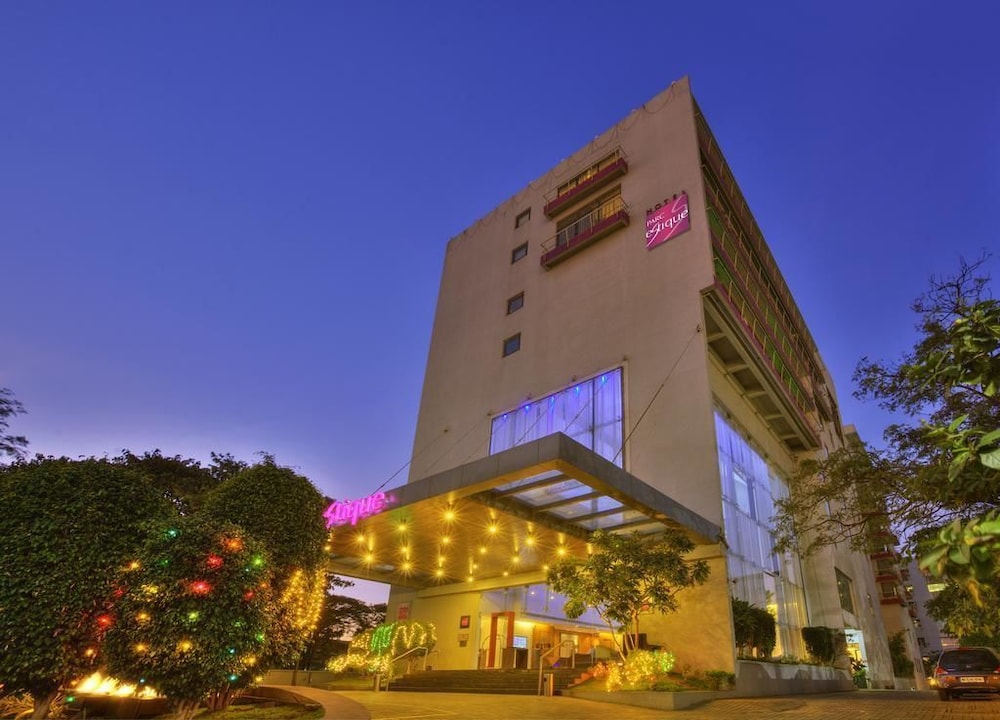
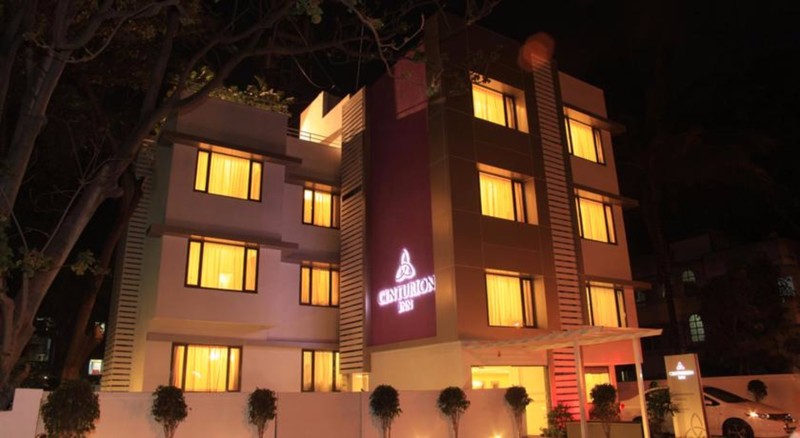
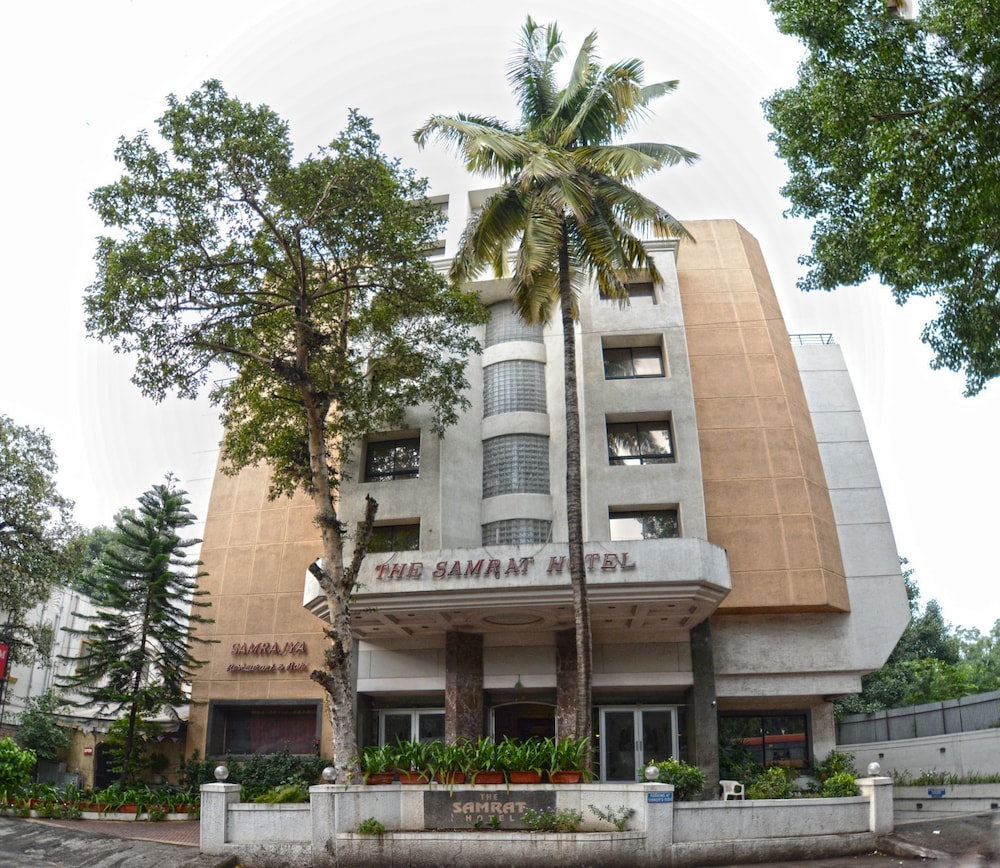
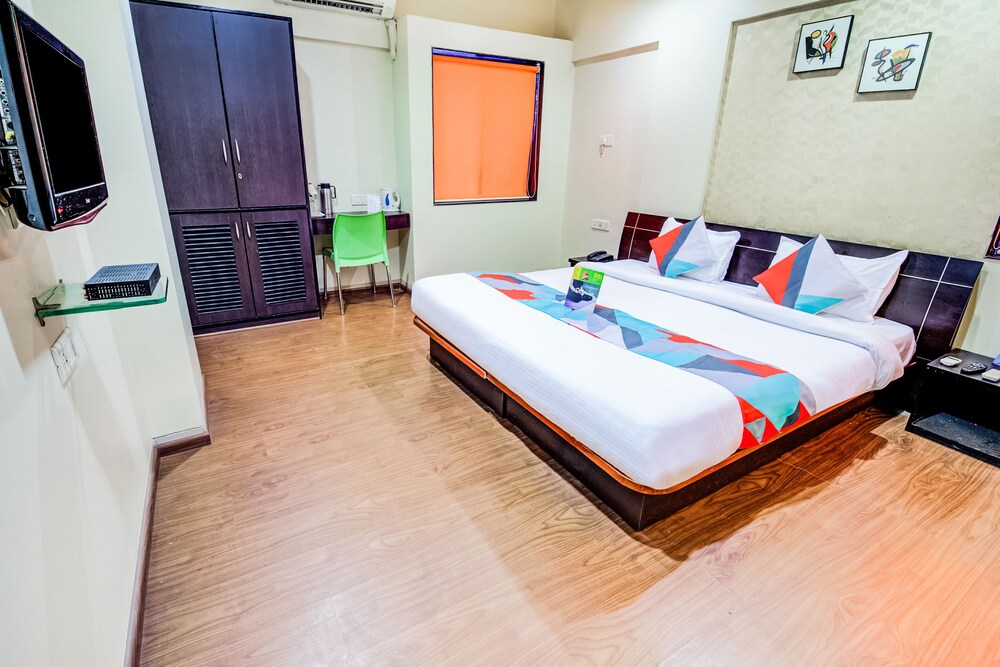
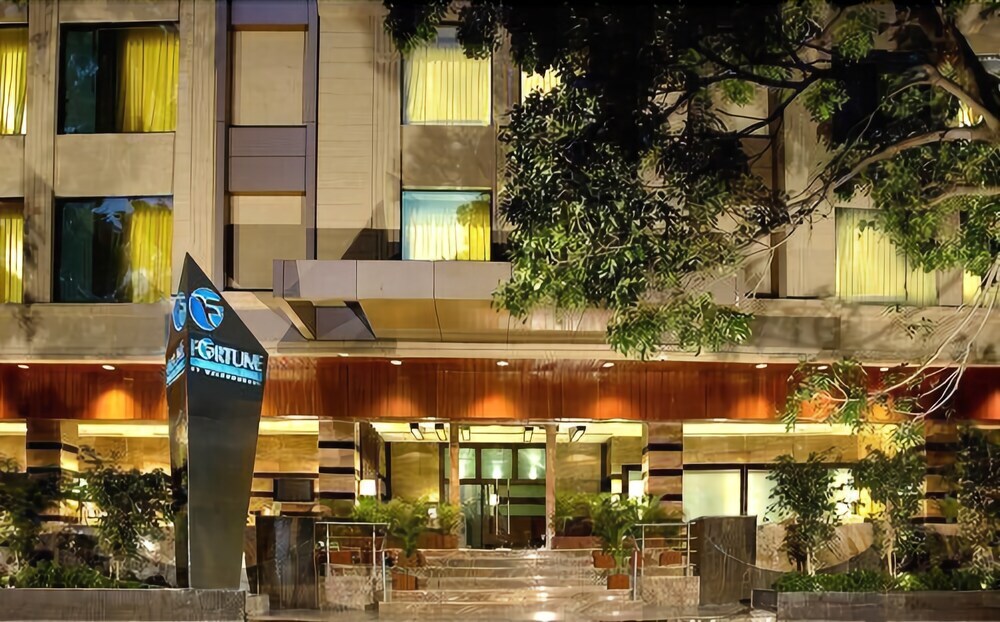
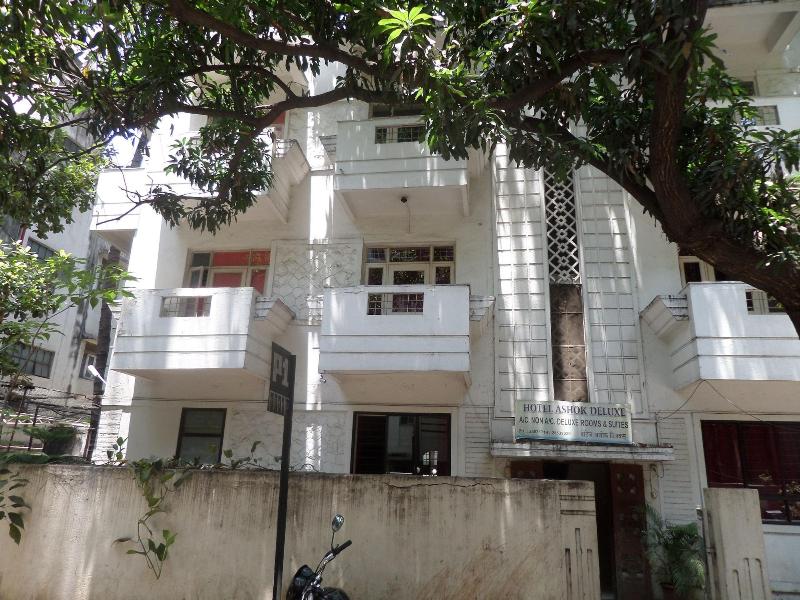
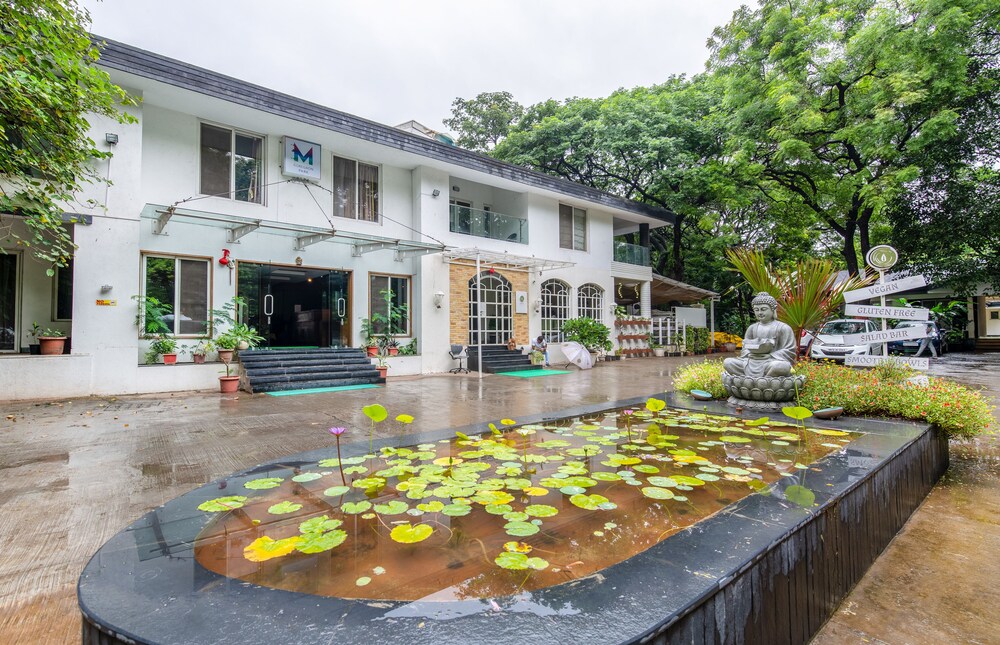
The Peshwa-era core: wooden wadas, temple lanes and markets in Shaniwar, Sadashiv, Budhwar and Kasba peths. Busy, atmospheric and the place to be during Ganeshotsav.
Lokmanya Tilak turned Ganesh Chaturthi into a public festival in Pune in 1893. Today hundreds of mandals build pandals, dhol-tasha troupes rehearse for weeks, and the final immersion procession runs through the night. It falls in August or September — book early.
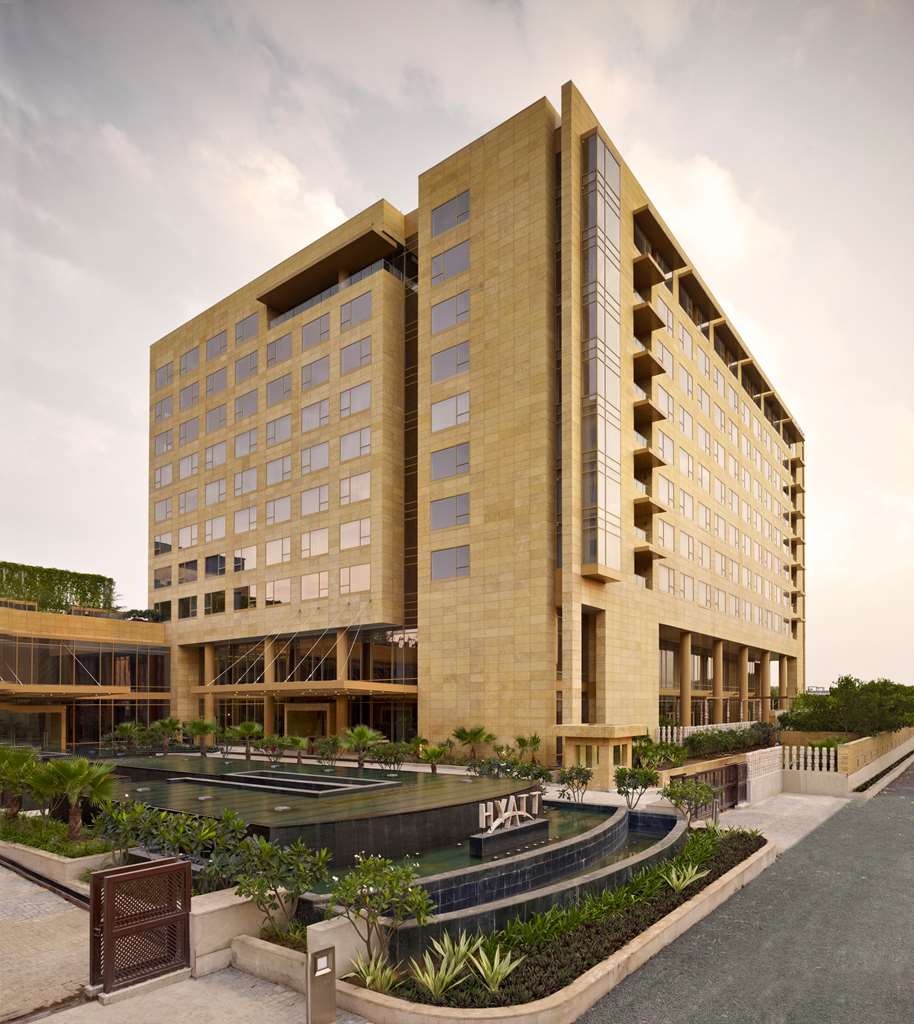
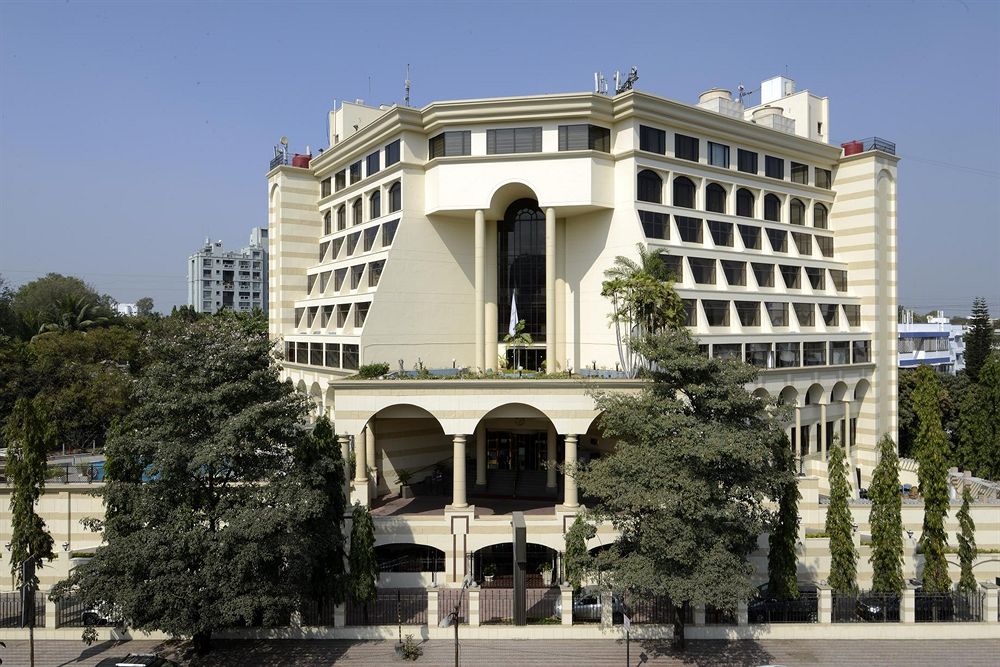
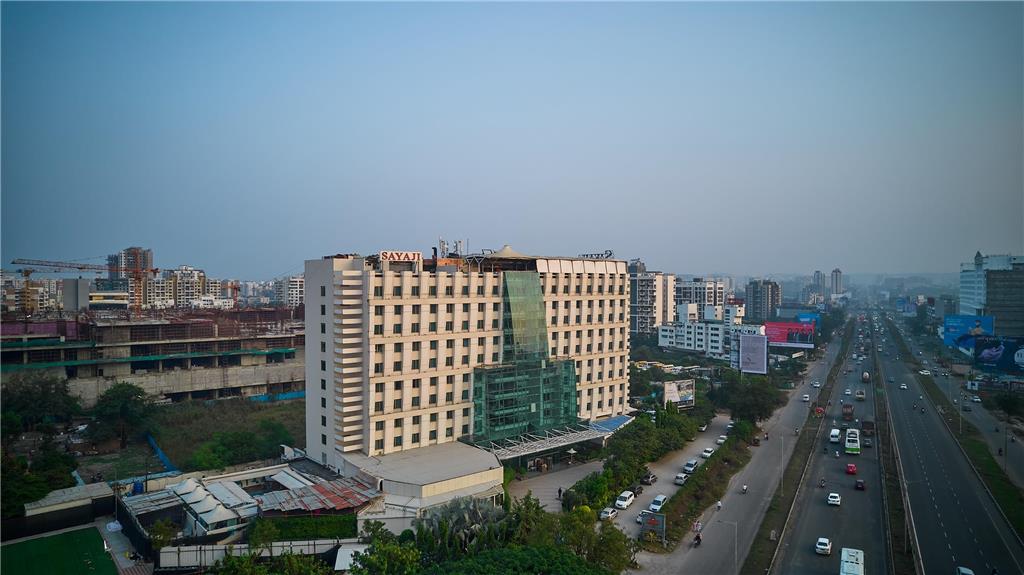
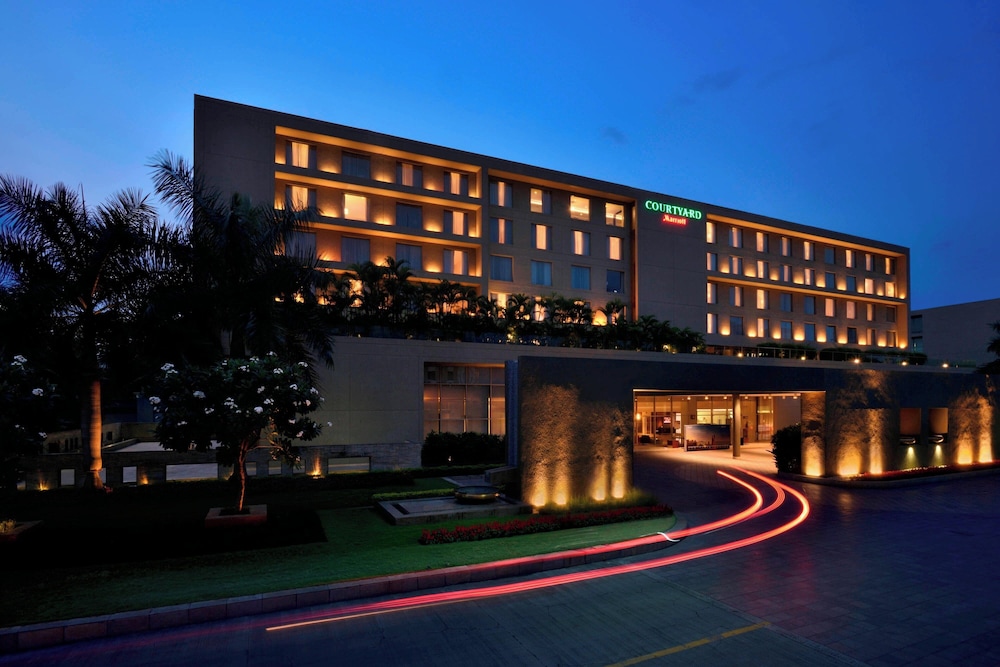
Guest scores are from the booking supplier. Prices and availability are live in the IMPT app.
Watch
Pune in 30 seconds
The river, the Peshwa gate at Shaniwar Wada, monsoon clouds rolling in, an evening on JM Road and the city from above.
Read the transcript
Pune, on the Mula-Mutha river. Shaniwar Wada, seat of the Peshwas until 1818. Monsoon clouds over Pune, June to September. Jangli Maharaj Road, Deccan. Pune from above: the city and the hills beyond. Best time to go: October to February. imptpune.in.
Video: Pexels clips by Aniket Suryawanshi, Prashant Darekar and Swapnil Kulkarni (Pexels licence), edited for imptpune.in.
Beyond the city
Pune is the gateway
Hill stations, caves and the coast are all within a day’s reach.
1 day · ≈1.5 h by road
Lonavala
Monsoon waterfalls, Karla and Bhaja caves, chikki to take home.
2 days · ≈3 h by road
Mahabaleshwar
Strawberry farms, valley viewpoints and Pratapgad fort nearby.
2–3 days · road or flight
Ajanta & Ellora
UNESCO rock-cut caves via Chhatrapati Sambhajinagar (Aurangabad).
Any length · ≈3 h
Mumbai
By Expressway or the Deccan Queen train through the ghats.
Pune travel guide: what to know before you book
Pune — once spelled Poona — is Maharashtra’s second-largest city and its cultural capital. It sits on the Deccan plateau where the Mula and Mutha rivers meet, about 560 m above sea level and roughly three hours south-east of Mumbai. In the 18th century it was the seat of the Peshwas, who ran the Maratha Empire from Shaniwar Wada. Later the British built a cantonment here, and the city became known for its universities, earning the nickname “Oxford of the East”. Today it mixes old wooden wadas and temple lanes with IT parks, car factories and one of India’s liveliest café scenes.
For travellers, Pune is relaxed and easy to like. The climate is gentler than Mumbai’s, the food is cheap and excellent, and a dozen Maratha hill forts lie within two hours. Most visitors spend two or three days in the city and add a fort or hill station.
Where to stay in Pune
Pick your base by what you plan to do. Koregaon Park is the favourite for first-timers: leafy, walkable and full of restaurants, with upscale hotels nearby. Camp (the old cantonment around MG Road) is central, with heritage bakeries and shopping. Deccan and FC Road put you near the colleges, cafés and Chitale Bandhu, while the old city peths — Shaniwar, Sadashiv, Budhwar and Kasba — are best for heritage and festival nights. Choose Viman Nagar or Kalyani Nagar for the airport, and Hinjewadi, Baner or Kharadi if you are working at the IT parks. Compare them all in our guide to Pune’s areas.
Top things to do
Shaniwar Wada: the Peshwa palace, completed in 1732 and largely destroyed by fire in 1828. The walls, gates and gardens remain; an evening sound-and-light show tells the story.
Dagdusheth Halwai Ganapati: Pune’s best-known Ganesh temple in Budhwar Peth, glowing with gold and open late.
Aga Khan Palace: built in 1892, where Mahatma Gandhi and Kasturba Gandhi were interned; Kasturba’s memorial is in the grounds.
Raja Dinkar Kelkar Museum: a private collection of lamps, musical instruments and everyday objects from across India.
Pataleshwar caves and Parvati Hill: an 8th-century rock-cut temple in the middle of the city, and 100-plus steps to temples with a sunset view.
Sinhagad: the “Lion Fort”, about 30 km south-west, famous for the 1670 battle led by Tanaji Malusare.
Two days in Pune
Day 1 — the old city: misal for breakfast, Shaniwar Wada, Kasba Ganpati and Dagdusheth, Tulshibaug market and the Kelkar Museum, then a mastani and dinner on FC Road.
Day 2 — forts and gardens: sunrise at Sinhagad, Aga Khan Palace after lunch, a stroll through Koregaon Park and the Osho Teerth garden, and dinner in Camp or Kalyani Nagar.
Practical tips
Money: cards and UPI work widely; keep some cash for autos, markets and small stalls.
Dress: cover shoulders and knees at temples; shoes come off at shrines.
Language: Marathi is the local language; Hindi and English are widely spoken. “Dhanyavaad” means thank you.
Traffic: plan around rush hour, especially to Hinjewadi and Kharadi; use the metro where you can.
Monsoon: fort paths get slippery from June to September — wear good shoes and check for closures.
The story of IMPT
Travel that does more
You book the hotel you were going to book anyway, and the booking itself pays for verified climate action.
01Why IMPT existsMost people won’t change how they live to help the climate. IMPT builds the impact into things they already do, starting with booking a hotel.
02How travel creates impactHotels pay a commission on every booking. IMPT directs part of it to climate action, so your stay costs the same and funds the work.
03Carbon credits & projectsEach booking funds one tonne of verified carbon offset from named projects, including projects in India.
04Why blockchainEvery step from booking to credit retirement is written to a public ledger, so a credit can’t be claimed twice or quietly invented.
Impact
Real credits. Real projects. No greenwashing.
Every booking funds one tonne of verified carbon offset, paid from IMPT’s commission rather than added to your bill. Each retirement is recorded on chain, so the impact can be checked.
Koregaon Park or Camp for a first visit; Deccan or the old city peths for heritage and food; Viman Nagar for the airport; Hinjewadi or Kharadi for IT-park business trips. Compare areas.
What is the best time to visit Pune?
October to February is dry and mild. June to September is monsoon, when the Sahyadri hills turn green. March to May is hot.
How far is Pune airport from the city?
Pune airport (PNQ) is at Lohegaon, next to Viman Nagar. Koregaon Park is usually 20–40 minutes away; Hinjewadi can take over an hour in traffic.
How many days do you need in Pune?
Two days covers the city highlights. Add a day for Sinhagad or Lonavala, and two more for Mahabaleshwar.
When is Ganeshotsav in Pune?
Ganeshotsav runs for ten days in August or September, following the Hindu calendar, and ends with immersion processions on Anant Chaturdashi.
How do I get from Mumbai to Pune?
About 3 hours by road on the Mumbai–Pune Expressway, or roughly 3–3.5 hours by express train such as the Deccan Queen.
Do I need a visa for India?
Most foreign visitors need an Indian e-Visa, applied for online before travel. Check the official Indian government visa site for current rules.
What is the best way to get around Pune?
Pune Metro connects several key areas: the Purple Line from PCMC to Swargate and the Aqua Line from Vanaz to Ramwadi. Auto-rickshaws and app-based cabs are widely available. Buses run by PMPML cover most routes. Traffic can be heavy during peak hours; plan accordingly.
Is Pune safe for solo travellers?
Pune is generally safe for solo travellers. Exercise usual caution at night, especially in less crowded areas. Keep valuables secure and use registered transport. The city has a visible police presence in central areas. Women travellers may find Koregaon Park and Camp areas comfortable.
What should you pack for a trip to Pune?
From October to February, pack light layers and a jacket for cool evenings. March to May requires light cotton clothing and sun protection. For the monsoon (June–September), bring a waterproof jacket and umbrella. Comfortable walking shoes are useful for exploring forts and hills.
Photo credits: Photo on Pexels; Aakash.gautam, CC BY-SA 3.0, via Wikimedia Commons; Mukul2u at English Wikipedia, Public domain, via Wikimedia Commons; Sankarshan Mukhopadhyay from Pune, India, CC BY-SA 2.0, via Wikimedia Commons; Randy Breese, CC BY 2.0, via Wikimedia Commons; AnubhavSinha, CC BY-SA 3.0, via Wikimedia Commons; Vikasapte at en.wikipedia, CC BY-SA 3.0, via Wikimedia Commons; Vitthal Dikonda on Pexels; Sourabh Narwade on Pexels; Akhilesh Sarfare on Pexels; LUCKY FOREVER on Pexels; Aditya Sanjay on Pexels; Vedant on Pexels; ABHI MoRE on Pexels; Sushant Lokhande on Pexels; Deepak Shendkar on Pexels; YV Clicks on Pexels; Maskaravivek, CC BY-SA 3.0, via Wikimedia Commons; Bikashrd, CC BY-SA 4.0, via Wikimedia Commons; Nikhil.kawale, CC BY-SA 3.0, via Wikimedia Commons; Akshit 77, CC BY-SA 4.0, via Wikimedia Commons; Andy Hay from UK, CC BY 2.0, via Wikimedia Commons; Wind Hashira, CC BY-SA 4.0, via Wikimedia Commons; Shreya13jain, CC BY-SA 4.0, via Wikimedia Commons; DILIP BHALERAO on Pexels.

 Shaniwar Wada, completed 1732