
One tonne with every booking.
Every hotel booking made through IMPT, on imptpune.in or on any other IMPT site, funds one tonne of verified CO₂ offset. The offset is part of the price you already see, there is nothing extra to pay, and what was offset is reported for each trip.
How the offset works
Four steps, in this order. Nothing in them is optional, nothing is added at checkout, and none of it needs anything from you beyond the booking itself.
The tonne is not an average spread across a year and not a block bought in bulk at the end of one. It is funded booking by booking, and the credit is verified before it counts.
- 01You book a room at the live rateThe price on the page is the live rate for the dates you picked. Nothing is added to it for carbon.
- 02IMPT funds one tonne of verified CO₂ offsetEvery single booking funds one tonne, whichever IMPT site it was made from.
- 03The credit is retired against a registered projectThe tonne is matched to a registered climate project and retired there, so the same tonne cannot be counted twice.
- 04The offset is reported on your tripWhat was offset is attached to that journey rather than to a year-end total.
That is the whole mechanism. One booking, one live price, one tonne, reported back against the trip it belongs to.
Why carbon matters here
Pune sits on the Deccan plateau, where the Western Ghats catch the monsoon and feed the rivers that supply the city. The climate is changing: summers grow hotter, rains more erratic. Every trip to Pune leaves a carbon footprint. IMPT includes a verified one-tonne CO₂ offset with every hotel booking, reported for each trip. This page explains why carbon matters in Pune and how visitors can travel lighter.
Why carbon matters in Pune
Pune's location on the Deccan plateau, at the edge of the Western Ghats, makes it sensitive to changes in temperature and rainfall. The city draws its drinking water from dams in the Mutha basin: Khadakwasla, Panshet, Varasgaon and Temghar. These reservoirs depend on the south-west monsoon, which has become less predictable. A warmer climate means more evaporation from the lakes and greater demand for water in the dry months.
Summers in Pune now regularly pass 40 °C in April and May. The urban heat island effect raises temperatures in built-up areas further. Heavy monsoon downpours cause local flooding in low-lying parts of the city, such as along the Mula-Mutha river. Carbon emissions contribute to these shifts. Reducing a travel footprint helps slow the warming that affects Pune's water supply, air quality and liveability.
The city's transport sector is a major source of emissions. Private vehicles dominate the roads. The Pune Metro, operated by Maha-Metro, offers a lower-carbon alternative on the Purple and Aqua lines. PMPML runs city buses with a growing electric fleet. Choosing public transport, walking or cycling on the flat parts of the city reduces the carbon cost of a visit. Every tonne of CO₂ offset through IMPT covers the emissions from a stay.
The Western Ghats and the monsoon
The Western Ghats, or Sahyadri range, run roughly 150 km west of Pune. They were inscribed as a UNESCO World Heritage Site in 2012 for their biodiversity. The range catches the moisture-laden winds of the south-west monsoon, forcing them to rise and release rain. This rainfall feeds the rivers that flow east to the Deccan, including the Mula and Mutha that meet in Pune. The Ghats are the city's water tower.
Forests in the Ghats store carbon in their biomass and soil. When forests are cleared for development or agriculture, that carbon is released. The remaining forests, especially in protected areas such as the Bhimashankar Wildlife Sanctuary and the Koyna Wildlife Sanctuary, are important carbon sinks. Visiting these forests with a low-impact approach helps preserve their role in regulating the climate.
The monsoon season, from June to September, brings the heaviest rain in July. Trails on the Ghats forts, such as Sinhagad, Rajgad and Lohagad, become slippery. Check local advisories before hiking. Some sites restrict access after heavy rain. The green season is also the time when the Ghats absorb the most carbon through photosynthesis. A visit during the monsoon supports local economies while the forests work.
Water, dams and the Mula-Mutha
Pune's water supply comes from four dams in the Mutha basin: Khadakwasla, Panshet, Varasgaon and Temghar. These reservoirs store monsoon rain and release it through the dry months. The water flows through the Mutha river, which joins the Mula in the city to form the Mula-Mutha. The river carries untreated sewage in places, and riverfront cleaning projects are under way. Check the current status of these initiatives.
Dams themselves produce greenhouse gases. When organic matter decomposes in the flooded reservoir, it releases methane, a potent greenhouse gas. The reservoirs behind these dams are relatively small, but their contribution to Pune's carbon footprint is real. Reducing water waste in the city helps lower the demand for dam storage and the associated emissions. Visitors can conserve water by taking shorter showers and reusing towels.
The Mula-Mutha riverfront has been the focus of restoration efforts. Planting native trees along the banks increases carbon sequestration and reduces erosion. The river also provides a corridor for birds and small mammals. Walking or cycling along the river path, where it exists, is a low-carbon way to see the city. Avoid contributing to plastic waste that ends up in the river and eventually the ocean.
Heat, hills and the city's green tekdis
Pune's hills, known as tekdis, are protected green spaces that residents walk and defend. Vetal tekdi, Parvati Hill and Taljai are the most prominent. These hills are covered in native vegetation that absorbs carbon dioxide and cools the surrounding areas through evapotranspiration. Parvati Hill is reached by a long stone stairway, commonly given as 103 steps, leading to Peshwa-era temples at the top.
Urban heat islands form where concrete and asphalt replace vegetation. Pune's tekdis act as cool islands within the city. They also provide habitat for birds, butterflies and small mammals. Walking on the tekdis is a low-carbon activity that connects a visitor to the city's natural heritage. Respect the trails, carry waste out and avoid disturbing the wildlife. The hills are a shared resource that depends on everyone's care.
As summers grow hotter, the tekdis become more important for recreation and climate resilience. Tree-planting drives on the hills help expand the green cover. Visitors can join a clean-up walk or a tree-planting event during a stay. These activities have a small carbon footprint and a direct positive impact on the local environment. Check with local environmental groups for current opportunities.
Travelling lighter in and from Pune
Getting to Pune from Mumbai by train produces far less carbon per passenger than flying or driving. The Deccan Queen express takes about 3 to 3.5 hours. The Mumbai–Pune Expressway is about 150 km, but traffic varies and the drive can take longer. For longer journeys, trains are the lower-carbon option. The Pune Junction railway station is near Camp and Koregaon Park, convenient for most visitors.
Once in Pune, use the Metro. The Purple Line runs from PCMC through Shivajinagar to Swargate. The Aqua Line runs from Vanaz through Deccan Gymkhana to Ramwadi. Check the current network for extensions. PMPML buses, including the growing electric fleet, cover most areas. Auto-rickshaws are widely available; for short trips, walking or cycling is practical on the flat parts of the city, such as Koregaon Park and Camp.
For day trips to the forts or the Ghats, share a taxi or take a bus rather than hiring a private car. Lonavala and Khandala are about 65 km towards Mumbai. Mahabaleshwar is about 120 km south-west, about 3 hours. Pack light to reduce the weight carried by vehicles. Carry a reusable water bottle and avoid single-use plastics. Every small choice reduces the carbon cost of a trip.
What visitors can see and support locally
The Aga Khan Palace, built in 1892, is a site of national importance. Mahatma Gandhi, Kasturba Gandhi and Mahadev Desai were held there from 1942 to 1944. Kasturba Gandhi and Mahadev Desai died there and have memorials in the grounds. The palace grounds are planted with trees that provide shade and absorb carbon. An entry fee applies. The site is a reminder of the connection between freedom and environmental stewardship.
The Pataleshwar caves, an 8th-century rock-cut temple to Shiva on Jangli Maharaj Road, are a quiet spot in the city. The rock-cut architecture required no cement or fired bricks, so its embodied carbon is low. The caves are cool even on hot days. Visit early to avoid crowds. The site is maintained by the Archaeological Survey of India. A small donation supports preservation.
The Ganeshotsav festival, promoted by Lokmanya Bal Gangadhar Tilak from 1893, is a ten-day event in August or September. The immersion processions on Anant Chaturdashi draw large crowds. The festival has a carbon footprint from transport, decorations and idol materials. Many organisers now use eco-friendly clay idols and natural colours. Supporting these efforts helps reduce the festival's environmental impact while preserving its cultural significance.
- Use the Metro: The Purple and Aqua lines cover the main corridors; check the current network for extensions.
- Walk the tekdis: Vetal tekdi, Parvati Hill and Taljai are free to enter and offer a low-carbon way to see the city.
- Take the train to Mumbai: The Deccan Queen takes about 3 to 3.5 hours and produces far less carbon than flying.
- Carry a reusable bottle: Pune's tap water is not drinkable; refill at a hotel or use a filter bottle.
- Avoid single-use plastics: Many shops and stalls accept refills; carry a own bag for purchases.
- Join a clean-up walk: Local groups organise litter picks on the tekdis and riverfront; check current schedules.
The projects behind the credits
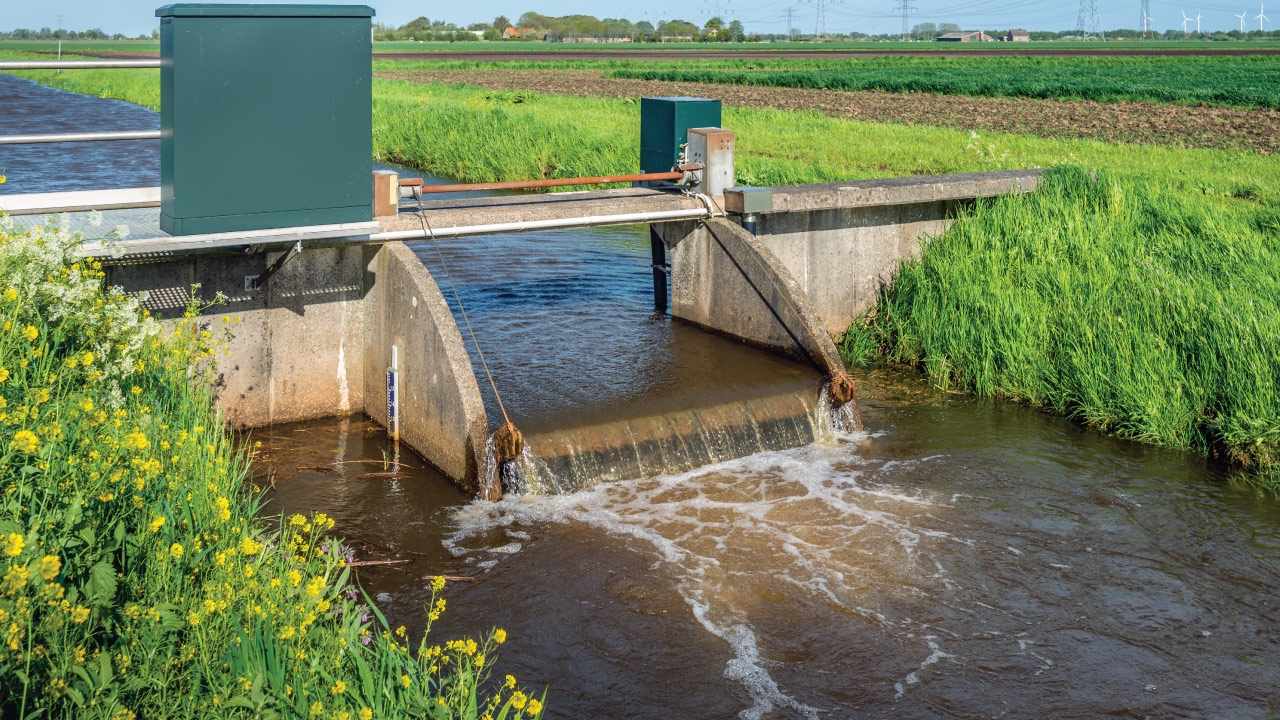
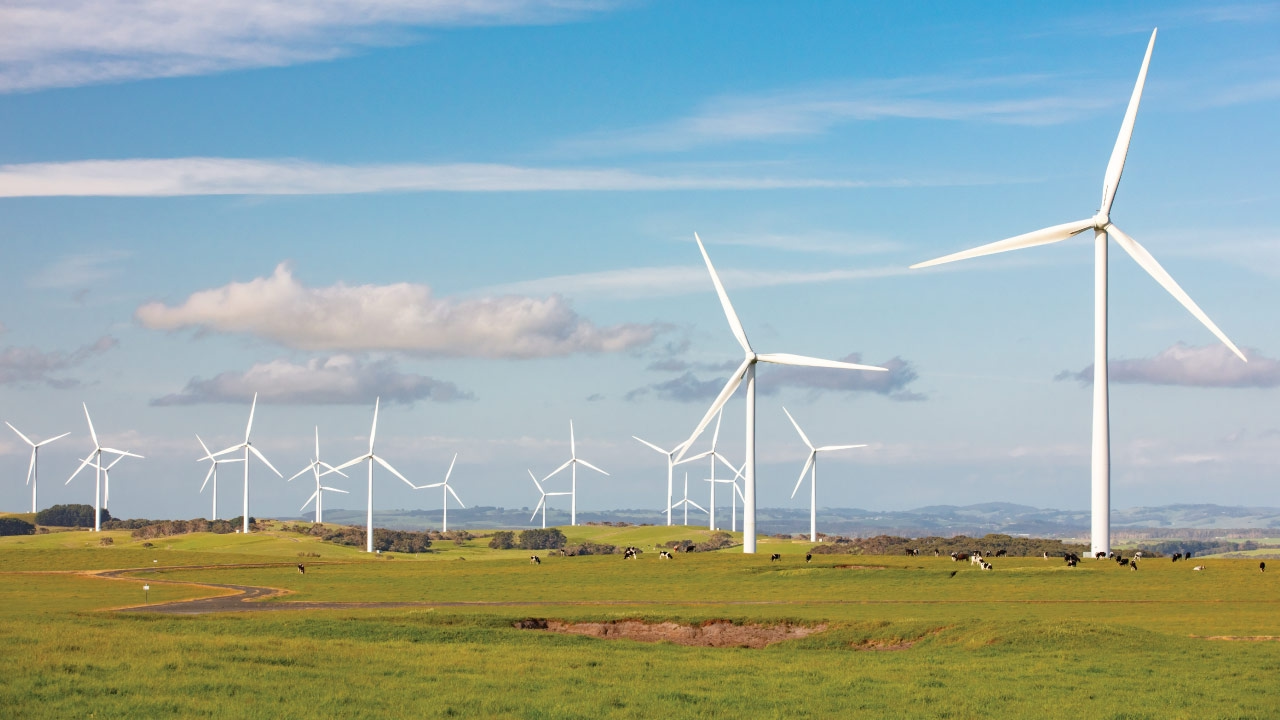
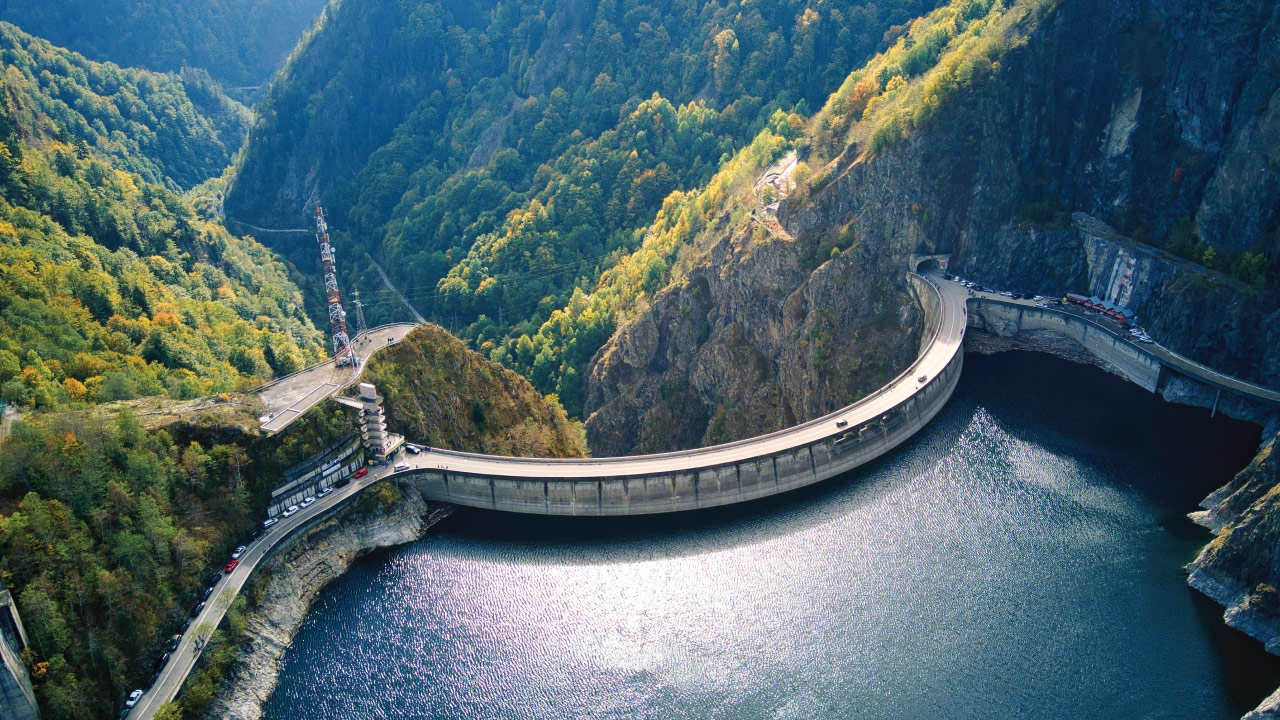
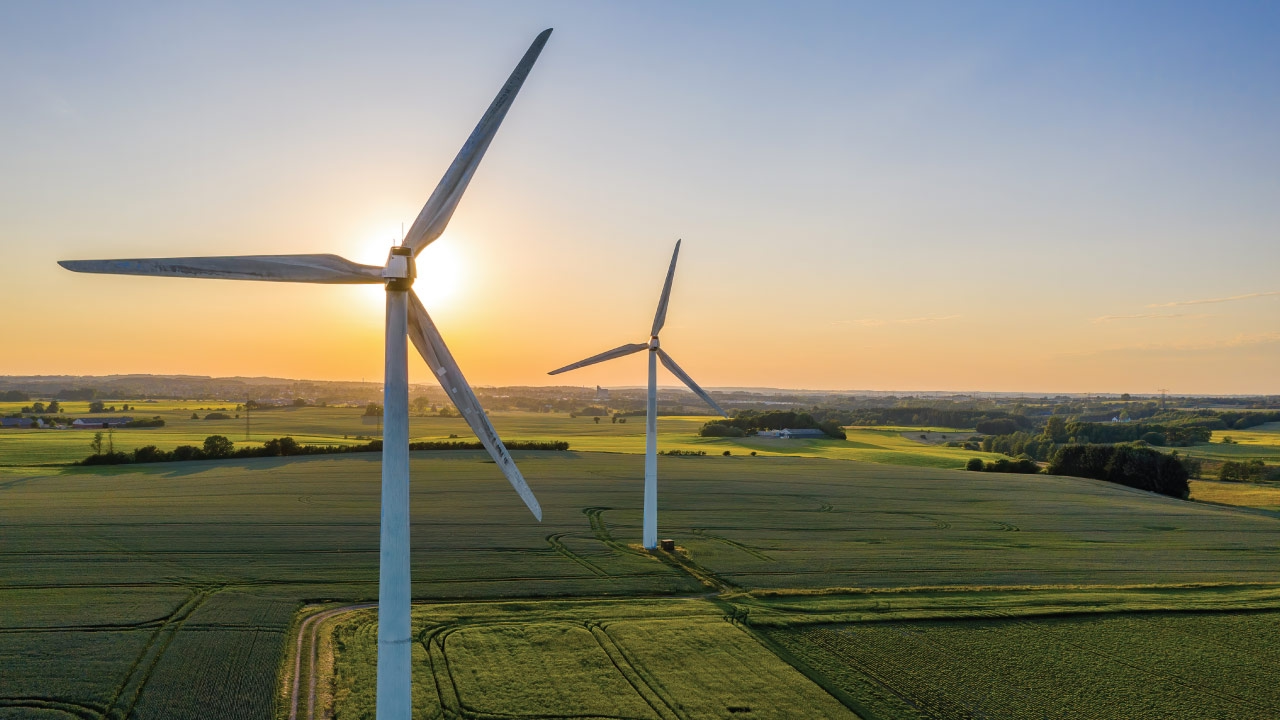
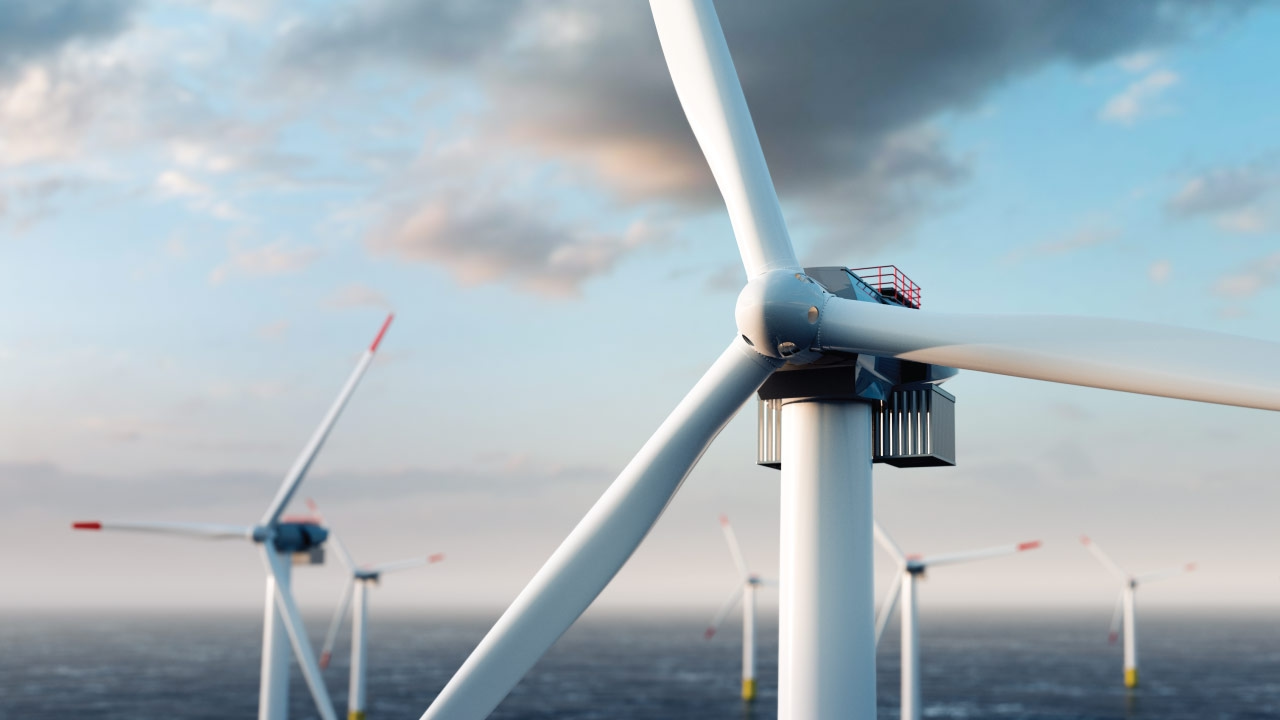
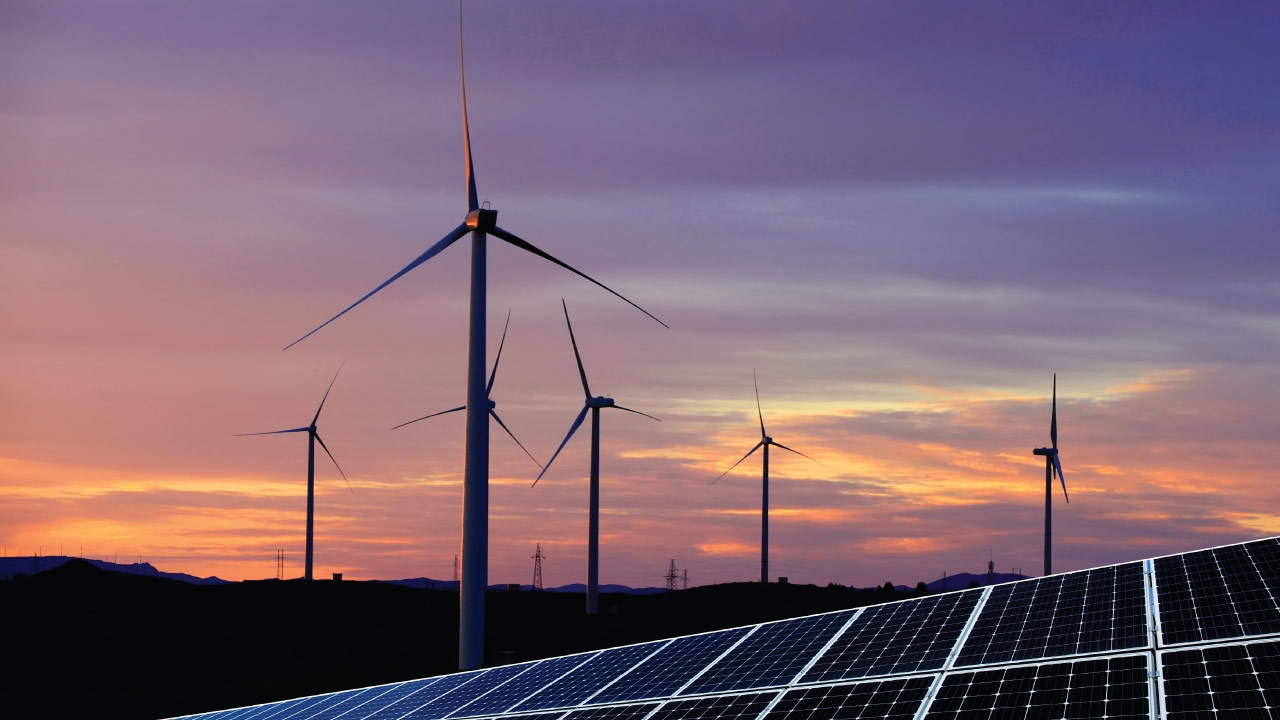
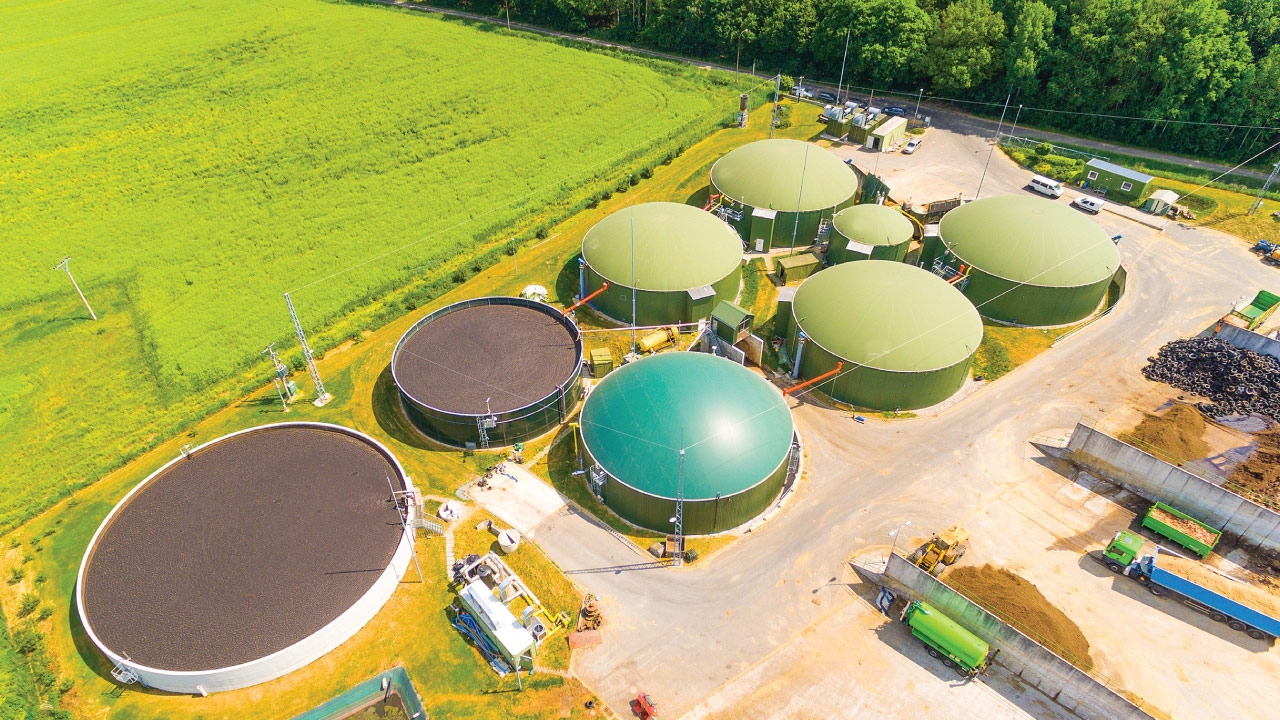
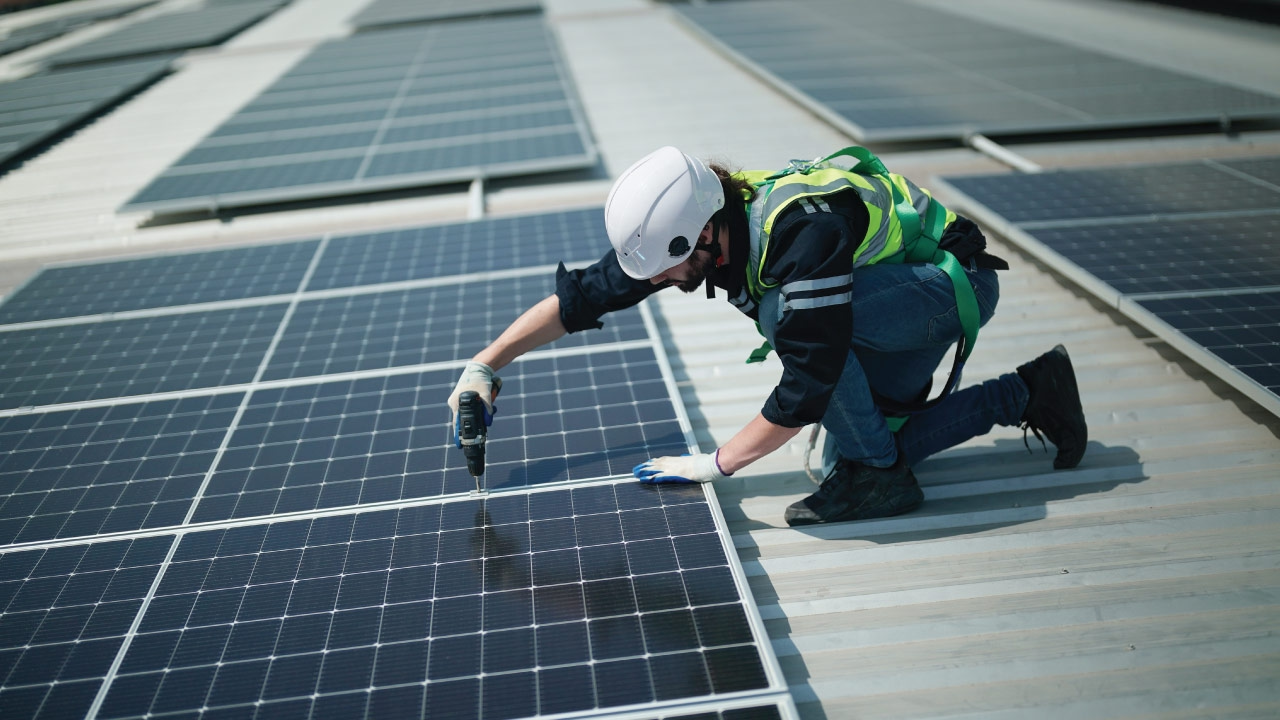
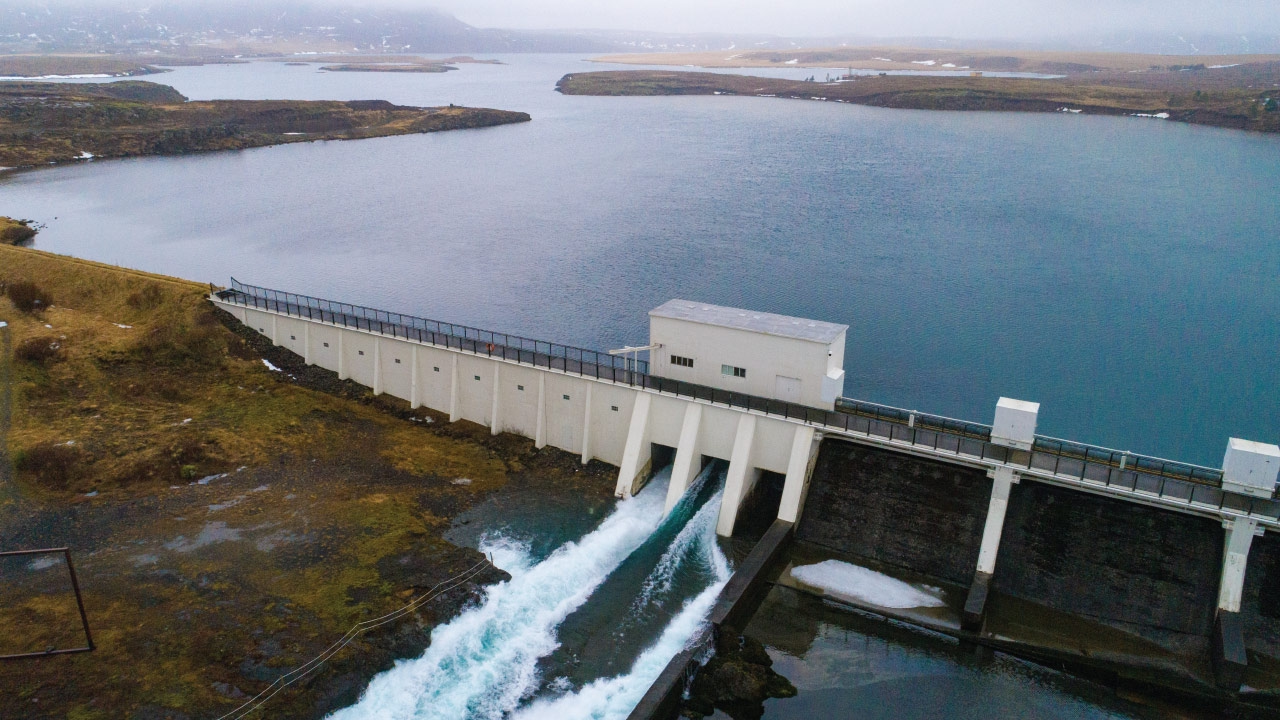
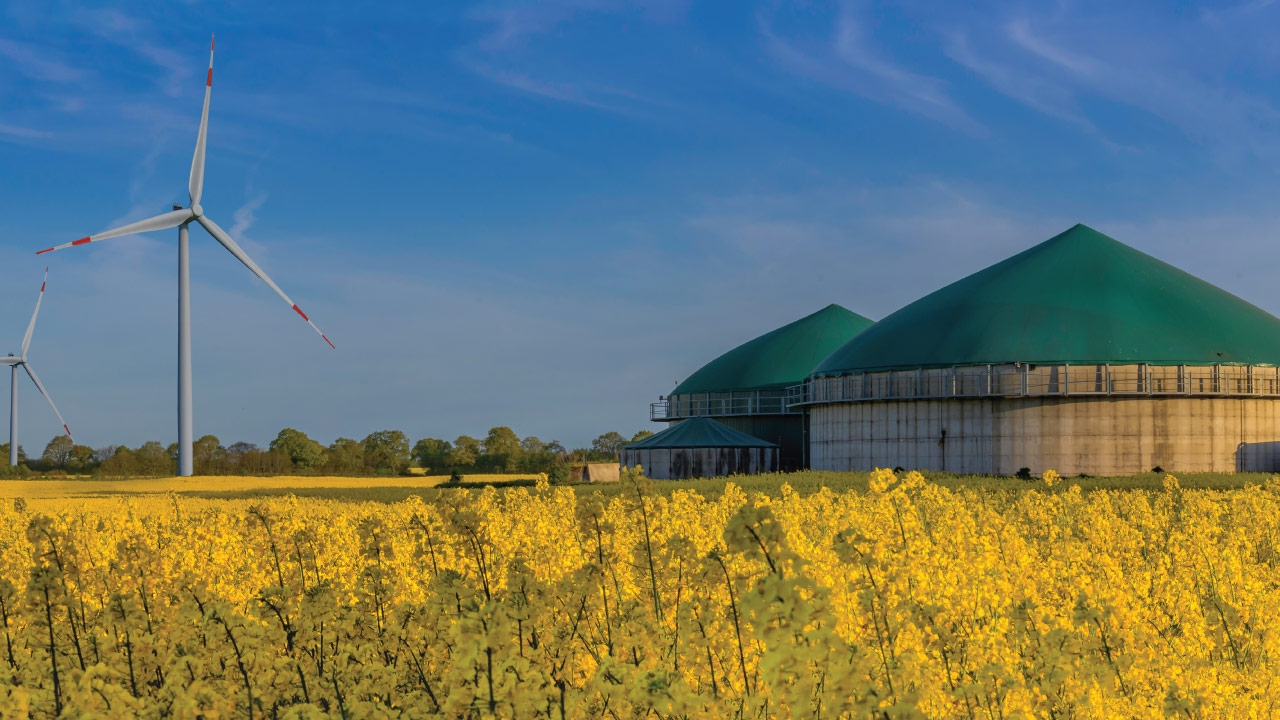
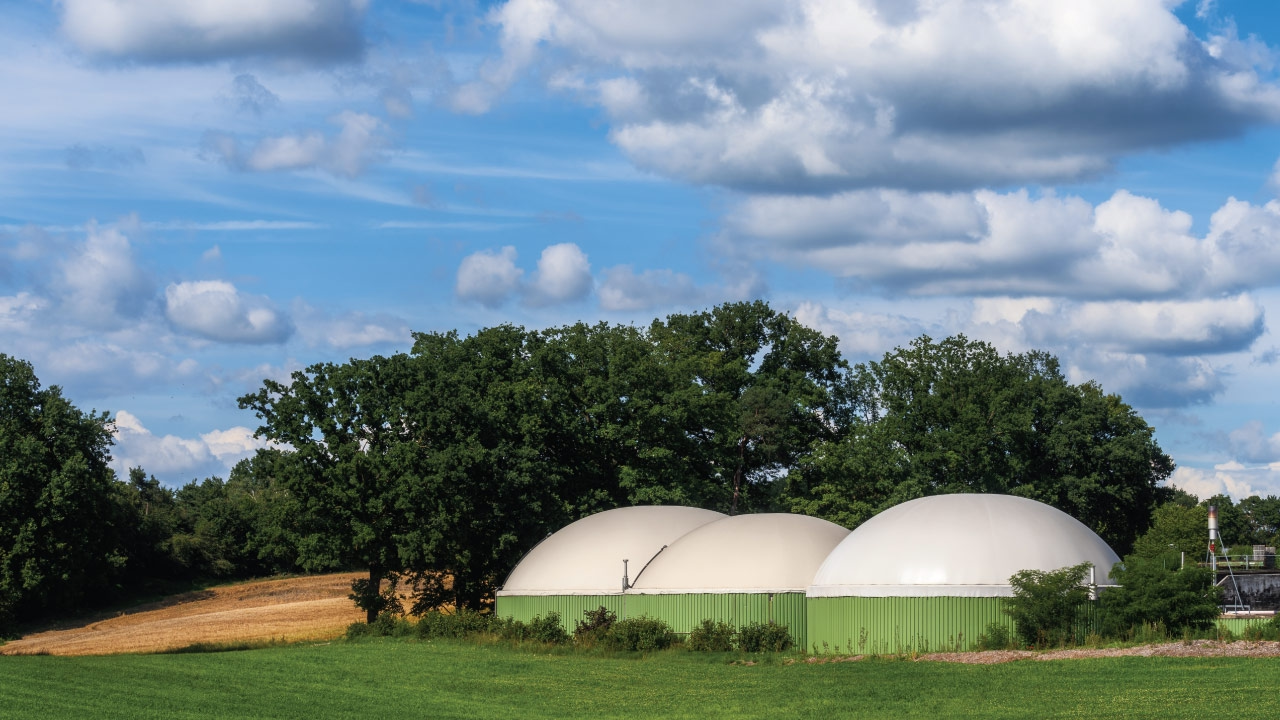
The credits are retired against registered climate projects: biogas and biomass on farms, forest restoration and REDD+, wind, solar, hydro and bio-based construction. The list below is read straight from the IMPT project register.
Descriptions come from the register itself and are published in English. Projects in India are shown first; the rest are in the app.

Buy or gift verified offsets
You do not have to book a room to fund a tonne. Both vouchers live in the IMPT app.
Worth knowing: the offset on a booking is funded by the booking. The vouchers are a separate thing you can buy or give away; a stay does not need one.
Carbon in Pune: questions
What is the carbon footprint of a flight to Pune?
A domestic flight from Delhi to Pune emits roughly 0.15 to 0.2 tonnes of CO₂ per passenger. IMPT offsets one tonne per hotel booking, which covers that flight plus a stay.
Does the Pune Metro use renewable energy?
Maha-Metro has installed solar panels at some stations. Check the current share of renewable energy in the Metro's power supply on the Maha-Metro website.
How does the monsoon affect carbon emissions in Pune?
Heavy rain reduces the need for air conditioning, lowering electricity demand. However, flooding can disrupt transport, increasing congestion and idling vehicle emissions. Check local advisories during the monsoon.
Are the Western Ghats a carbon sink?
Yes, the forests of the Western Ghats store carbon in their biomass and soil. Protecting them from deforestation is critical for climate regulation. Visiting responsibly helps preserve their role.
What is the carbon impact of Ganeshotsav?
The festival generates emissions from transport, idol materials and decorations. Eco-friendly clay idols and natural colours reduce the impact. Support organisers who use them.
Can a visitor offset a trip to Pune?
Yes, verified carbon offsets can be bought from reputable providers. IMPT includes one tonne per hotel booking, reported for each trip, so separate arrangements are not needed.
How does water conservation help reduce carbon?
Pumping, treating and heating water requires energy. Using less water reduces energy demand and the associated emissions. Short showers and reusing towels help conserve water.
What is the carbon footprint of a train from Mumbai to Pune?
The Deccan Queen express emits roughly 5 to 10 kg of CO₂ per passenger for the 3-hour journey, far less than a car or flight. Check current schedules.
Are there electric buses in Pune?
Yes, PMPML operates a growing fleet of electric buses. Check the current routes and schedules on the PMPML website or app for the latest information.
Sources: IMPT project register (platform.impt.io); UNESCO World Heritage Centre (Western Ghats, 2012), Maha-Metro, India Meteorological Department. Editorial review: 5 November 2026.
Book a room, fund a tonne
Photo credits: Photo on Pexels.