Staying in Sinhagad Road, Pune
Sinhagad Road runs south-west from the old city towards Khadakwasla and Sinhagad fort. It is a residential corridor with growing infrastructure, suited to travellers who prefer a local pace.

What the area is like
Sinhagad Road is a long arterial road that leaves Pune towards the south-west, passing through dense residential neighbourhoods before opening into greener, hillier terrain. The stretch near the city end is busy with shops, offices and apartment complexes. Further out, the road narrows and climbs gently towards Khadakwasla dam and the fort. The area is less touristic than Koregaon Park or Camp. You will see daily life: local markets, street vendors, and families commuting to work. The pace is slower in the evenings, especially away from the main junctions. Air quality is generally better than in central Pune, and the proximity to Parvati Hill and the garden gives easy access to open spaces.
The road has a mix of older bungalows and newer apartment blocks, reflecting Pune's expansion. Side lanes lead to smaller residential colonies and a few temples. During Ganeshotsav, the area sees local processions and decorations. The monsoon transforms the surroundings, with greenery visible from the road. The atmosphere is practical and unpretentious, suitable for travellers who want to experience a part of Pune that is not geared primarily to tourists. The main road has basic amenities such as pharmacies, grocery stores, and ATMs within walking distance of most hotels.
Who it suits
Sinhagad Road suits travellers who want a quieter base without being far from the old city. It works well for those visiting relatives in south Pune, attending events at nearby colleges, or exploring forts like Sinhagad and Rajgad. The area is also convenient for business travellers working in the southern industrial zones. It is less ideal for first-time visitors who want to walk to major sights. Most attractions require a short drive or bus ride. Nightlife is limited, and the road can be congested during peak hours. Families and solo travellers who prefer a residential feel will find it comfortable.
The area is also a good choice for pilgrims visiting Parvati Hill or the Chaturshringi temple during Navratri. Students attending colleges in the southern part of Pune will find affordable accommodation. The lack of loud commercial entertainment means evenings are quiet. Travellers who enjoy morning walks or jogs will appreciate the relative calm of the side roads. For those on a budget, the area offers good value compared to central Pune. The trade-off is convenience: you will need to plan transport for most outings.
Getting around
Pune Junction railway station is about 8 km away, a 20- to 30-minute drive depending on traffic. Swargate bus stand is closer, at roughly 5 km, and serves long-distance and suburban buses. The airport is 15.6 km straight-line, about 40 minutes by car in normal conditions; allow more time during peak hours. Public transport on Sinhagad Road includes city buses run by PMPML. Auto-rickshaws are plentiful near main junctions, but negotiate the fare before boarding. Ride-hailing apps operate widely. The nearest metro station is at Swargate on the Purple Line, about 5 km away; check the current network for extensions.
For day trips to Sinhagad fort, you can hire a taxi for the day or take a bus from Swargate to the base. The road to the fort is winding and scenic, especially in the monsoon. If you are driving, note that parking near the fort is limited on weekends. For local errands, walking is feasible on the quieter stretches, but the main road is busy and lacks continuous footpaths. Bicycles are not common, but some hotels may arrange a cycle for short rides. Always confirm the fare before getting into an auto-rickshaw.
- Use ride-hailing apps for airport transfers; they are reliable and avoid haggling.
- Buses from Swargate connect to most parts of the city; check schedules online.
- Walking is pleasant on quieter stretches, but carry water in summer.
What is nearby
Within 4 km are two notable sights. The Pu La Deshpande garden, also called the Okayama Friendship Garden, is a Japanese-style landscaped garden with water features and walking paths. It is a calm spot for an afternoon stroll. Parvati Hill, at 3.5 km, offers Peshwa-era temples and a long stone stairway; the view from the top covers much of the city. The climb is manageable for most fitness levels. Further afield, Shaniwar Wada is about 6 km away, and the old city's markets are a short drive. Sinhagad fort itself is roughly 35 km from the city centre, but the road from Sinhagad Road leads directly there, making it a convenient day trip.
Khadakwasla dam, about 12 km further along the same road, is a popular picnic spot with a reservoir and surrounding hills. The area is good for birdwatching in winter. The National Defence Academy (NDA) is located nearby, though it is not open to the public. Several small temples and shrines dot the road, and the hills around offer short trekking routes. For shopping, the main road has basic retail, but for a wider selection, head to the markets in Camp or Deccan Gymkhana. The proximity to open spaces is one of the area's main advantages.
Eating on Sinhagad Road
The food scene is local and practical. You will find small eateries serving misal pav, vada pav, and thali meals. Many are open only during meal times. Bakeries and sweet shops offer bakarwadi and Shrewsbury biscuits. Irani cafés are less common here than in Camp, but a few exist. For a fuller meal, look for family-run restaurants serving Maharashtrian and South Indian food. Mastani, a thick milkshake with ice cream, is a local speciality available at many juice bars. Street food is safe if you choose busy stalls with high turnover. Vegetarian options dominate, but non-vegetarian dishes are available.
Breakfast options include poha, upma, and idli at small stalls. Lunch is typically a thali with rice, dal, vegetables, and chapati. In the evenings, bhajiya (fritters) and chai are common. Many eateries close by 10 pm, so plan dinner accordingly. The area has a few sweet shops that sell traditional Maharashtrian sweets like modak and pedha. For a quick snack, try a vada pav from a roadside vendor. The food is generally affordable, and portions are generous. Carry cash for small eateries; many do not accept cards or digital payments.
- Try misal pav for breakfast; it is spicy and filling.
- Ask for 'kadak' (hard) or 'normal' Shrewsbury biscuits at bakeries.
- Mastani is best had fresh; avoid pre-made ones.
Safety and practical tips
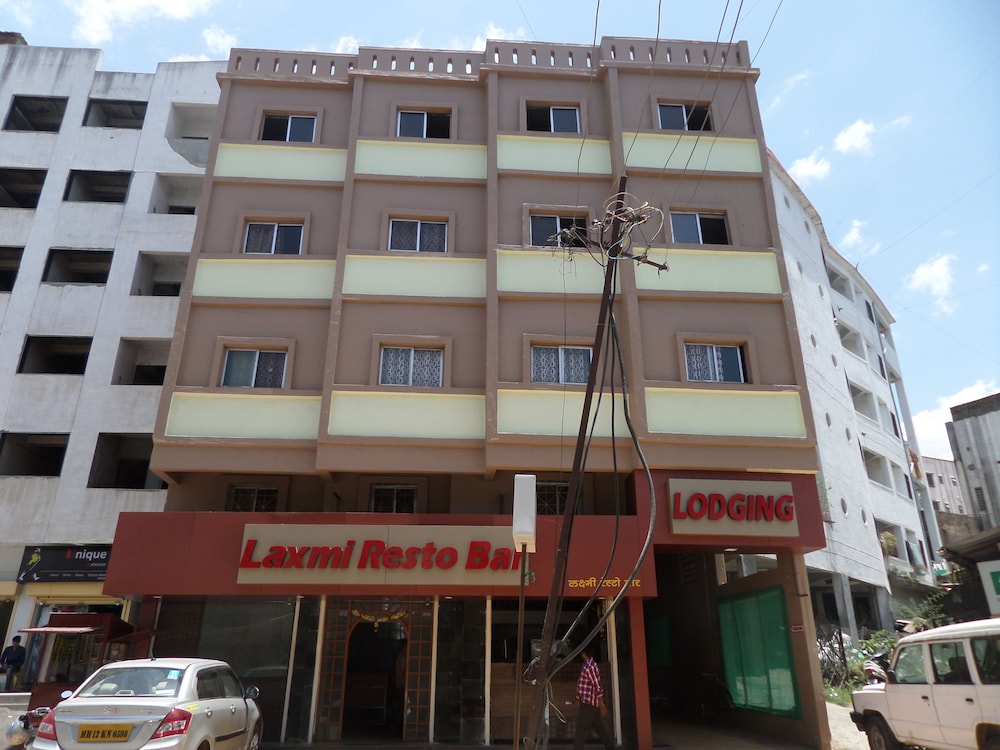
Sinhagad Road is generally safe during the day. At night, stick to well-lit main roads and use registered transport. The area has a mix of old and new buildings; check that your hotel has clear signage and a working intercom. Monsoon months bring heavy rain, and some low-lying stretches may flood briefly. Keep valuables in the hotel safe. When travelling to forts, wear sturdy shoes and carry water. Mobile network coverage is good on the main road but may be patchy in the hills. Always confirm your hotel's exact location, as some properties are tucked into lanes off the main road.
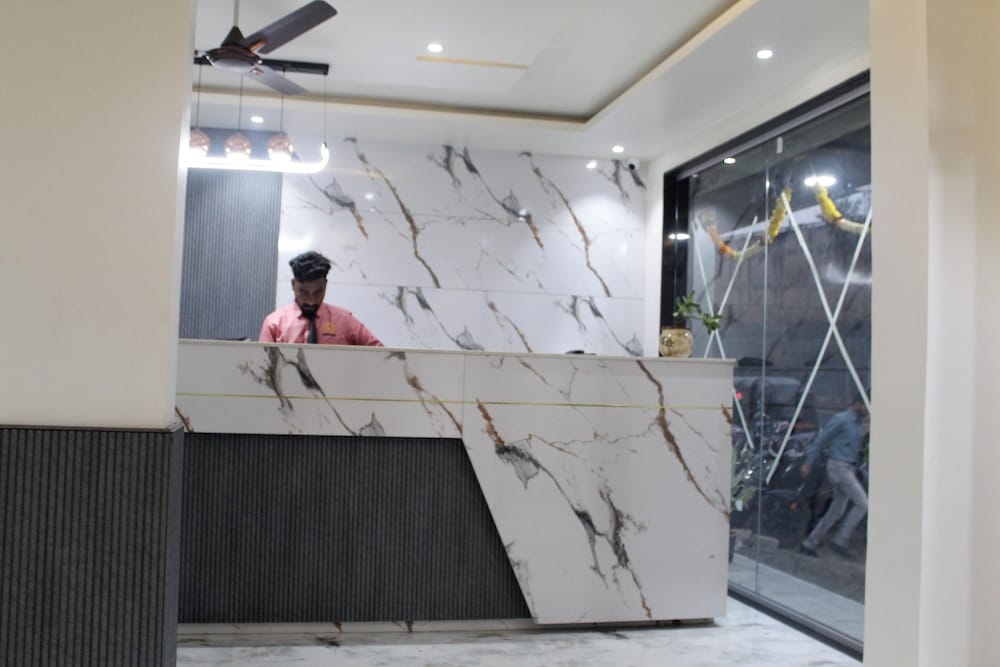
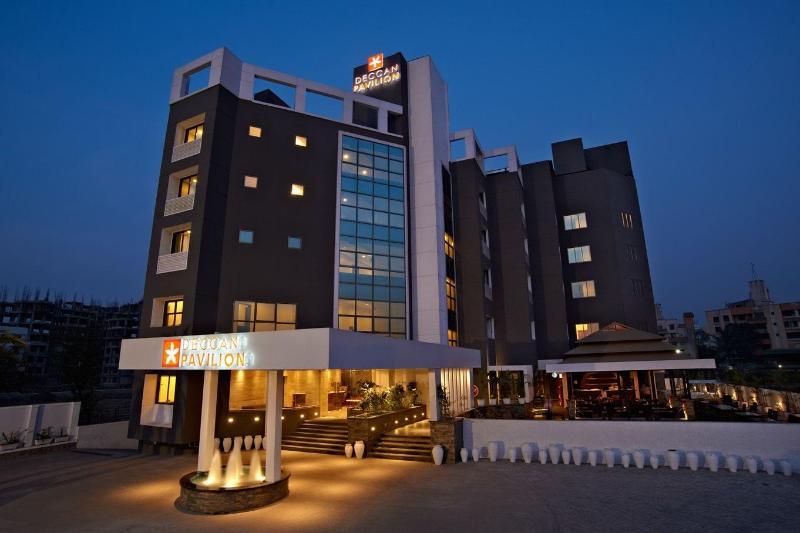
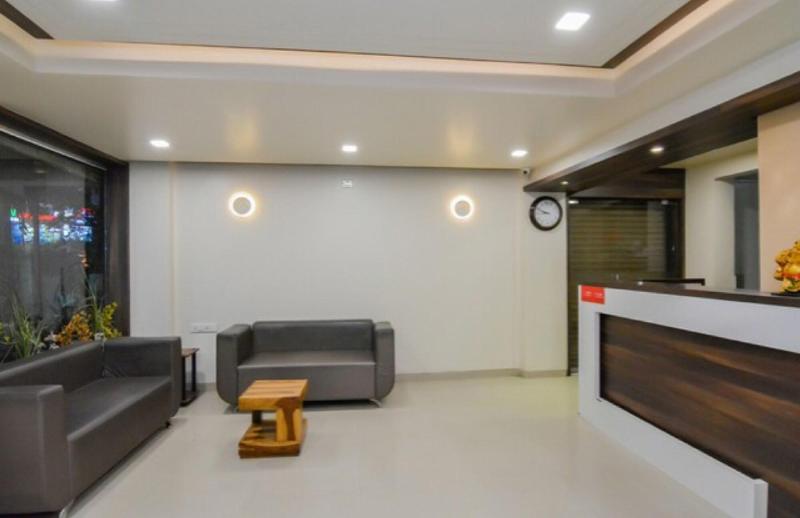
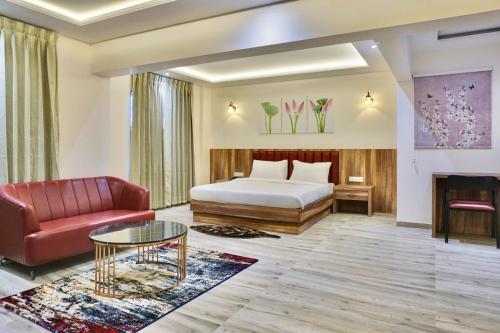
For choosing a hotel, consider the distance from the main road. Properties on the main road are noisier but more convenient. Those in side lanes are quieter but may require a short walk to reach transport. Check if the hotel provides parking if you are driving. Read recent reviews for cleanliness and water availability. During Ganeshotsav and Diwali, book well in advance. Ask about the hotel's policy on late check-in if you arrive at night. Most hotels on Sinhagad Road are small and locally run; expect basic amenities rather than luxury.
- Share your live location with someone when returning late.
- Use hotel-recommended taxis for early morning airport trips.
- Check weather forecasts before heading to Sinhagad fort; trails get slippery.