Pimpri-Chinchwad: The Industrial Twin City
Pimpri-Chinchwad is Pune's industrial twin city in the north-west, governed by its own municipal corporation. It includes Wakad, Bhosari, Nigdi and Akurdi.

Character of the Zone
Pimpri-Chinchwad is a self-contained industrial city that grew around manufacturing plants and the old Mumbai–Pune road. Its character is utilitarian and fast-growing, with broad roads, factory gates, and residential colonies built for workers and professionals. The twin city has its own municipal corporation, separate from Pune Municipal Corporation, and a distinct identity shaped by the MIDC (Maharashtra Industrial Development Corporation) belt. Unlike central Pune's historic lanes, Pimpri-Chinchwad feels newer and more spread out. The landscape is a mix of mid-rise apartment blocks, industrial estates, and commercial strips along the highway. The pace is busy but less congested than the core city, though traffic on the main roads can be heavy during peak hours.
The zone has a strong industrial base with automotive, engineering and pharmaceutical plants. Residential areas are planned with wide roads and parks, especially in Nigdi and Akurdi. The Mumbai–Pune Expressway and the old highway pass through the zone, making it a transit corridor. This location attracts businesses and commuters who work in Hinjewadi or travel frequently to Mumbai. The population is a mix of long-term residents and newer arrivals from other parts of India, giving the area a practical, work-oriented atmosphere.
- The zone has a strong industrial base with automotive, engineering and pharmaceutical plants.
- Residential areas are planned with wide roads and parks, especially in Nigdi and Akurdi.
- The Mumbai–Pune Expressway and the old highway pass through the zone, making it a transit corridor.
How Neighbourhoods Differ
Wakad, in the south-west, is the fastest-growing area, adjacent to Hinjewadi's IT park. It has many new apartment complexes and commercial centres, attracting software professionals. Pimpri and Chinchwad form the historical core along the old Mumbai–Pune road and the railway line, with older markets, bus stands, and the PCMC headquarters. Bhosari, north of the airport road, is the heart of the MIDC industrial belt. It has large factories, worker housing, and a functional feel. Nigdi and Akurdi, at the northern end, are more residential and laid-back, with green spaces and the Bhakti Shakti monument.
Each neighbourhood has its own market area and local transport hubs. Wakad has a young, working population and many restaurants and cafes. Pimpri and Chinchwad have the busiest commercial and government activity. Bhosari is dominated by industrial estates and has fewer leisure options. Nigdi and Akurdi are quieter, with more parks and family housing. Choosing where to stay depends on purpose: proximity to work, access to the expressway, or a calmer residential environment.
- Wakad has a young, working population and many restaurants and cafes.
- Pimpri and Chinchwad have the busiest commercial and government activity.
- Bhosari is dominated by industrial estates and has fewer leisure options.
- Nigdi and Akurdi are quieter, with more parks and family housing.
Getting Around and Distances
Pimpri-Chinchwad is well connected by road and rail. The Mumbai–Pune Expressway passes through the zone, and the old Mumbai–Pune road (NH 48) runs through Pimpri and Chinchwad. Pune Metro's Purple Line runs from PCMC (Pimpri) through Shivajinagar to Swargate, providing a direct link to central Pune. Check the current network for station locations and timings. Local buses operated by PMPML connect neighbourhoods within the zone and to Pune city. Auto-rickshaws are common for short trips.
The distance from Wakad to Hinjewadi is short, about 5 km. From Pimpri to Pune Junction is about 12 km. The airport at Lohegaon is roughly 15 km from Pimpri, depending on traffic. Travel times vary significantly with traffic conditions, especially on the old highway and near industrial zones. The Metro is the most reliable option for reaching central Pune, as road travel can be unpredictable during peak hours. For journeys to Mumbai, the expressway offers a direct route of about 3 hours.
Sights Nearby
Pimpri-Chinchwad has few heritage sights within its boundaries. The Bhakti Shakti monument in Nigdi is a modern landmark commemorating the 1971 Indo-Pak war. The PCMC garden and the nearby riverfront along the Pavana river offer walking paths. For temples, the Chaturshringi temple on the hill near the boundary with Pune is a popular spot. The zone's main appeal is its proximity to other attractions. Hinjewadi's IT park has a modern, landscaped environment. The forts of Sinhagad and Rajgad are about 30–40 km south-west.
Lonavala and Khandala hill stations are about 40 km north-west, reachable via the expressway. The Karla and Bhaja Buddhist caves are near Lonavala. These day trips are easily accessible from Pimpri-Chinchwad, making it a convenient base for exploring the Western Ghats. The Bhakti Shakti monument includes a small museum with military memorabilia. The Pavana riverfront has a promenade and gardens for evening walks. Chaturshringi temple is a hilltop temple with city views. Sinhagad fort is about 1 hour by road from Pimpri.
- Bhakti Shakti monument in Nigdi is a war memorial with a small museum.
- Pavana riverfront has a promenade and gardens for evening walks.
- Chaturshringi temple is a hilltop temple with city views.
- Sinhagad fort is about 1 hour by road from Pimpri.
Who Should Stay Here and Practical Tips
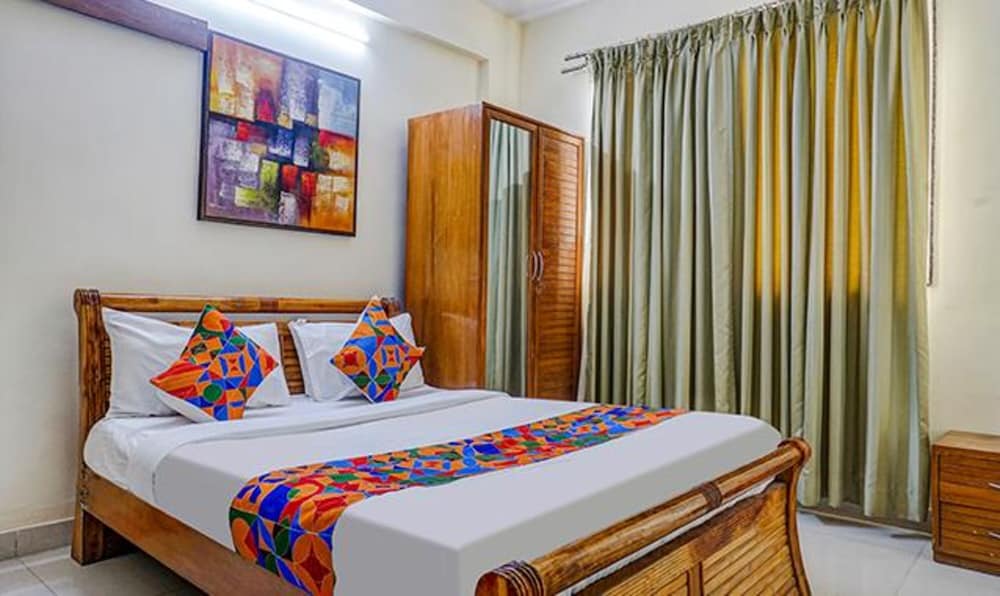
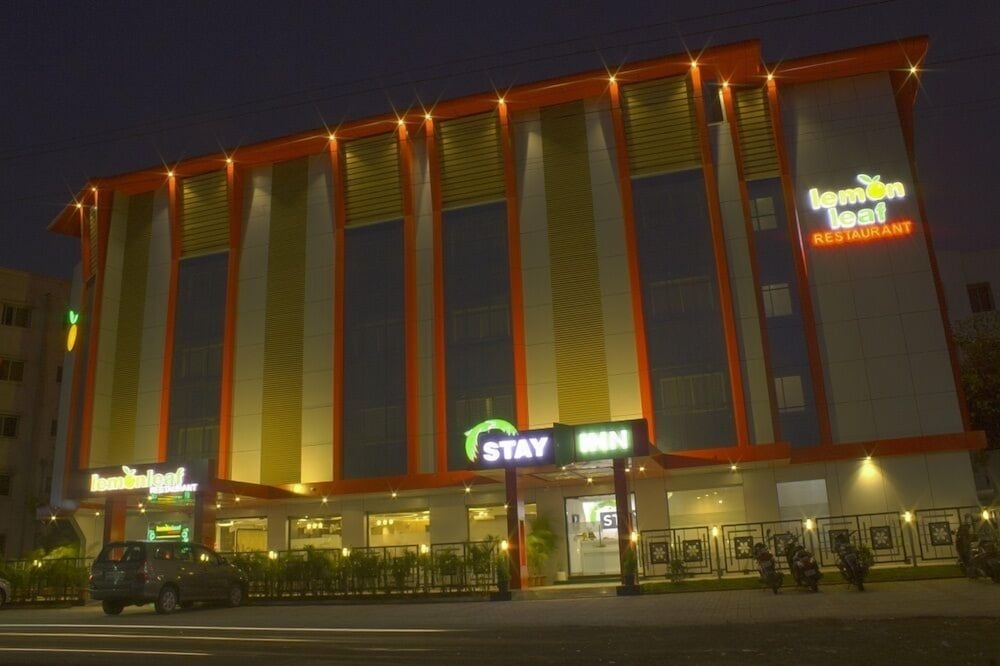
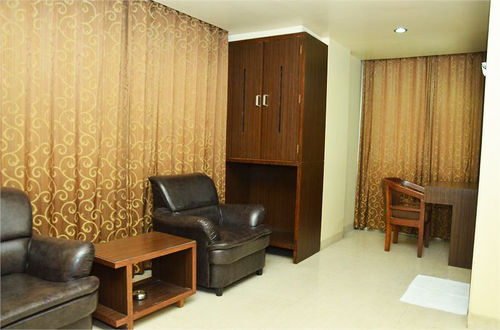
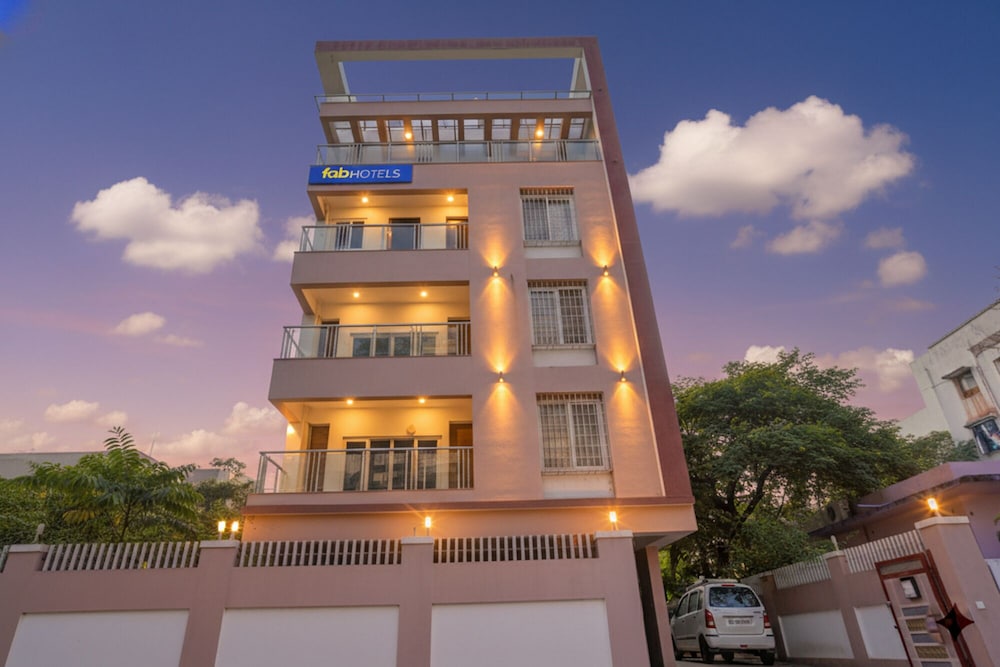
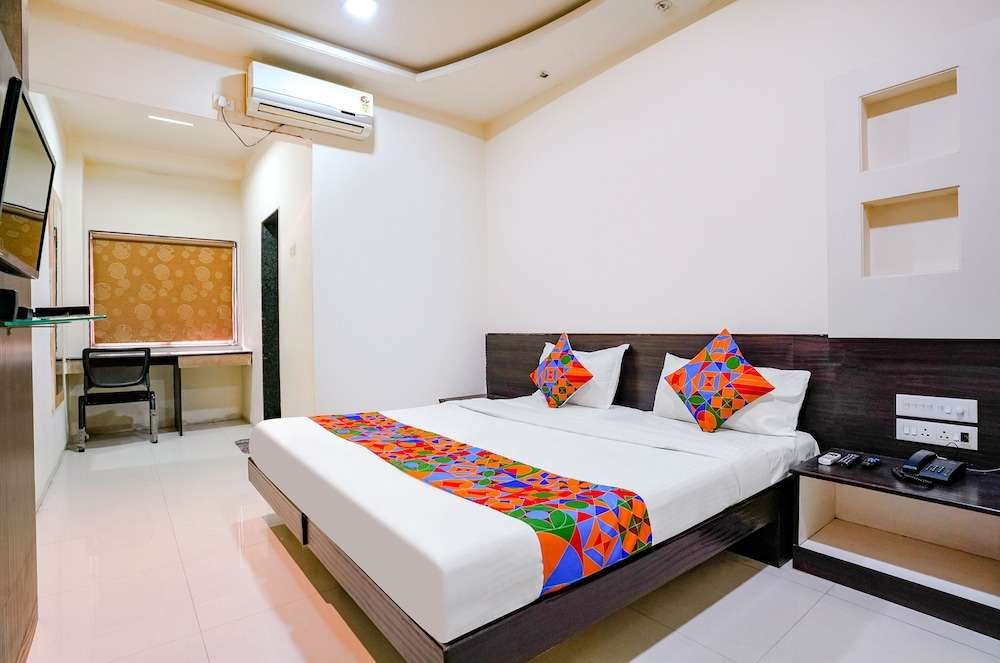
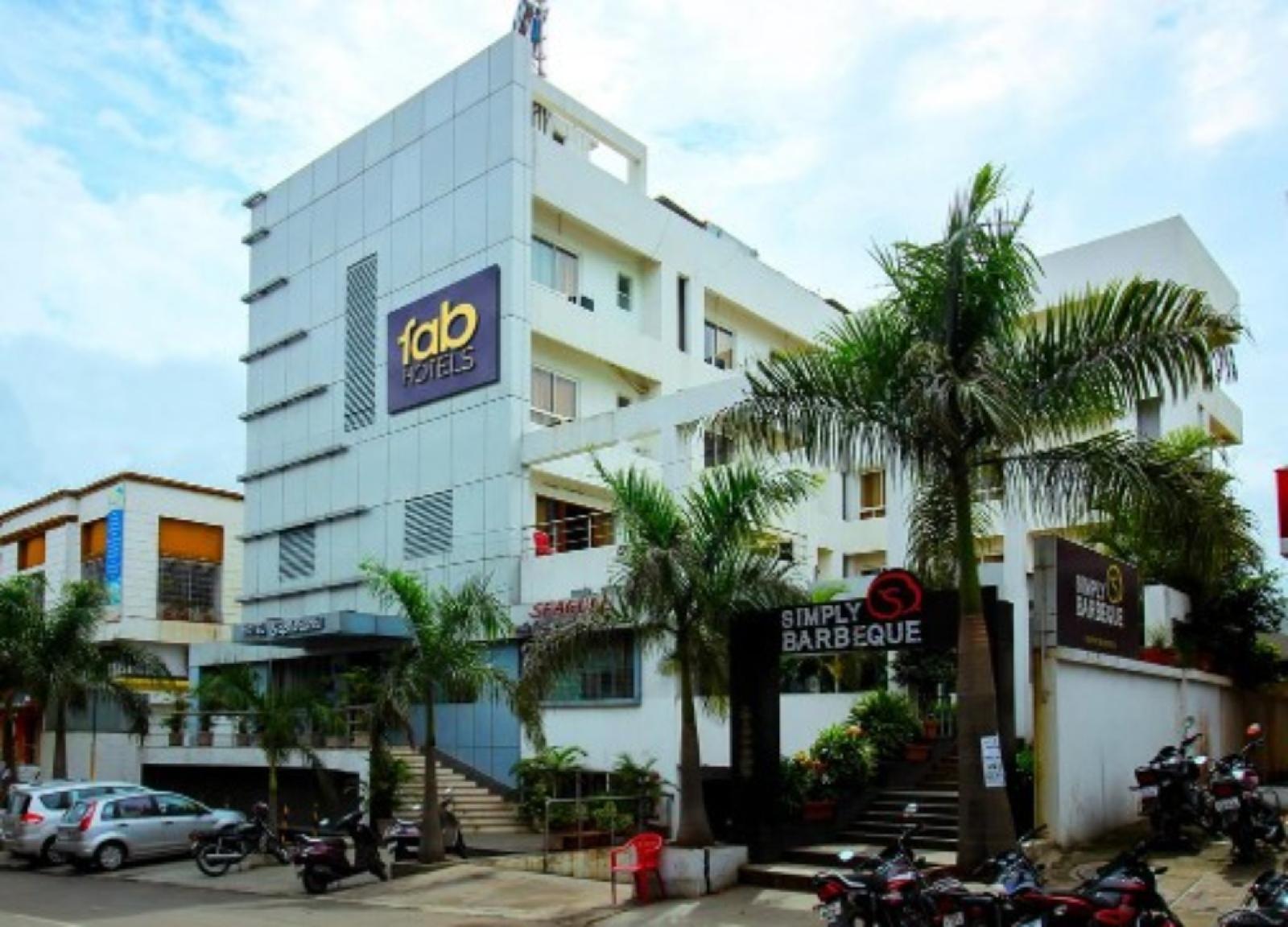
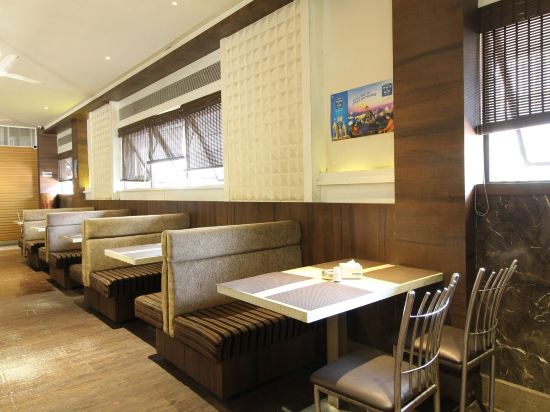
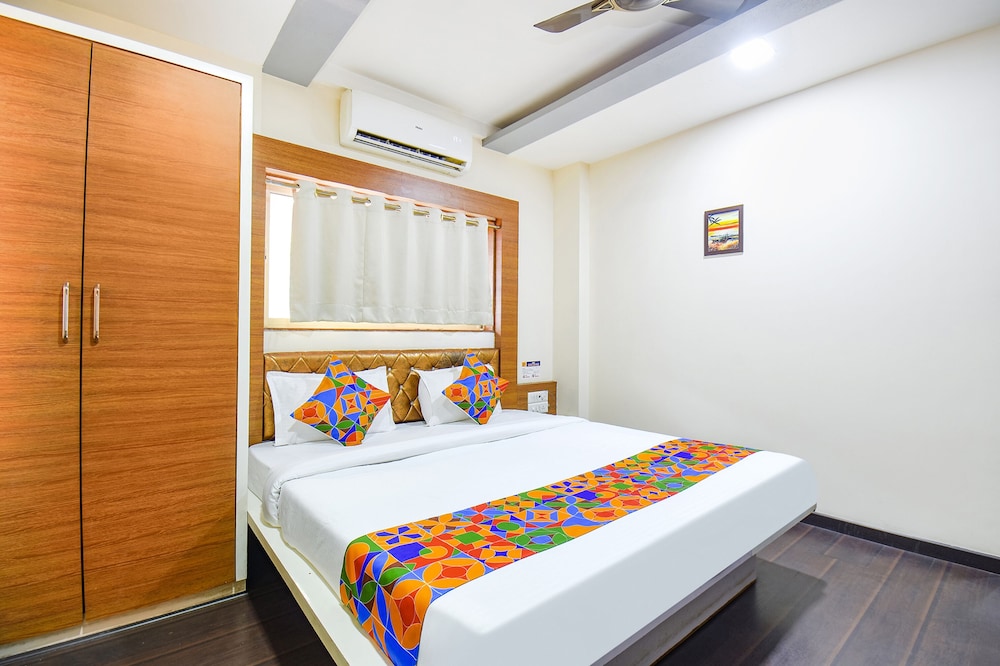
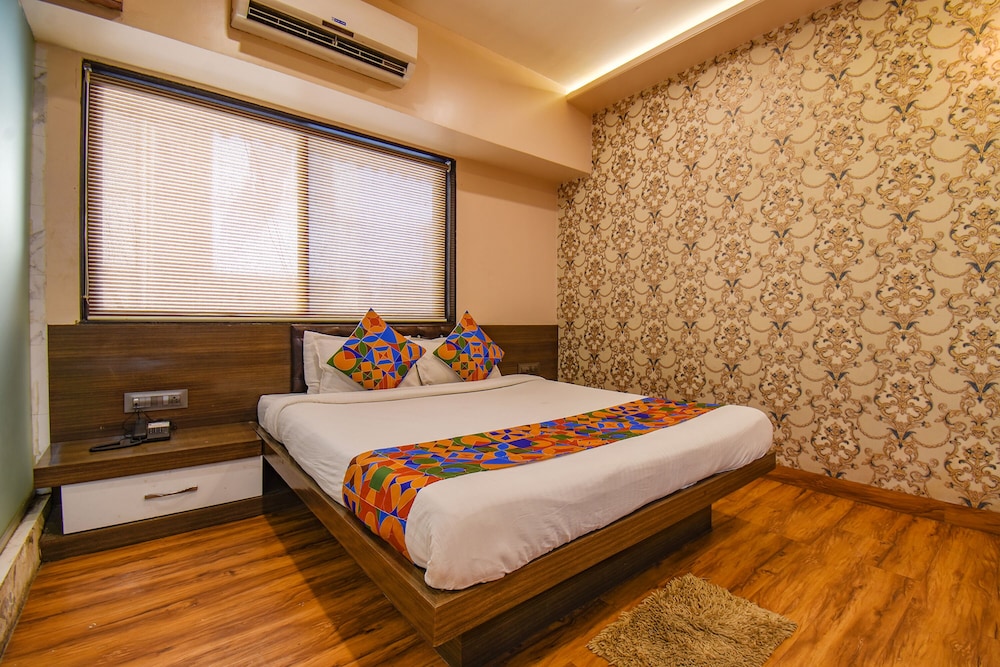
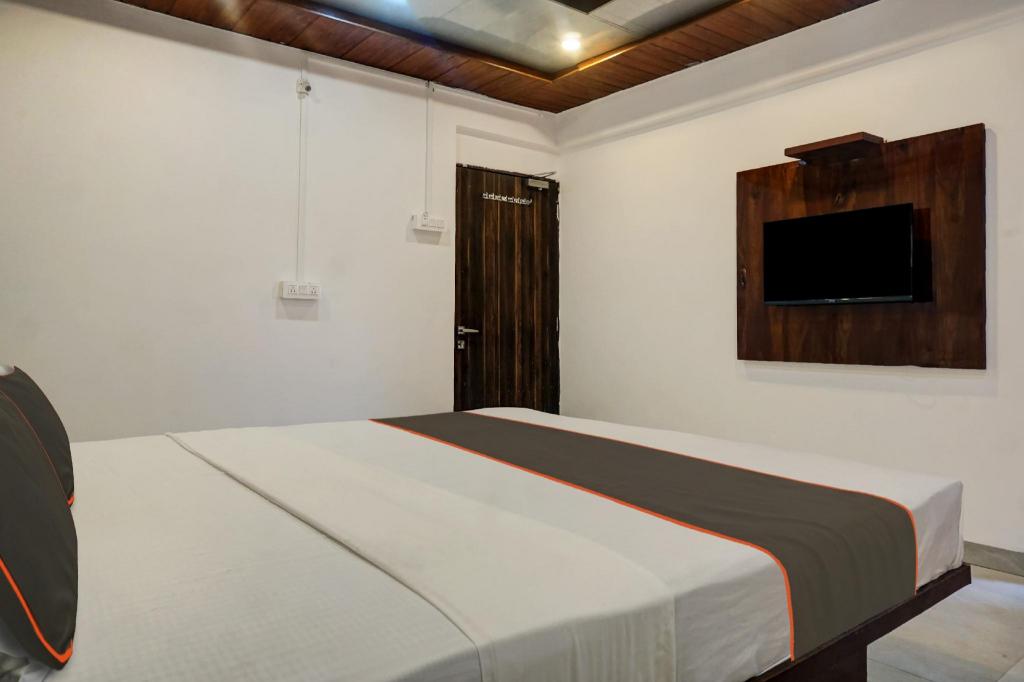
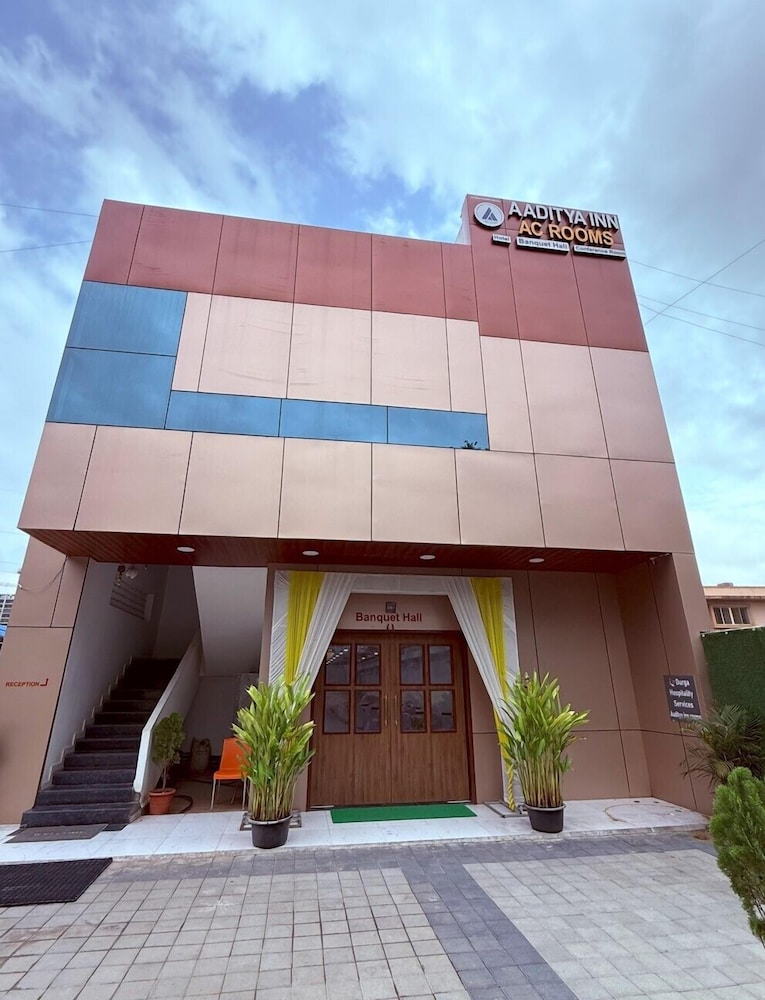
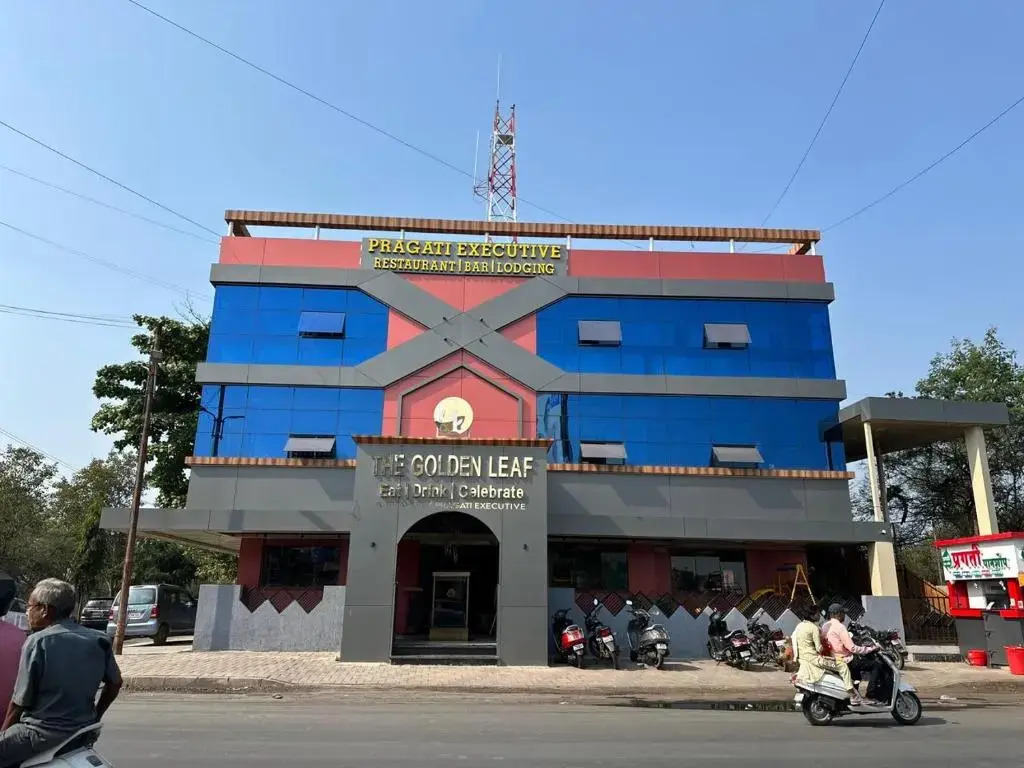
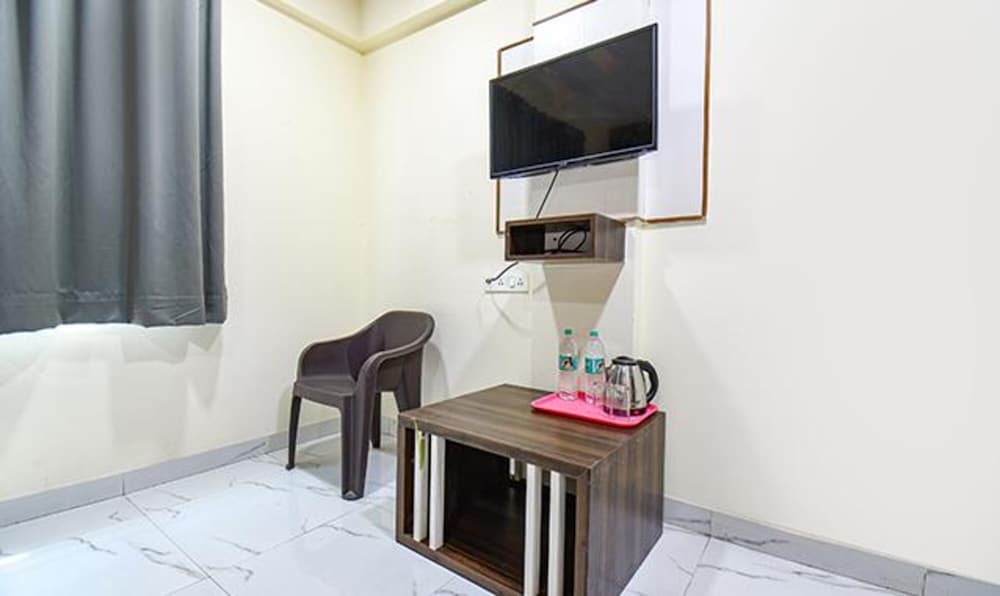
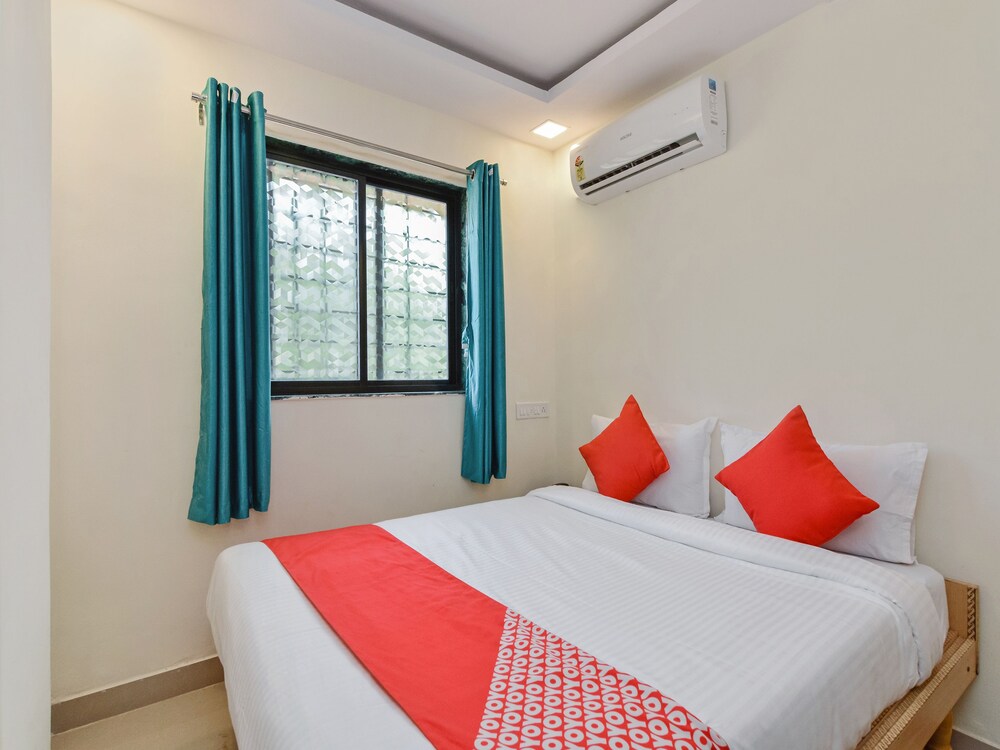
Pimpri-Chinchwad suits travellers who need to be near Hinjewadi, the industrial estates, or the expressway for onward travel to Mumbai. It is less suitable for tourists interested in Pune's historic core. Business travellers, engineers, and those visiting factories or IT companies will find it convenient. The zone has many hotels and service apartments. Practical tips: carry cash, as smaller shops and auto-rickshaws may not accept cards. The area is generally safe, but avoid isolated industrial stretches at night.
Monsoon (June to September) brings heavy rain, so carry an umbrella. For food, try the local misal pav and vada pav at roadside stalls. Check visa rules before travel; most foreign visitors need an e-Visa. The best time to visit is from October to February, when the weather is dry and mild. Book accommodation in advance during the Ganeshotsav festival (August–September) when demand spikes. The zone has good connectivity to Mumbai and Pune, making it a practical base for regional travel.