Staying in Bhosari, Pune
Bhosari is an industrial belt in Pimpri-Chinchwad, suited for business visitors. It offers practical stays near the MIDC area.

What the area is like
Bhosari is a dense industrial and residential suburb in Pimpri-Chinchwad, north of the airport road. It is part of the MIDC belt, with factories, warehouses and worker housing. The area has a practical, no-nonsense character, with wide main roads and narrow inner lanes. Traffic is heavy during shift changes and weekday commutes. The air quality can be variable due to industrial activity, especially near the main industrial estates. Local markets sell everyday necessities, and the streets are busy with two-wheelers and auto-rickshaws during the day.
The neighbourhood is not a tourist destination. It lacks the parks, cafés and heritage of central Pune. Visitors here are usually on business related to the industrial units, automotive plants or logistics firms. The atmosphere is functional, with local markets, small eateries and basic services. Nightlife is absent; the area quiets down after 9 pm. However, during the Ganeshotsav festival, the streets come alive with local celebrations and processions, offering a glimpse of community life.
Who it suits
Bhosari suits business travellers, engineers, technicians and sales representatives visiting the MIDC factories. It is also convenient for those working in the Pimpri-Chinchwad industrial corridor. The area offers straightforward accommodation without frills, ideal for short stays focused on work. Budget-conscious solo travellers on work assignments will find it adequate for their needs.
It does not suit tourists, families on holiday or those seeking culture or nightlife. The lack of attractions, green spaces and pedestrian-friendly streets makes it a poor choice for leisure travel. If you are visiting Pune for sightseeing, choose a hotel in Koregaon Park, the city centre or near the old city instead. Bhosari is best left for those with a specific purpose in the industrial belt.
Getting around
Bhosari is car-dependent. Auto-rickshaws are plentiful on main roads; negotiate the fare before starting. Ride-hailing apps operate in the area. Buses run along the Mumbai–Pune highway and Old Pune–Mumbai Road, but frequency drops in the evenings. The nearest Pune Metro stop is at Pimpri on the Purple Line, about 5 km south. From Pimpri, you can reach Shivajinagar, the district court and Swargate without traffic delays.
Walking is not practical for distances beyond a few hundred metres. Footpaths are uneven or missing on side roads. For trips to the airport, station or city centre, allow extra time during peak hours (8–10 am and 5–8 pm). The Mumbai–Pune highway can jam at the Bhosari toll plaza. Consider using the metro from Pimpri for journeys to central Pune, as it bypasses road congestion entirely.
- Auto-rickshaws are the main local transport; agree on the fare upfront.
- Ride-hailing apps are available but may have longer wait times in off-peak hours.
- The nearest metro station is Pimpri on the Purple Line, about 5 km south.
- Buses from PMPML connect Bhosari to Swargate and Pune Station, but schedules vary.
To the airport and station
Pune International Airport is about 9 km straight-line distance, roughly 25–40 minutes by road depending on traffic. The route goes via the airport road and the Bhosari–Viman Nagar link. Auto-rickshaws and taxis are available; ride-hailing apps are a reliable option. Allow an hour during peak times. The airport has a single terminal; check in online to save time at the counter.
Pune Junction railway station is about 12 km away, a 30–50 minute drive via the Old Pune–Mumbai Road. Shivajinagar station is slightly closer for local trains to Lonavala. For long-distance trains, use Pune Junction. Swargate bus station is 14 km away, reachable by direct bus or auto. For early departures, pre-book a taxi the night before, as public transport is sparse before 6 am.
Eating in Bhosari
Bhosari's food scene is local and practical. Small eateries and stalls serve Maharashtrian staples: misal pav, vada pav, poha and bhaji. Lunch places offer thalis with roti, rice, dal and vegetable curry. Street food is common near bus stops and market areas. South Indian breakfast items like idli and dosa are available at a few morning stalls. The food is generally affordable and filling, catering to the working population.
Irani cafés and bakeries are rare here; for Shrewsbury biscuits or mastani, you need to go to Camp or central Pune. Dinner options are limited to basic restaurants serving North Indian, Chinese and Punjabi dishes. Many places close by 10 pm. Packed meals from local tiffin services are an option for longer stays. For more variety, travel to Pimpri or Chinchwad, about 10–15 minutes by auto, where you will find more restaurants and street food choices.
- Misal pav and vada pav are widely available from street stalls and small restaurants.
- Lunch thalis are common; look for places with a queue of local workers.
- Dinner options are limited; most eateries close by 10 pm.
- For variety, travel to Pimpri or Chinchwad, about 10–15 minutes by auto.
Safety and practical tips
Bhosari is generally safe, but standard precautions apply. Keep valuables out of sight, especially in crowded markets and at bus stops. Women travellers may face stares in quieter areas; dressing modestly helps. Streets are poorly lit in residential lanes after dark. Stick to main roads at night. Keep the number of a reliable auto driver saved, as late-evening autos are scarce and may overcharge.
Carry a power bank; power cuts occur occasionally. Drinking water from taps is not safe; use bottled or filtered water. Medical facilities include a few private clinics and the Yashwantrao Chavan Memorial Hospital in Pimpri. Pharmacies are common on main roads. Carry a basic first-aid kit for minor issues. The monsoon season (June to September) brings waterlogging on some roads; check the weather before heading out.
How to choose a hotel here
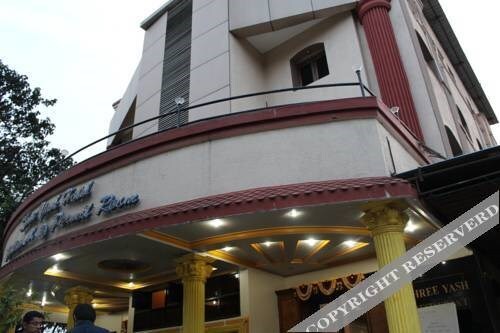
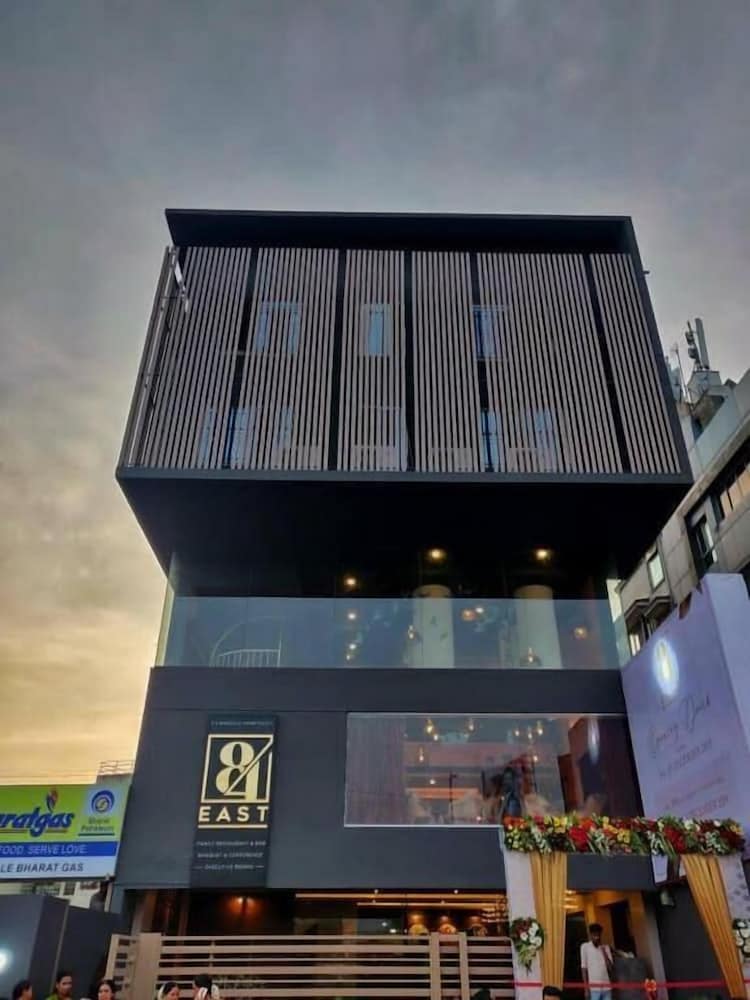
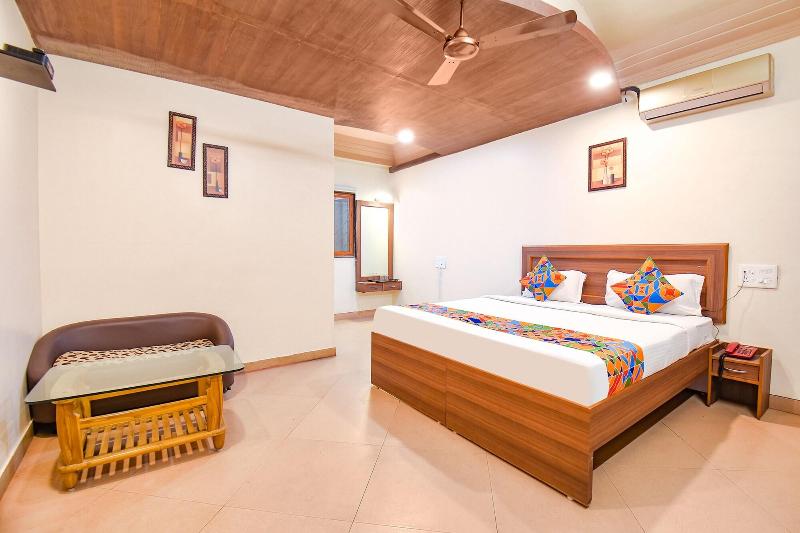
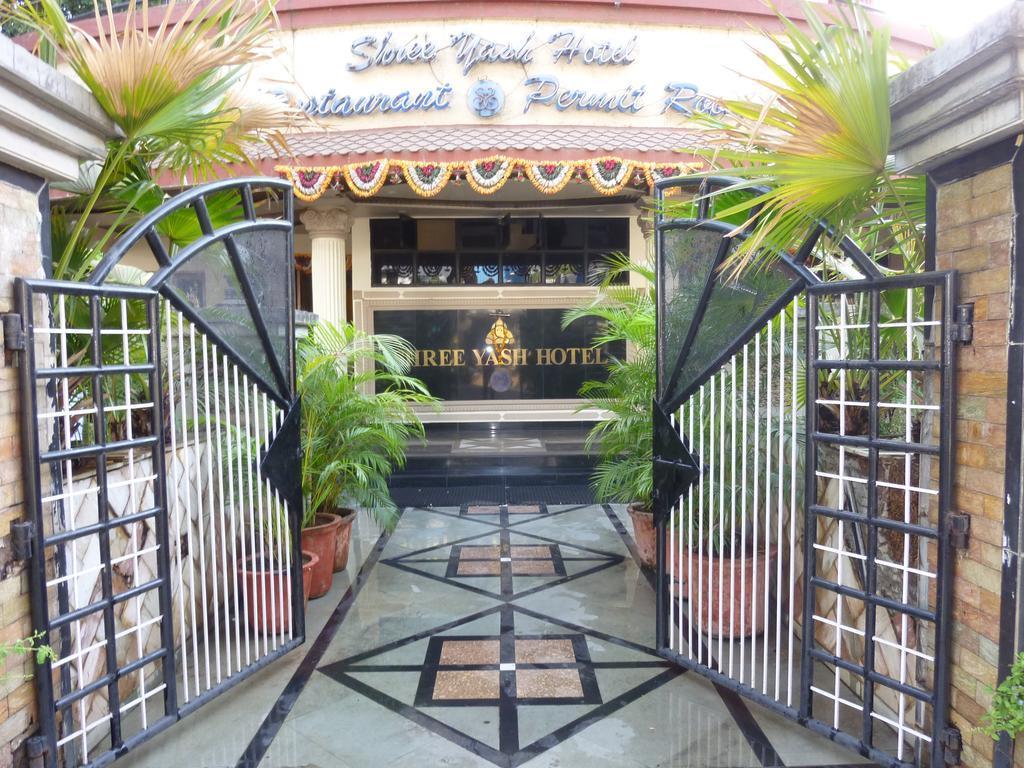
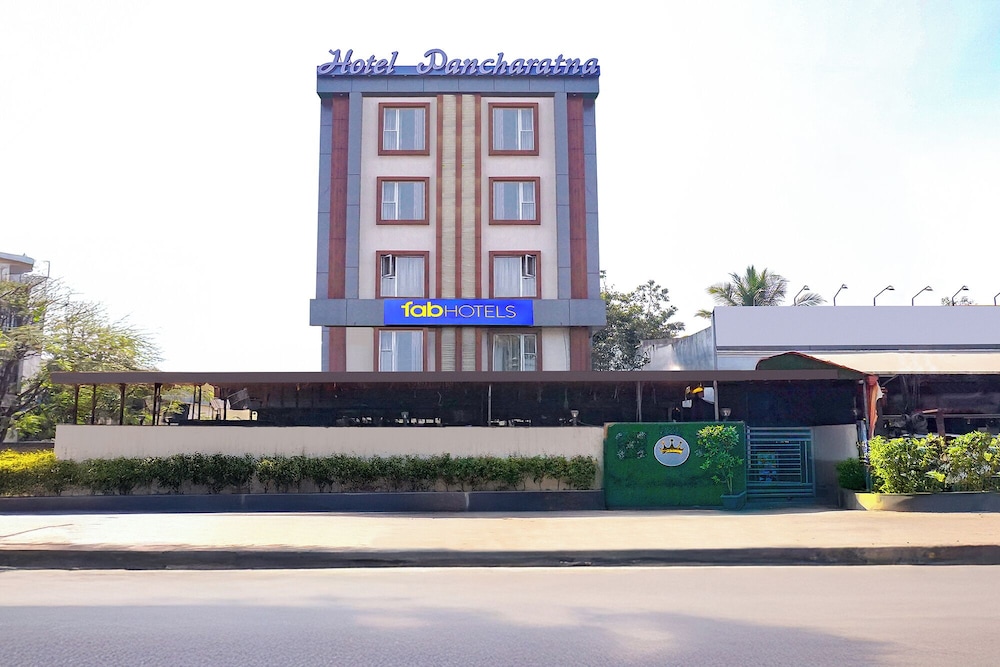
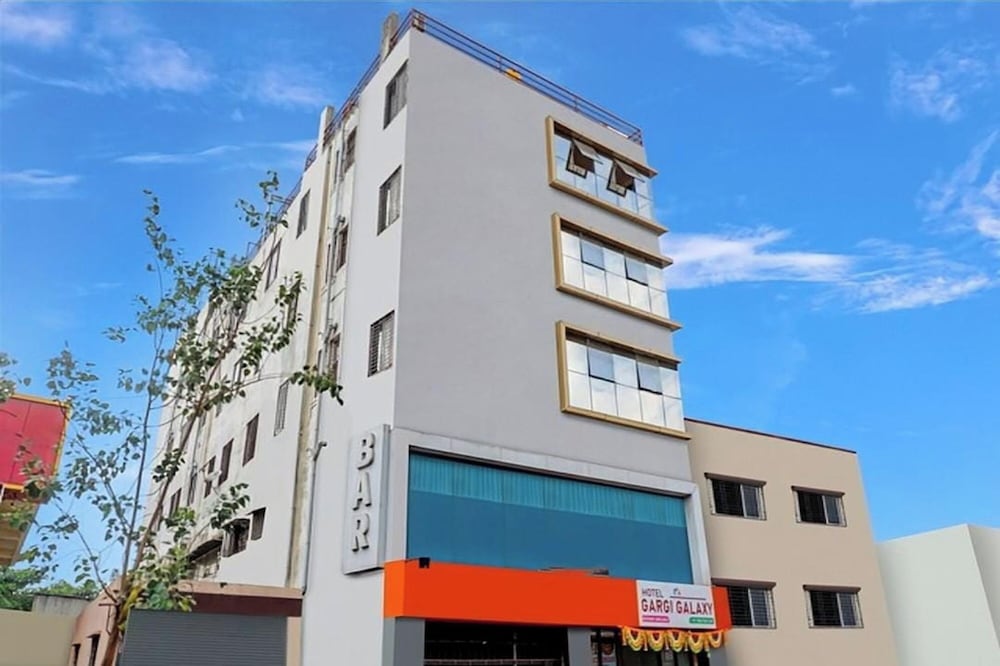
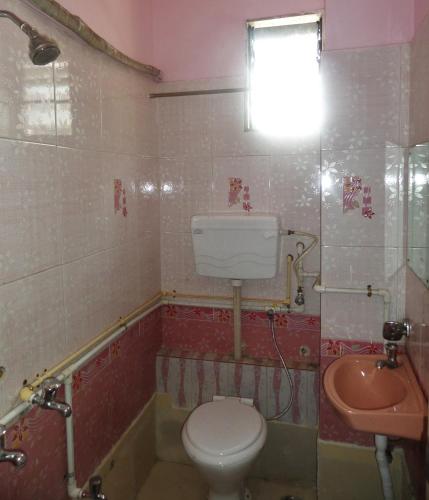
Hotels in Bhosari are mostly budget to mid-range, targeting business travellers. Look for properties on or near the main roads (Old Pune–Mumbai Road, Mumbai–Pune highway) for better access and security. Check if the hotel has parking if you have a vehicle. Many hotels offer hourly or day-rental rooms for shift workers. Read recent reviews for cleanliness and noise levels, as rooms facing the main road can be loud.
Air conditioning is essential from March to May. Some hotels provide basic meals; confirm if a restaurant is on-site. For longer stays, serviced apartments are available but limited. Book in advance during industrial trade fairs or the festive season. Ask if the hotel provides a geyser for hot water, as winter mornings (December–January) are cool. Verify the check-in and check-out timings, as some budget hotels operate on a 24-hour cycle.