Pune to Vietnam: flights, entry and hotels
A direct guide for travellers from Pune to Vietnam. Covers flights from PNQ, entry rules, when to go, and practical tips for Hanoi and Ho Chi Minh City.
Getting there from Pune
Pune International Airport (PNQ) does not have direct flights to Vietnam. You will need to fly via a hub such as Singapore, Kuala Lumpur, Bangkok, or Delhi. The total journey, including the stopover, usually takes between 8 and 12 hours. Flight schedules and transit times vary by airline and season. Check the current options when booking. Airlines from these hubs offer frequent connections to both Hanoi and Ho Chi Minh City. Booking a single ticket through a single airline alliance can simplify baggage handling and reduce stress during the layover.
Most flights from PNQ connect through Southeast Asian hubs. From Singapore or Bangkok, onward flights to Hanoi or Ho Chi Minh City take about two to three hours. Some itineraries involve a longer layover, sometimes overnight. Plan your connection time carefully. A layover of three to five hours is comfortable for a meal and a walk through the terminal. If you have a longer stop, some airports offer transit hotels or lounges. Book a single ticket to avoid separate check-in and visa issues at the transit point. Always verify the baggage allowance for the entire journey.
- Book flights well in advance for better availability.
- Check transit visa rules for your layover country.
- Carry a printed copy of your e-Visa and flight itinerary.
Entry rules for Indian passport holders
Indian passport holders can usually apply for a Vietnam e-Visa online. The official Vietnam immigration portal processes applications for tourism. The e-Visa allows a single entry for up to 30 days. You must apply before departure. Processing typically takes three to five working days. Check the official portal for the current fee and requirements. Some travellers may qualify for a visa on arrival if arriving by air, but the e-Visa is the most straightforward option for most. Do not rely on third-party agents for the application; use the official government site.
Your passport must be valid for at least six months from the date of entry. You need a recent passport-size photograph and a scanned copy of your passport data page. Some travellers may also need to show a return ticket and proof of accommodation. Rules change periodically. Always verify the latest information on the official Vietnam immigration website before booking. If you plan to enter Vietnam by land from Cambodia or Laos, check if a different visa is required. Keep a digital and printed copy of your approved e-Visa with you throughout the trip.
When to go
Vietnam has a varied climate. The best time for most travellers is from October to April. During these months, northern Vietnam (Hanoi) is cool and dry, with temperatures between 15 and 25 °C. Southern Vietnam (Ho Chi Minh City) is warm and less rainy. This period avoids the peak monsoon and the hottest summer months. December and January can be chilly in Hanoi, especially in the evenings. Pack a light jacket or sweater if you visit during this time. The weather is ideal for sightseeing and outdoor activities.
May to September is the rainy season in the north and the south. Hanoi experiences hot, humid weather with frequent showers. Ho Chi Minh City has heavy downpours, often in the afternoon. However, this period can be cheaper for flights and hotels. If you travel in the rainy season, carry an umbrella and light rain gear. The rain usually does not last all day. You can still explore indoor attractions like museums and markets. The countryside is lush and green during this time, which can be rewarding for nature lovers.
Where to go
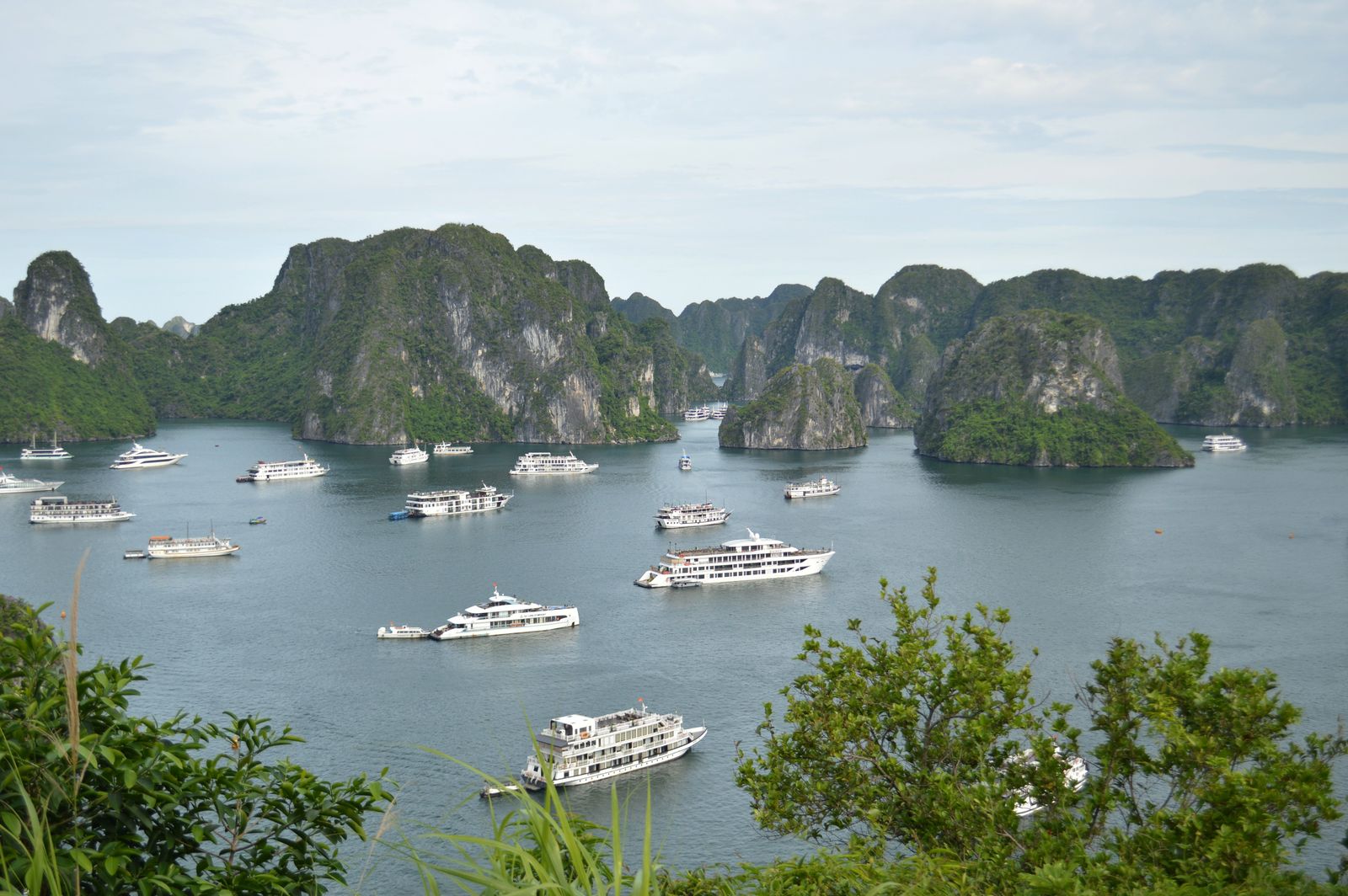
Hanoi, the capital, sits on the banks of the Red River. The Old Quarter is a network of narrow streets with shops, street food, and colonial architecture. Visit the Ho Chi Minh Mausoleum, the Temple of Literature, and the serene Hoan Kiem Lake. The city is a good base for a day trip to Ha Long Bay or the Perfume Pagoda. Allow at least three to four days for Hanoi and its surroundings. The city has a mix of ancient pagodas and French colonial buildings. Street food tours are popular for sampling pho, banh mi, and egg coffee.
Ho Chi Minh City, formerly Saigon, is the commercial hub. The city has a fast-paced energy. The Cu Chi Tunnels offer a glimpse of wartime history. The War Remnants Museum and the Notre-Dame Cathedral Basilica of Saigon are key sites. The Ben Thanh Market is a busy spot for souvenirs and local food. The city also serves as a gateway to the Mekong Delta. Plan at least three days here. The nightlife includes rooftop bars and live music venues. The city is also a good starting point for trips to the beaches of Vung Tau or the tunnels of Cu Chi.
- Hanoi: Old Quarter, Ho Chi Minh Mausoleum, Temple of Literature.
- Ho Chi Minh City: Cu Chi Tunnels, War Remnants Museum, Ben Thanh Market.
- Consider a night train between Hanoi and Ho Chi Minh City for long journeys.
Money and practical tips
The currency is the Vietnamese dong (VND). Carry cash for small purchases, street food, and local markets. Major hotels, restaurants, and shops in cities accept credit cards. ATMs are widely available in Hanoi and Ho Chi Minh City. Notify your bank before travel to avoid card blocks. Exchange currency at banks or official exchange counters for better rates. Avoid exchanging money on the street. Keep small denominations for taxis and tips. Many places accept US dollars for larger transactions, but you will get a better rate using dong.
Vietnam is generally safe for tourists. Petty theft can occur in crowded areas. Keep valuables secure and avoid displaying large amounts of cash. Learn a few basic Vietnamese phrases; English is spoken in tourist areas but less so in rural places. Use ride-hailing apps for taxis. Drink bottled water. Check your travel insurance covers medical evacuation if needed. Traffic can be chaotic, especially in Ho Chi Minh City. Cross roads carefully and watch for motorbikes. Stay in well-reviewed accommodation in central districts for convenience and safety.