Ho Chi Minh City from Pune
Fly from Pune to Vietnam's largest city via a single stop. This guide covers where to stay, what to eat, and how to get around.
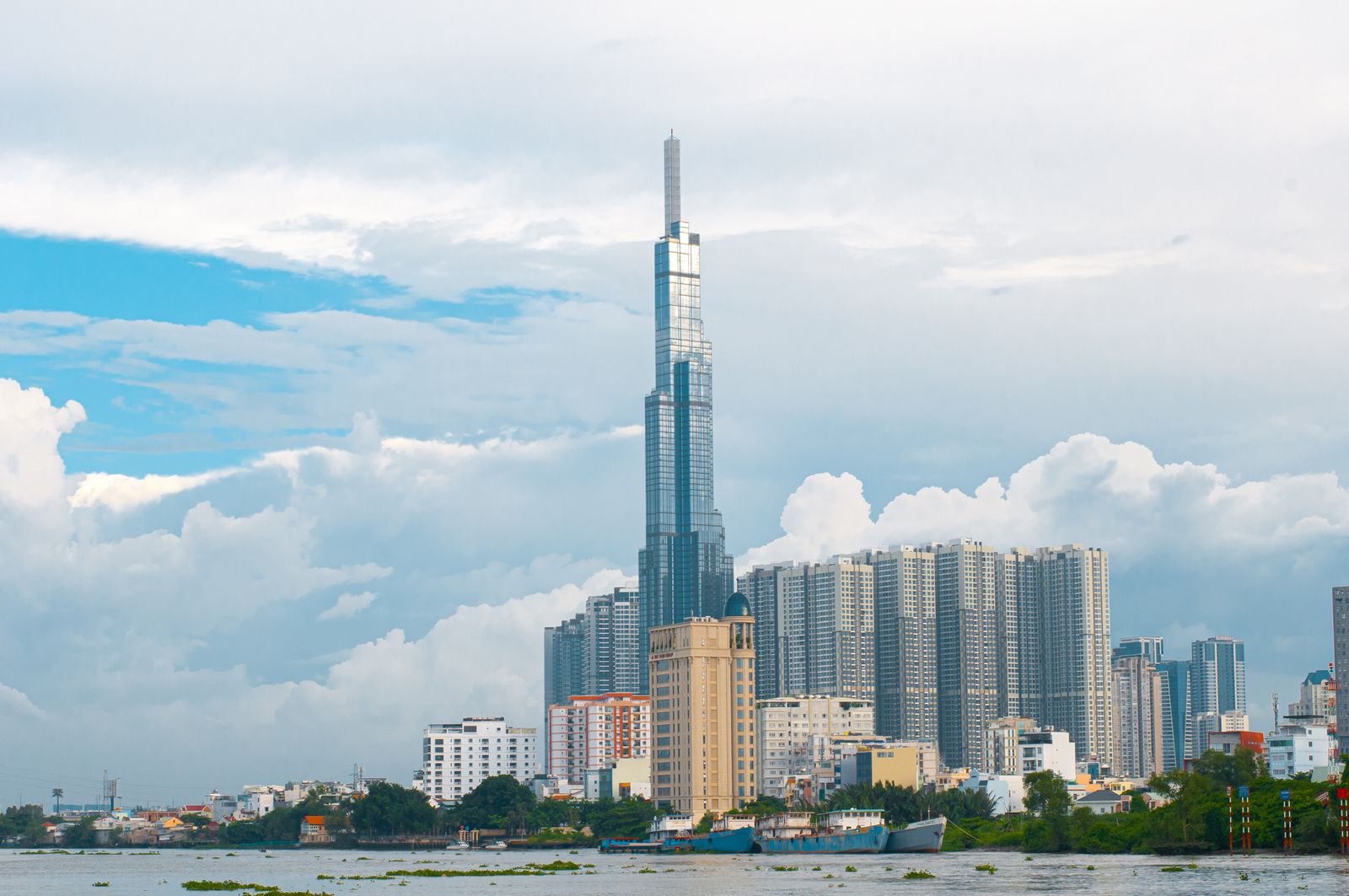
Getting There
Pune International Airport (PNQ) has no direct flights to Ho Chi Minh City. Most itineraries involve one stop, often in Southeast Asia or the Middle East. Total travel time from Pune is roughly 8 to 12 hours, depending on the layover. Check current schedules, as routes and frequencies change.
The arrival airport is Tan Son Nhat International Airport, about 6 km from the city centre. From the airport, taxis and ride-hailing apps are available. Pre-book a transfer or use the official taxi queue to avoid scams. The journey to District 1 takes about 30 minutes in normal traffic.
- Carry a printed copy of your e-visa and passport for immigration.
- Book flights well in advance, especially during December–April peak season.
- Consider a night flight to arrive in the morning and maximise your first day.
Where to Stay
District 1 is the heart of Ho Chi Minh City. It has colonial landmarks, markets, and a lively nightlife. Hotels range from budget hostels to luxury high-rises. This area suits first-time visitors who want to walk to main sights like the Central Post Office and the War Remnants Museum.
District 3 is quieter and more residential, yet close to District 1. It offers a local feel with tree-lined streets and family-run eateries. Thao Dien in District 2 appeals to expats and families, with riverside dining and a relaxed atmosphere. It is farther from the centre but has good transport links.
- District 1: best for sightseeing and nightlife.
- District 3: calm and convenient for budget travellers.
- Thao Dien: spacious and green, ideal for longer stays.
What to Do
History buffs should visit the War Remnants Museum, which documents the Vietnam War from a local perspective. The Reunification Palace and the Cu Chi Tunnels offer further insight into the conflict. For a lighter pace, stroll around the Notre-Dame Cathedral Basilica of Saigon and the nearby Central Post Office, both French colonial-era buildings.
For a day trip, the Mekong Delta is about two hours away. Boat rides through canals, floating markets, and fruit orchards are common activities. Within the city, the Ben Thanh Market is a lively place for souvenirs and local snacks. The Jade Emperor Pagoda and the Museum of Vietnamese History are also worth a visit.
Food to Try
Vietnamese cuisine is fresh and herb-forward. Pho, a beef or chicken noodle soup, is a breakfast staple. Banh mi, a baguette sandwich with pickled vegetables and meat, is a quick lunch option. For a heartier meal, try com tam (broken rice with grilled pork) or bun thit nuong (vermicelli with grilled meat).
Street food is everywhere, from sidewalk stalls to night markets. Sample goi cuon (fresh spring rolls) and cha gio (fried spring rolls). For dessert, try che, a sweet dessert soup with beans and coconut milk. Coffee is a highlight: ca phe sua da is iced coffee with condensed milk, and egg coffee is a rich, creamy speciality.
Getting Around
Ho Chi Minh City has a developing metro system, but the most practical options for visitors are taxis, ride-hailing apps, and motorbike taxis. Apps like Grab are widely used and offer fixed fares. Buses are cheap but routes can be confusing for non-Vietnamese speakers. Walking is feasible in District 1 but be careful with traffic.
For short trips, a motorbike taxi is fast and affordable. Always wear a helmet and agree on the fare before starting. For longer journeys, such as to the Mekong Delta, consider a private car with a driver or a group tour. Renting a motorbike is possible but not recommended for inexperienced riders due to chaotic traffic.
Practical Tips
The dry season from December to April is the best time to visit, with lower humidity and minimal rain. Pack light cotton clothing, a rain jacket for sudden showers, and comfortable walking shoes. The sun is strong, so carry sunscreen and a hat. Tap water is not drinkable; use bottled water.
The local currency is the Vietnamese dong (VND). Credit cards are accepted in many hotels and restaurants, but cash is essential for street food and markets. Bargaining is common in markets but not in shops with fixed prices. Learn a few basic Vietnamese phrases; locals appreciate the effort.


