Pune to United Arab Emirates
Direct flights from Pune reach Dubai and Abu Dhabi in about three hours. This guide covers entry rules, the best times to travel, and what to see in each city.
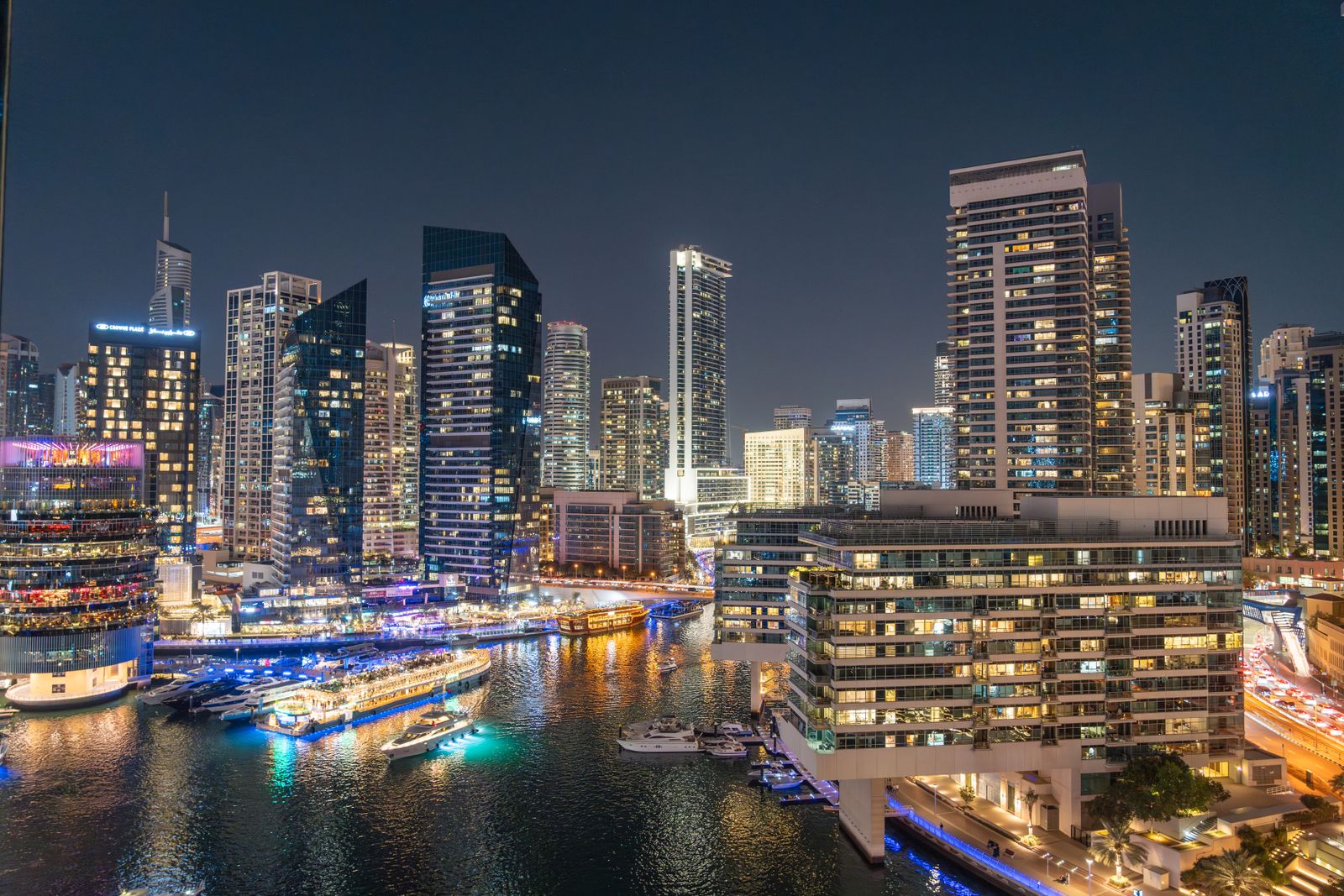
Getting there from Pune
Pune International Airport at Lohegaon operates non-stop flights to Dubai and Abu Dhabi. The flight takes roughly three hours and fifteen minutes. Route types include direct services and one-stop options through hubs such as Mumbai, Delhi, or Gulf cities. Direct flights save time but may cost more. One-stop flights can be cheaper but add several hours to the journey.
Check the current schedule before booking. Flight frequencies change with the season. Airlines from Pune serve both cities, but the number of weekly departures varies. The airport shares its runway with an Indian Air Force station, so civilian slots are limited. Arrive at least two hours before an international departure. Confirm baggage allowances and check-in rules with the airline.
- Direct flights from PNQ to Dubai and Abu Dhabi are available.
- One-stop options via Mumbai or Delhi add travel time.
- Flight times are approximate and depend on air traffic.
Entry rules for Indians
Indian passport holders need a valid UAE visa to enter the country. Some travellers qualify for visa on arrival, but this depends on the passport type and purpose of visit. Tourist visas are issued for short stays, usually up to thirty days. Work and residence visas require employer sponsorship. Transit passengers may need a visa if they leave the airport.
Apply for the visa through the UAE embassy or an authorised visa service. The official website of the UAE embassy in India lists current requirements. Rules change frequently, so check before booking flights. Carry printed copies of the visa, hotel booking, and return ticket. Immigration officers may ask for proof of funds and accommodation.
- A valid passport with at least six months validity is required.
- Visa on arrival is not guaranteed for all Indian passport holders.
- Tourist visas are usually valid for 30 days.
When to go
The best time to visit the United Arab Emirates is from November to March. Temperatures are mild, ranging from the low twenties to the low thirties Celsius. Outdoor sightseeing is comfortable during these months. Summer months from June to September are extremely hot, often exceeding forty degrees. Many attractions move indoors, and daytime activity is limited.
The UAE has two main seasons, not four. Winter is dry and pleasant, with occasional rain. Summer is humid and dusty. Ramadan, the Islamic fasting month, shifts each year. During Ramadan, eating and drinking in public during daylight hours is restricted. Check the Islamic calendar before planning a trip.
- November to March offers the most comfortable weather.
- Summer months are very hot and humid.
- Ramadan affects dining and opening hours.
Where to go: Dubai
Dubai is a city of contrasts, with modern skyscrapers and traditional souks. The Burj Khalifa is the tallest building in the world, with observation decks on upper floors. The Dubai Mall sits next to it, with an aquarium and an ice rink. The Dubai Creek separates the older districts of Deira and Bur Dubai. Take an abra, a wooden boat, across the creek for a small fare.
The Jumeirah Beach area offers public beaches and a view of the Burj Al Arab. The Dubai Frame provides panoramic views of old and new Dubai. The Al Fahidi Historical Neighbourhood has wind-tower houses and museums. The desert outskirts offer dune drives and camel rides. The Palm Jumeirah is a man-made island with hotels and a monorail.
- Visit the Burj Khalifa and Dubai Mall in the same area.
- Explore the old souks near Dubai Creek.
- Take a desert safari for a different experience.
Where to go: Abu Dhabi
Abu Dhabi is the capital of the UAE and a quieter alternative to Dubai. The Sheikh Zayed Grand Mosque is the city's main landmark, with white marble domes and intricate carvings. The Louvre Abu Dhabi museum displays art and artefacts from around the world. The Corniche is a long waterfront with beaches and parks. The Qasr Al Watan, the presidential palace, opens its halls to visitors.
The city has a slower pace than Dubai. The Heritage Village shows traditional Emirati life. The Yas Island area has theme parks and a Formula One circuit. The Mangrove National Park offers kayaking trips. Abu Dhabi's cultural district on Saadiyat Island is growing, with new museums opening in stages.
- The Sheikh Zayed Grand Mosque is a must-see landmark.
- The Louvre Abu Dhabi hosts international exhibitions.
- Yas Island has theme parks and a race circuit.