Pune to Singapore: flights, entry and hotels
A direct flight from Pune to Singapore takes about 5 hours 15 minutes. This guide covers flights, visa rules, weather, districts and booking a stay.
Flights from Pune
Pune International Airport (PNQ) offers non-stop flights to Singapore Changi Airport. The flight time is approximately 5 hours 15 minutes. Airlines operate this route with narrow-body aircraft. Check the current schedule for daily or alternate-day departures. Non-stop flights save time and avoid the hassle of layovers. They are the most convenient option for travellers from Pune who want to reach Singapore quickly.
Connecting flights via hubs such as Mumbai, Delhi, Bengaluru or Kuala Lumpur are also available. These can take 7 to 12 hours depending on the layover. A connecting flight may offer lower fares or better timing. Compare total travel time and convenience before booking. Some travellers prefer a short layover to stretch legs and grab a meal. Check the airline website for the latest schedule and fares.
- Non-stop flights from PNQ to Singapore Changi Airport.
- Connecting flights via Mumbai, Delhi, Bengaluru or Kuala Lumpur.
- Check the airline website for the latest schedule and fares.
Entry rules for Indians
Indian passport holders need a visa to enter Singapore. Apply through an authorised agent listed on the Immigration and Checkpoints Authority (ICA) website. The visa is typically a single-entry or multiple-entry one valid for a few weeks. Processing takes a few working days. The application requires a scanned copy of the passport, a recent photograph, and details of travel plans. Some agents also ask for supporting documents such as hotel bookings or flight itineraries.
Carry a printed copy of the visa approval letter. At immigration, present your passport, visa and return ticket. The ICA website lists current requirements. Rules change, so check before departure. A visa-on-arrival is not available for Indian nationals. Ensure that your passport has at least two blank pages and is valid for at least six months from the date of entry. The visa fee is non-refundable even if the application is rejected.
- Apply through an authorised agent listed on the ICA website.
- Visa is usually valid for a few weeks; check the type issued.
- Carry a printed visa approval letter and return ticket.
When to go
Singapore has a tropical climate with consistent warmth year-round. Daytime temperatures range from 25°C to 32°C. Humidity is high, often above 80%. The northeast monsoon from November to January brings more rain, while February to April is drier and slightly cooler. The wet season sees frequent but short downpours, usually in the afternoon. Thunderstorms are common but pass quickly, leaving the air fresh.
The best time for outdoor sightseeing is February to April and November. Rain showers are brief and common even in dry months. Pack an umbrella and light cotton clothing. Air conditioning is strong indoors, so carry a light layer. The months of June and July also have decent weather, though humidity is high. The Great Singapore Sale often takes place from June to August, offering discounts on shopping.
Where to go in Singapore
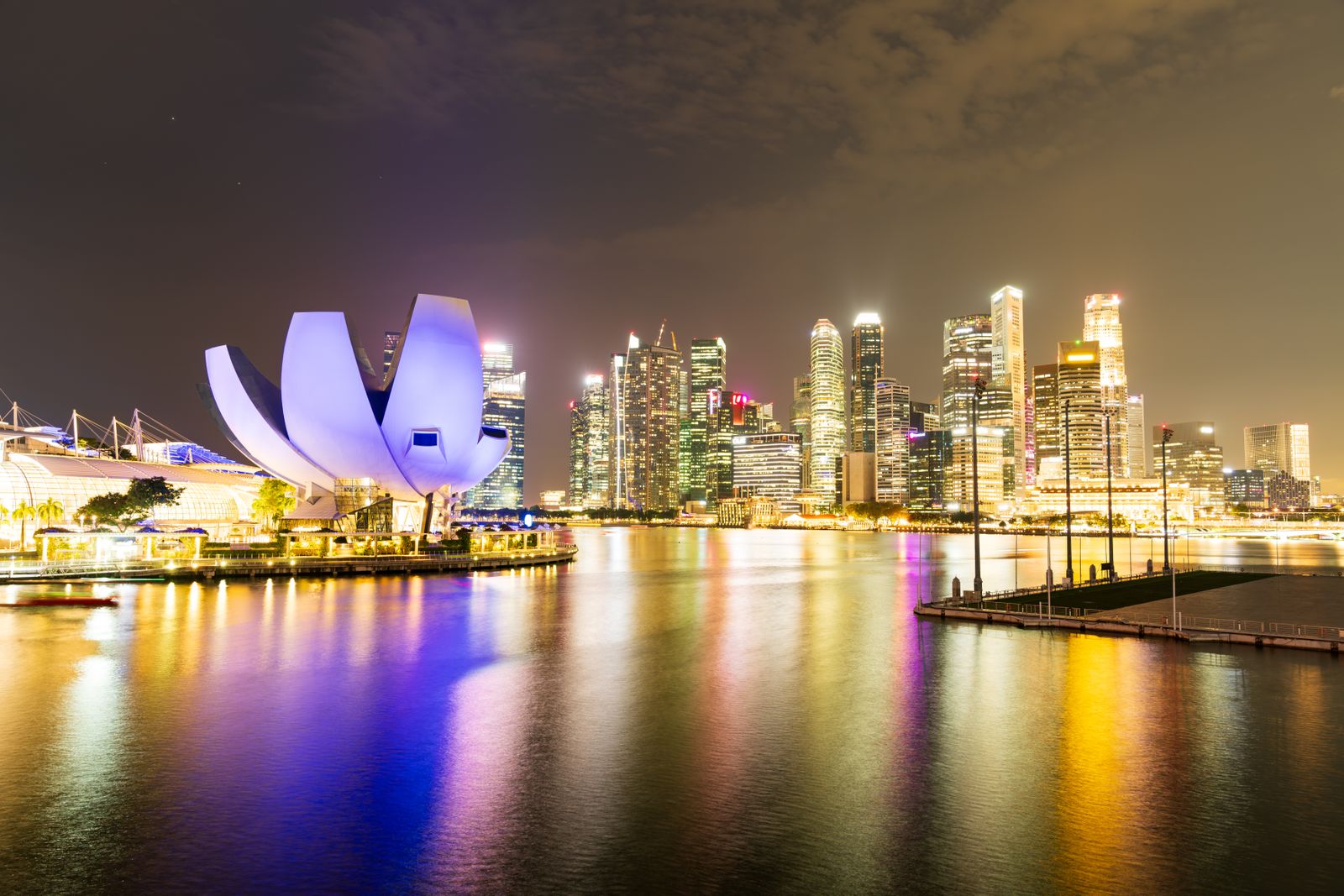
Singapore is a compact city-state. Key areas include Marina Bay, with the iconic hotel and Gardens by the Bay; Chinatown, with temples and hawker centres; Little India, known for its shops and food; and Kampong Glam, the Malay-Arab quarter. Sentosa Island offers beaches and attractions. Each district has its own character and is easily accessible by MRT. The Civic District holds museums and colonial buildings like the National Museum and Raffles Hotel.
Orchard Road is the main shopping street. Tiong Bahru has hip cafés and a wet market. For nature, visit the Botanic Gardens, a UNESCO site, or the Singapore Zoo. Public transport is efficient: the MRT and buses cover the island. The Singapore River runs through the city centre, with Clarke Quay and Boat Quay offering dining and nightlife. For a panoramic view, head to the Marina Bay Sands SkyPark or the observation deck at the Singapore Flyer.
- Marina Bay: skyline, Gardens by the Bay, ArtScience Museum.
- Chinatown: temples, hawker food, shophouses.
- Little India: spice shops, temples, restaurants.
- Sentosa Island: beaches, Universal Studios, S.E.A. Aquarium.
- Botanic Gardens: free entry, UNESCO World Heritage site.
Money and practical tips
The currency is the Singapore dollar (SGD). Credit and debit cards are widely accepted. Carry some cash for hawker centres and small shops. ATMs are common. Tipping is not customary in Singapore; a service charge is often included in restaurant bills. Most establishments accept Visa and Mastercard, and contactless payments are common. Some hawker stalls and taxis may only accept cash or local payment apps like PayNow.
English is widely spoken. Tap water is safe to drink. The MRT runs from about 6:00 am to midnight. Taxis and ride-hailing apps are available. Singapore has strict laws on chewing gum, littering and jaywalking. Fines are high. Keep your passport and visa handy for hotel check-in. The local SIM cards are easy to get at the airport or convenience stores. The power plug is of type G (three-pronged), same as in the UK.
Booking a stay
Singapore has accommodation for all budgets. Hotels in Marina Bay and Orchard Road are expensive but central. Mid-range options are common in Bugis, Lavender and Geylang. Hostels and capsule hotels are available in Little India and Chinatown. Serviced apartments suit longer stays. For a local experience, consider staying in a heritage shophouse hotel in Joo Chiat or Katong. These areas offer a quieter atmosphere and easy access to local food.
Book early for the best rates, especially during holidays and events. Check cancellation policies. Many hotels require a credit card guarantee. Compare prices on multiple platforms before booking. Some hotels offer free breakfast or airport transfers. For budget travellers, hostels in Little India and Chinatown provide dormitory beds and private rooms. Always read recent reviews to gauge cleanliness and noise levels.