Dubai from Pune: where to stay and what to do
A guide for Pune travellers flying from PNQ to Dubai. Covers areas to stay, things to do, food, and entry rules.
Getting there from Pune
Pune International Airport (PNQ) offers non-stop flights to Dubai International Airport. The flight takes about three hours and fifteen minutes. Check current schedules with airlines before booking. The route covers roughly 2,060 kilometres in a straight line. The airport is about ten kilometres north-east of Pune's centre, so allow extra travel time. Arrive at least two hours before departure for international flights. Consider the time difference: Dubai is one and a half hours behind India.
Indian passport holders need a UAE visa unless they qualify for visa on arrival. Rules change frequently. Check the official UAE visa portal or consult your airline before you travel. Carry a printed copy of your visa and return ticket. Some nationalities can get a visa on arrival, but this is not guaranteed for all. Verify your eligibility well in advance. Keep your passport valid for at least six months from your date of entry. Also, ensure you have sufficient funds for your stay.
- Non-stop flights from PNQ to Dubai International Airport.
- Flight duration is approximately three hours fifteen minutes.
- Always verify current schedules and visa requirements.
Areas to stay in Dubai
Downtown Dubai is close to the Burj Khalifa and Dubai Mall. It suits first-time visitors who want to see the main attractions. Dubai Marina offers a waterfront setting with restaurants and nightlife. Deira and Bur Dubai are older districts with souks and a more traditional feel. Jumeirah has beachfront properties and a relaxed atmosphere. Each area has its own character. Downtown is busy and modern. Marina is lively with a promenade. Deira and Bur Dubai are budget-friendly and culturally rich. Jumeirah is quieter and more residential.
Choose based on your itinerary and budget. If you plan to see the old city, Deira or Bur Dubai is convenient. For beach lovers, Jumeirah is ideal. For nightlife and dining, Marina is a good choice. Downtown is central for sightseeing. Consider proximity to metro stations for easy travel. Some areas are more expensive than others. Research accommodation options in advance. Read reviews from other travellers to find a suitable place.
- Downtown: near Burj Khalifa and Dubai Mall.
- Dubai Marina: waterfront dining and nightlife.
- Deira and Bur Dubai: traditional souks and lower prices.
- Jumeirah: beachside and family-friendly.
Things to do in Dubai
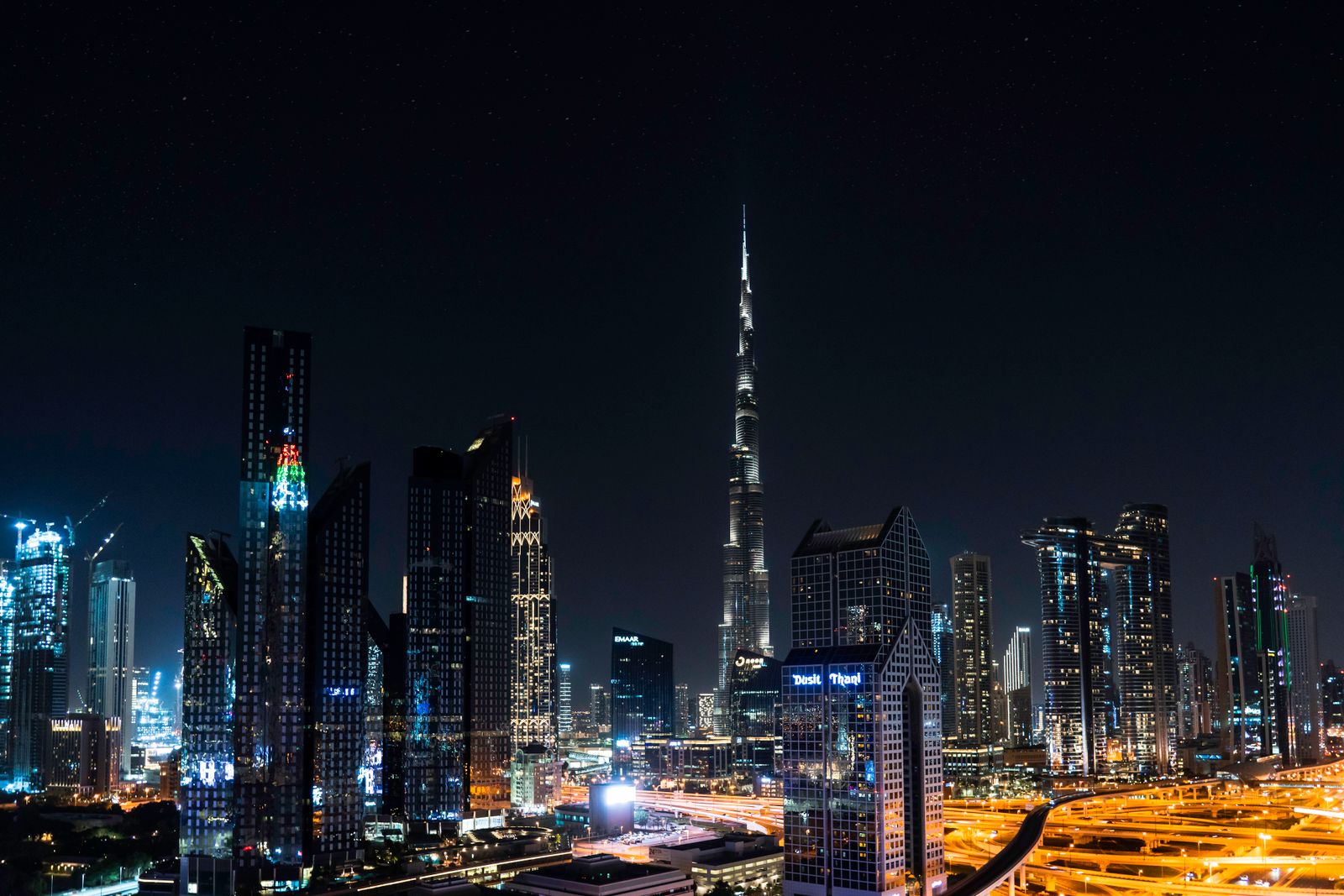
Dubai is known for its skyscrapers, including the Burj Khalifa, the world's tallest building. Visit the observation deck for panoramic views. Explore the Dubai Mall, which has an aquarium and an ice rink. Take a desert safari for dune bashing and camel rides. Visit the historic Al Fahidi district for a glimpse of old Dubai. The Dubai Frame offers views of both old and new parts of the city. The Palm Jumeirah is an artificial island with hotels and beaches.
Souks in Deira and Bur Dubai sell gold, spices, and textiles. The Dubai Creek is a traditional waterway where you can take an abra ride. The Dubai Fountain shows a water and light display in the evening. The Dubai Museum is located in the Al Fahidi Fort. For a modern experience, visit the Dubai Design District or City Walk. Many attractions are open late, so plan your day accordingly. Check opening hours and ticket availability in advance.
Food in Dubai
Dubai's food scene is diverse. Try shawarma, falafel, and hummus from casual eateries. Al Machboos is a spiced rice dish with meat or fish. Luqaimat are sweet dumplings with date syrup. Iranian and Lebanese restaurants are common. Indian food is widely available, from street food to fine dining. Many areas have food courts and street food stalls. Deira and Bur Dubai have affordable options. Dubai Marina and Downtown have upscale restaurants. Do not miss the Arabic coffee and dates.
Check restaurant reviews before you go. Some places are known for specific dishes, such as grilled meats or seafood. For a traditional experience, try a local cafeteria or a family-run restaurant. Dubai also has many international cuisines, including Italian, Chinese, and Japanese. If you have dietary restrictions, most restaurants can accommodate. Always confirm the halal status if that matters to you. Water is safe to drink, but bottled water is widely available.
Getting around and practical tips
Dubai has a metro system that covers most tourist areas. The red line runs along Sheikh Zayed Road to the airport. The green line serves Deira and Bur Dubai. Taxis are available but can be expensive during peak hours. Ride-hailing apps are widely used. Consider buying a Nol card for public transport. The Nol card works on metro, buses, and water taxis. It is a convenient way to pay for multiple journeys. The metro is air-conditioned and efficient. Buses also connect many parts of the city.
The best time to visit is November to March when the weather is mild. June to September is very hot, with temperatures above 40 degrees Celsius. Carry sunscreen, a hat, and water. Dress modestly in public places. Alcohol is served in licensed venues. Friday is the weekly holiday; many shops open later. The weekend is Friday and Saturday. Plan your activities accordingly. Check the weather forecast before you go. Stay hydrated and avoid outdoor activities during peak heat hours.


