Phuket from Pune: where to stay and what to do
A practical guide for travellers from Pune to Phuket, Thailand. Covers flights from PNQ, areas to stay, things to do, food, transport and entry rules.
Getting there from Pune
Phuket International Airport is about 2,890 km in a straight line from Pune International Airport (PNQ). No direct flights operate from PNQ. You will need a connecting flight via a hub such as Mumbai, Delhi, Bangkok or Kuala Lumpur. Total travel time is roughly 7 to 10 hours, depending on the layover. Always check current schedules and airlines before booking. The route crosses the Bay of Bengal and the Malay Peninsula.
Most flights arrive at Phuket International Airport on the north-east of the island. From the airport, you can take a taxi, a shared minivan or a private car to your accommodation. The drive to Patong takes about 45 minutes to an hour. Traffic near the airport can be heavy during peak tourist season. Allow extra time for immigration and baggage collection on arrival.
- Book connecting flights with at least 2–3 hours between legs.
- Check visa requirements before purchasing tickets.
- Pack light; domestic legs may have strict baggage limits.
Areas to stay
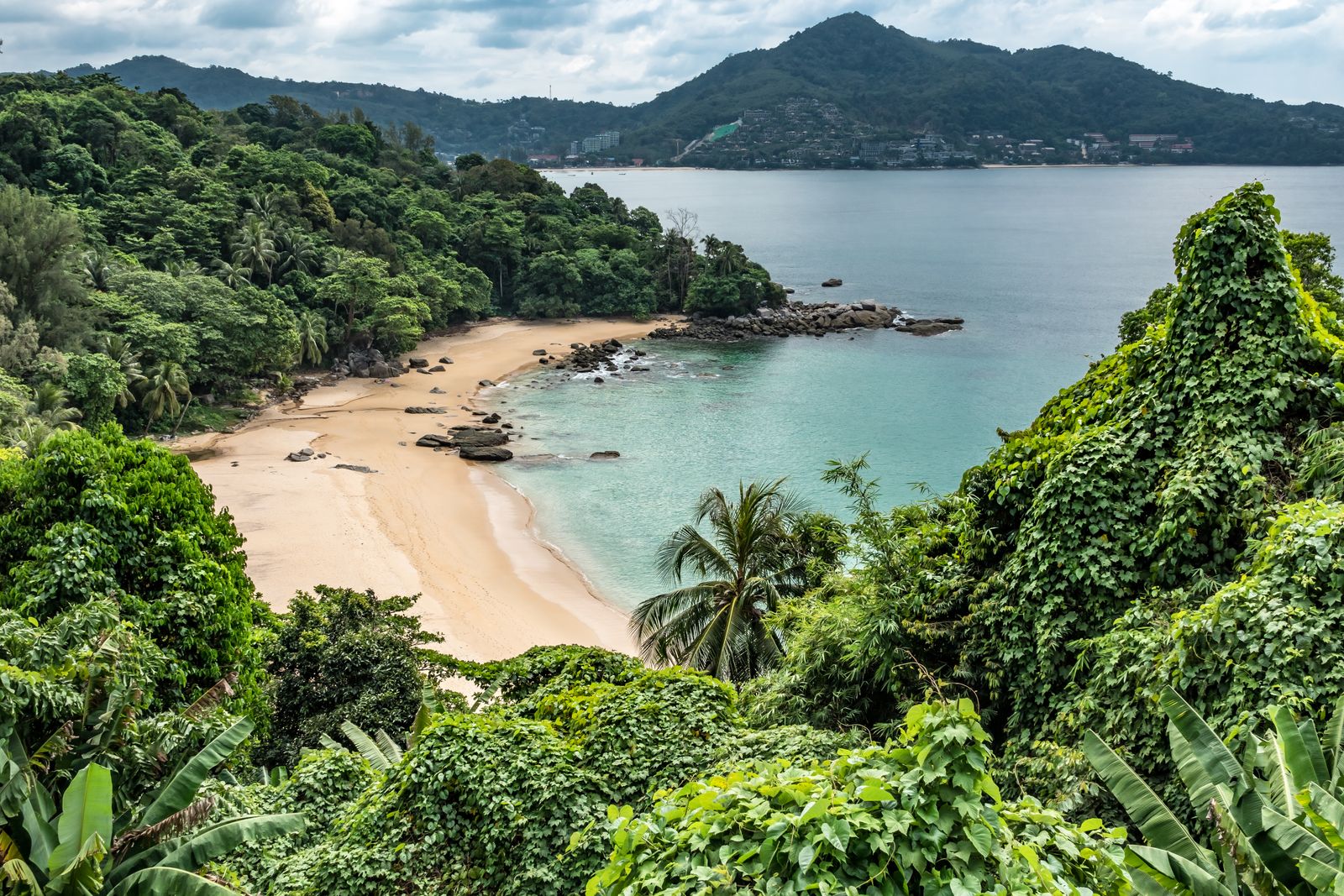
Patong is the most developed beach town, with a long stretch of sand, nightlife and many shops. It suits first-time visitors who want convenience and activity. Kata and Karon are quieter, family-friendly beaches south of Patong, with gentler waves and a relaxed atmosphere. Kamala, north of Patong, offers a more laid-back vibe and a long sandy bay. Each area has a different character; choose based on your preference for nightlife, quiet or culture.
Phuket Town, the island's administrative centre, is inland and has no beach. It is a good base for exploring cultural sites, the Old Town's Sino-Portuguese architecture and local markets. The town has many cafes and restaurants. It is also a transport hub for bus and taxi connections to other parts of the island. Accommodation here is often less expensive than on the coast.
- Patong: busy, many restaurants and bars.
- Kata and Karon: calm beaches, good for families.
- Kamala: quieter than Patong, scenic bay.
- Phuket Town: cultural hub, no beach.
Things to do
Phuket's west coast beaches are the main draw. Patong, Kata, Karon and Kamala offer swimming, sunbathing and water sports. The Andaman Sea is warm year-round. From November to April the sea is calm; from May to October the west coast can be rough and some beaches post warning flags. Always swim at patrolled beaches. The water clarity is best in the dry season for snorkelling and diving.
Island boat trips are popular. Day trips to the Phi Phi Islands, James Bond Island in Phang Nga Bay or the Similan Islands (seasonal) depart from Phuket. These tours often include snorkelling, lunch and sightseeing. Phuket Old Town, around Thalang Road, has well-preserved shophouses, cafes and street art. The Big Buddha and Wat Chalong temple are inland landmarks. A visit to the Gibbon Rehabilitation Centre is also worthwhile.
Food and drink
Phuket's food scene blends Thai, Chinese and Malay influences. Try local dishes such as pad thai, tom yum goong, green curry and massaman curry. Seafood is abundant; grilled fish, prawns and squid are common on beachfront menus. For a quick meal, eat at a food stall or a simple restaurant. Fresh fruit shakes and coconut water are widely available. Mango sticky rice and roti are popular snacks.
Phuket Town has a range of eateries serving both Thai and international food. The Sunday Walking Street Market on Thalang Road offers many local snacks. Street food is generally safe, but choose stalls with high turnover. Avoid tap water; drink bottled or filtered water. Spice levels can be adjusted on request. Try local desserts such as khao niew (coconut sticky rice) and tub tim khao (pumpkin custard).
Getting around and practical tips
Phuket has limited public transport. Tuk-tuks (small red trucks) and taxis are common but negotiate the fare before starting. Renting a scooter is popular but requires an International Driving Permit and confidence in left-hand traffic. Roads can be busy and accident rates are high. For longer trips, hire a private car with a driver. Songthaews (pickup trucks with benches) run on fixed routes in towns.
The climate is tropical: hot and humid year-round. November to April is the dry season with lower humidity. May to October is the monsoon season; expect rain and rough seas. Pack light cotton clothing, swimwear, sunscreen and insect repellent. A light jacket or shawl is useful for air-conditioned spaces. Cash is widely used; ATMs are common. Learn a few Thai phrases like sawadee (hello) and khop khun kha (thank you).


