Bangkok from Pune: where to stay and what to do
Temples by the river, night markets and the world’s best street food — a perfect four-night break.
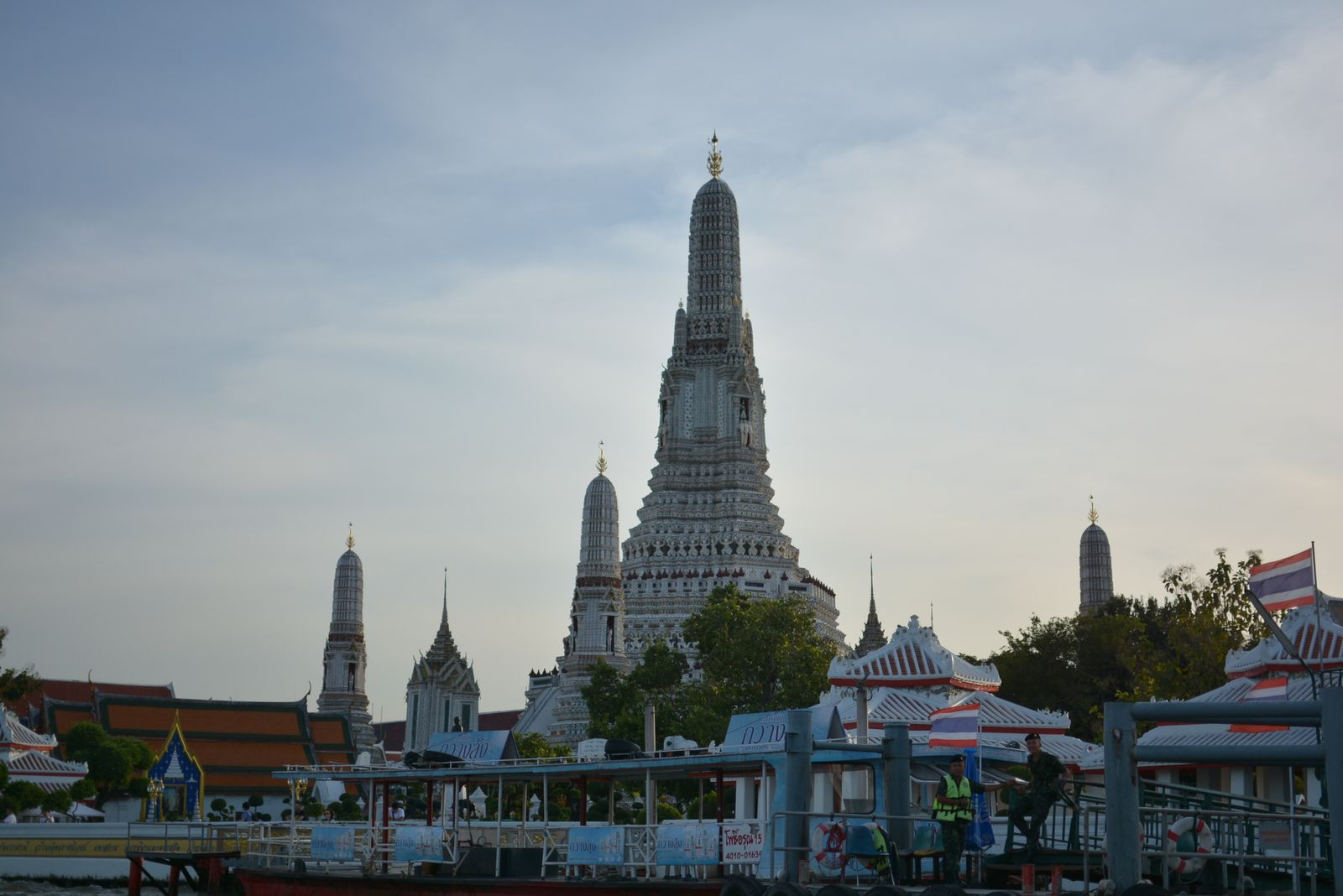
Bangkok is a city of contrasts: golden temples beside glass towers, floating markets and mega-malls, quiet canals and all-night street food. It is affordable, safe for most travellers and easy to navigate thanks to its Skytrain and metro.
Where to stay
- Sukhumvit — hotels of every level, nightlife and Indian restaurants; on the BTS line.
- Riverside — luxury hotels on the Chao Phraya, near the Grand Palace by boat.
- Siam — central shopping district, ideal for families.
- Silom & Sathorn — business district, rooftop bars and Lumphini Park.
Top things to do
- Grand Palace and Wat Phra Kaew — dress modestly; go early.
- Wat Pho’s reclining Buddha and its traditional massage school.
- Wat Arun at sunset from the riverside.
- Chatuchak Weekend Market — thousands of stalls.
- A long-tail boat ride through the Thonburi canals.
A four-day plan
- Day 1 — Arrive; evening on Sukhumvit or a rooftop bar in Silom.
- Day 2 — Grand Palace, Wat Pho and Wat Arun by river boat; dinner in Chinatown (Yaowarat).
- Day 3 — Chatuchak market (weekends) or Jim Thompson House; shopping in Siam; night market.
- Day 4 — Floating market day trip or canal tour; spa massage before your flight.
Food
Bangkok’s street food is legendary: pad thai, som tam (papaya salad), mango sticky rice, boat noodles and grilled satay. Vegetarians can look for the yellow ‘jay’ flags marking vegetarian stalls, or head to Pahurat — Bangkok’s Little India — and Sukhumvit Soi 11 for Indian restaurants. Many hotels serve Indian breakfasts.

Getting around
The BTS Skytrain and MRT subway cover the main districts and avoid the city’s notorious traffic. The Airport Rail Link connects Suvarnabhumi to the city in about 30 minutes. Chao Phraya Express boats are the best way to reach the old-city temples. Use metered taxis or ride-hailing apps rather than unmetered tuk-tuks for longer trips.
Shopping
- Chatuchak Weekend Market — clothes, crafts, plants and food.
- Siam Paragon, CentralWorld and ICONSIAM — luxury and mid-range malls.
- Pratunam — wholesale fashion at low prices.
- Asiatique — a riverside night market with a Ferris wheel.
When to go
November to February is cooler and drier, the best time for sightseeing. March to May is very hot; Songkran, the Thai New Year water festival, takes over the city in mid-April. June to October brings monsoon showers — usually short and heavy — and lower hotel prices.
Where to stay, compared
- Sukhumvit — best all-rounder, with Indian food and nightlife.
- Riverside — most atmospheric, great for temples.
- Siam — central and family-friendly.
- Silom & Sathorn — business district with rooftop bars.
Book your Bangkok hotel on IMPT for the same price as elsewhere and fund verified climate action with every stay.
Getting Around
Pune's public transport is a mix of metro, buses and autorickshaws. The Purple and Aqua metro lines connect Pimpri, Shivajinagar, Swargate, Pune Station and Kalyani Nagar. Autorickshaws are widely available; always agree on the fare before starting the ride. Buses operated by PMPML cover most areas but can be crowded during peak hours. For longer trips, suburban trains run from Pune Junction and Shivajinagar to Lonavala. The city is also walkable in certain neighbourhoods such as Camp and Koregaon Park. Cycling is less common but growing in some areas. Always check the current metro network, as new lines are under construction and may alter routes.
Bangkok's Skytrain and metro are extensive and reliable. The BTS and MRT lines cover the city centre and suburbs. River boats on the Chao Phraya offer an alternative route. Taxis and ride-hailing apps are common. In both cities, check the current network maps and fares before travelling, as routes and prices change. Bangkok also has a network of buses and motorcycle taxis for shorter trips. The city's traffic can be heavy, so the Skytrain is often the fastest option. For airport transfers, the Airport Rail Link connects Suvarnabhumi to the city centre. Planning your route in advance saves time.
When to Visit
Pune is best visited from October to February, when the weather is dry and mild. Daytime temperatures are comfortable, and nights can be cool. This period also hosts the Sawai Gandharva music festival in December. The monsoon from June to September turns the surrounding hills green, but trails can be slippery and some forts restrict access. March to May is hot, with temperatures often in the mid to high 30s °C. The cool season is ideal for outdoor sightseeing at forts and parks. Check local advisories for monsoon travel, as heavy rain can cause delays.
Bangkok is hot year-round. The cool season from November to February is the most comfortable, with lower humidity. The hot season from March to May can be very warm, with temperatures often exceeding 35 °C. The rainy season from May to October brings frequent showers, often in short bursts. Both cities have distinct seasons that affect outdoor sightseeing. In Bangkok, the cool season is also the peak tourist period, so expect larger crowds at major attractions. The rainy season can still be enjoyable, with fewer tourists and lush greenery. Pack light clothing and an umbrella for either city.


