Chiang Mai from Pune: A Practical Guide
Fly from Pune to Chiang Mai with one stop. Stay in the Old City, Nimmanhaemin, or Riverside. Explore temples, night markets, and northern hills.

Getting There
Pune International Airport (PNQ) has no direct flights to Chiang Mai. You will connect through a major hub, such as Bangkok or Kuala Lumpur. Total travel time is roughly 8 to 11 hours, depending on the layover. Check current schedules, as routes and frequencies change. Book with a single layover to minimise travel time. Arrive at PNQ at least two hours before departure for international check-in. Carry a printed copy of your return ticket and hotel booking. These documents may be requested at immigration.
Chiang Mai International Airport is about 4 km from the Old City. From the airport, take a metered taxi or a ride-hailing app to your accommodation. The journey takes 15 to 20 minutes in normal traffic. Arrival formalities are straightforward for most visitors, but keep your passport and visa documents ready. If your layover is long, consider an overnight stop. Some airlines offer free hotel stays for long transits. Always confirm the visa requirements for Thailand before you book, as rules change. Check the Royal Thai Embassy website for the latest updates.
- Book flights with a single layover to minimise travel time.
- Carry a printed copy of your return ticket and hotel booking.
- Arrive at PNQ at least two hours before departure for international check-in.
Where to Stay
The Old City is a walled area with moats, temples, and guesthouses. It is walkable and close to major sights like Wat Phra Singh and Wat Chedi Luang. Stay here for a traditional experience and easy access to night markets. The streets are narrow and often busy with pedestrians and bicycles. Many buildings are low-rise, preserving a historic feel. You will find budget guesthouses and mid-range hotels. The Sunday Walking Market passes through the main road, so you can step out and join the crowds.
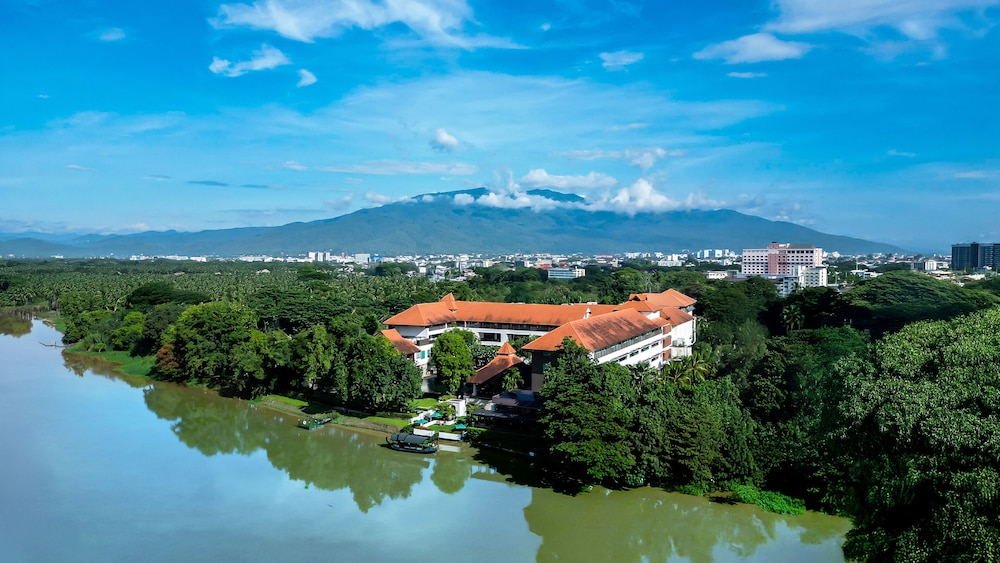
Nimmanhaemin is a trendy neighbourhood west of the Old City. It has cafés, boutiques, and art galleries. This area suits travellers who prefer modern amenities and a lively café scene. Riverside, along the Ping River, offers quieter stays with river-view restaurants and boutique hotels. Each area has its own character. The Old City is historic and central. Nimmanhaemin is stylish and youthful. Riverside is relaxed and scenic. Choose based on your travel style. For first-time visitors, the Old City is a practical base.
What to Do
Start with the Old City's temples. Wat Phra Singh and Wat Chedi Luang are prominent. Wat Phra Singh houses the Phra Singh Buddha image. Wat Chedi Luang has a large ruined chedi from the 15th century. Dress modestly, covering shoulders and knees. Remove shoes before entering temple buildings. Some temples charge a small entry fee. The grounds are peaceful, with gardens and shaded areas. Spend at least an hour at each site to appreciate the architecture and history. Early morning visits are cooler and less crowded.
Visit the night markets. The Sunday Walking Street on Ratchadamnoen Road is famous. The Night Bazaar on Chang Klan Road runs daily. You will find handicrafts, clothing, and street food. For a quieter experience, visit Warorot Market during the day for local produce and spices. Take a day trip to Doi Suthep temple, on a mountain west of the city. The view from the top is wide. Explore the old city walls and moat, built in the 13th century. Join a Thai cooking class to learn local dishes like khao soi. Visit the Elephant Nature Park, an ethical sanctuary, if you have time.
- Take a day trip to Doi Suthep temple, on a mountain west of the city.
- Explore the old city walls and moat, built in the 13th century.
- Join a Thai cooking class to learn local dishes like khao soi.
- Visit the Elephant Nature Park, an ethical sanctuary, if you have time.
Food and Drink
Chiang Mai's cuisine is distinct from central Thailand. Khao soi is a curried noodle soup with crispy noodles. Sai ua is a grilled sausage with herbs. Nam prik num is a roasted chilli dip. These dishes are widely available in local eateries and markets. For dessert, try khao niew mamuang, mango with sticky rice, or kanom krok, coconut pancakes. Street stalls are common, especially in the evening. For a sit-down meal, many restaurants serve traditional northern Thai dishes. Always check the spice level if you prefer mild food.
Vegetarians will find many options. Thai cuisine uses tofu and vegetables generously. Look for 'jay' signs, which indicate vegetarian food. Water is safe from sealed bottles only. Avoid ice in drinks from street vendors unless you are confident about the source. Carry a small bottle of water and stay hydrated. Spicy food can be intense, so have a sweet drink or yoghurt handy. The night markets are good places to sample a variety of dishes in one go. You can also take a cooking class to learn how to prepare these dishes at home. This is a practical way to remember the flavours.
Getting Around
Songthaews are red shared pick-up trucks that run fixed routes. They operate like buses, and you can flag them down. Fares are low, but agree on the price before boarding. Tuk-tuks are faster and more expensive, but they are good for short trips. Walking is pleasant in the Old City, as distances are short. For longer trips, use ride-hailing apps. They are reliable and have fixed fares. Public buses are limited, so they are not a practical option for tourists. Always carry small notes for fares, as drivers may not have change.
Renting a scooter is popular. It gives you freedom to explore the city and nearby hills. You need a valid international driving permit. Wear a helmet at all times. Traffic in Chiang Mai is manageable, but be cautious during the rainy season from June to October. If you rent a scooter, take photos of the vehicle before riding. Check for existing damage to avoid disputes. The roads to Doi Suthep are winding and steep, so drive carefully. For day trips to the hills, consider hiring a car with a driver. This is safer and less tiring than riding a scooter for long distances.
Practical Tips
The best time to visit is November to February. The weather is cool and dry. March and April are hot, and the burning season brings smoky skies. May to October is the rainy season, but the hills are green. Plan your trip around the weather to enjoy outdoor activities. Learn a few Thai phrases. 'Sawasdee' means hello, and 'khob khun' means thank you. The Thai baht is the local currency. ATMs are widely available, but carry some cash for markets and small shops. Dress respectfully at temples, and remove shoes before entering.
Indian passport holders need a visa to enter Thailand. Many nationalities can apply for an e-Visa online. Rules change, so check the Royal Thai Embassy website before booking. Carry proof of accommodation and sufficient funds, as immigration may ask for them. Download an offline map of Chiang Mai. Wi-Fi is common, but having offline access helps in remote areas. Keep a copy of your passport and visa separately from the originals. In case of loss, this will help at the embassy. Also, note the emergency numbers for Thailand, including the tourist police. They are helpful in case of disputes.