Pune to Maldives
Flights from Pune International Airport connect to the Maldives via hubs. Indian passport holders get a free 30-day visa on arrival. This guide covers the essentials.
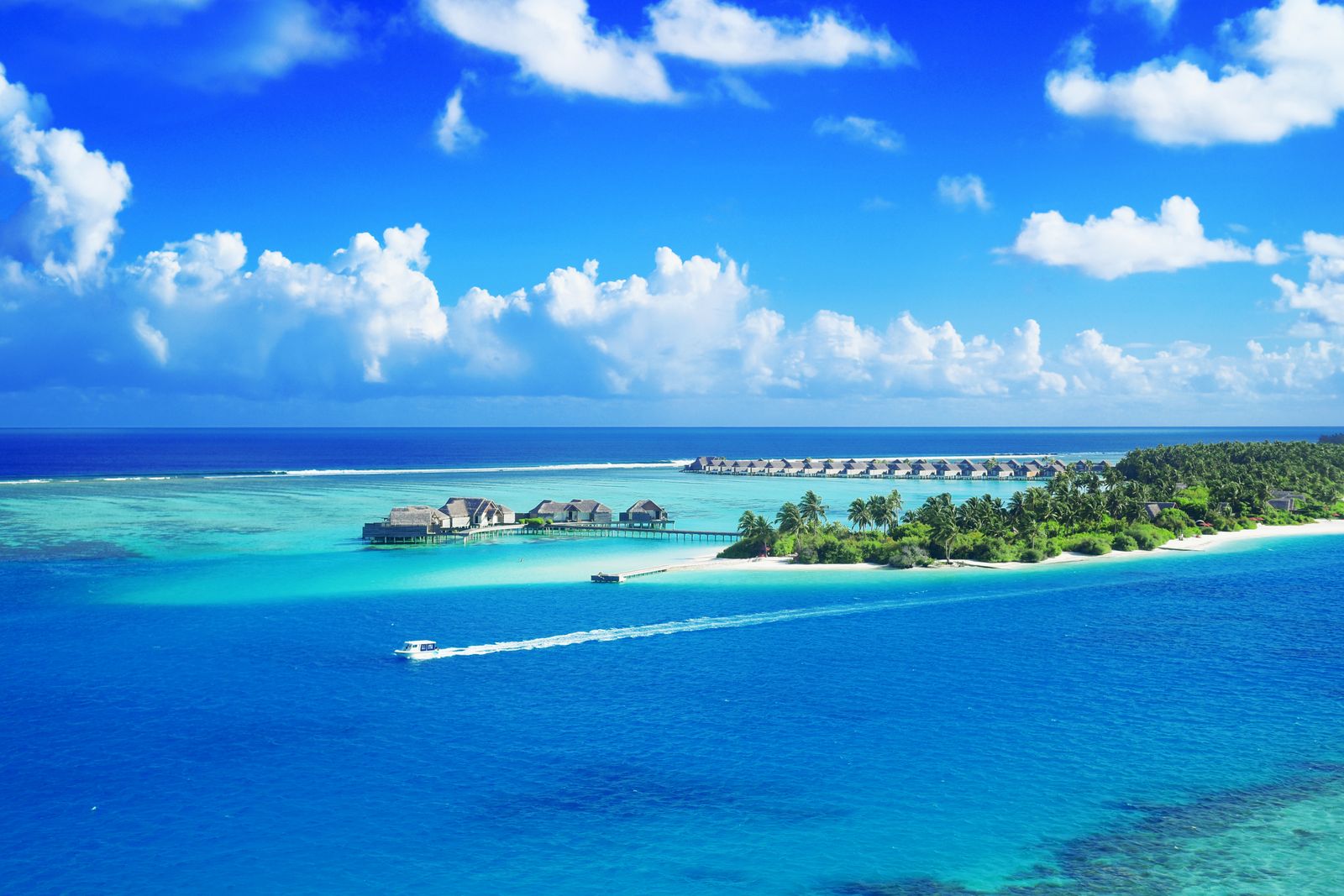
Getting there from Pune
Pune International Airport (PNQ) does not have direct flights to the Maldives. You will need to change planes at a hub. Common hubs include Mumbai, Delhi, Bengaluru or Kochi. The total journey time is roughly 4 to 7 hours, depending on the layover. Allow at least two hours for the connection to ensure you have enough time to clear security and board your next flight. Book early, especially during peak season, as seats fill up quickly. Consider booking a single itinerary to protect your connection; if your first flight is delayed, the airline will rebook you on the next available flight to Malé.
Check the current schedules of airlines that operate from PNQ to your chosen hub. From there, several carriers fly to Velana International Airport (MLE) near Malé. The airport is about 2 km from the capital, and transfers to resorts or guesthouses are arranged by speedboat or seaplane. Carry a printed copy of your onward ticket and hotel booking for immigration. PNQ has limited international departures, so arrive two hours early for your flight. Pack light, as domestic connections in India may have baggage limits that differ from international legs.
- Book a single itinerary to protect your connection.
- Carry a printed copy of your onward ticket and hotel booking.
- PNQ has limited international departures; arrive two hours early.
Entry rules for Indians
Indian passport holders receive a free 30-day visa on arrival in the Maldives. You need a valid passport with at least six months of validity, a confirmed onward or return ticket, and proof of accommodation for the entire stay. The visa is issued at the immigration counter at Velana International Airport, and the process is straightforward for most travellers. No prior application is required for Indian citizens. The visa covers tourism, transit or short business visits. Keep your hotel confirmation and return ticket easily accessible, as immigration officers may ask to see them before granting entry.
Rules can change. Check the official Maldives Immigration website before you travel. The visa is free, so you do not need to pay any fee at the airport. If you plan to stay longer than 30 days, you may apply for an extension through the Maldives Immigration office in Malé. Ensure your passport has blank pages for the entry stamp. Travellers arriving without a return ticket or accommodation booking risk being denied entry, so prepare these documents in advance.
When to go
The dry season runs from November to April. This is the best time for clear skies, calm seas and good visibility for snorkelling and diving. December and January are the busiest months, with higher prices for flights and accommodation. Many travellers from Pune plan their trips during this period to escape the winter chill. The weather is warm and sunny, with temperatures around 28 to 32 °C. The sea is calm, making it ideal for boat trips and water sports. Book flights and stays well in advance for December and January.
The wet season, from May to October, brings rain and stronger winds. The southwest monsoon from June to August can interrupt ferry services. However, this period offers lower rates and fewer crowds. Surfers prefer the waves between June and September. Consider shoulder months like November or April for good weather and lower costs, as the crowds are thinner. The vegetation is lush during the wet season, and the islands are less crowded. If you are on a budget, the wet season can be a good time to visit, provided you are prepared for occasional rain.
Malé and beyond
Malé is the capital and main entry point. The city is small and walkable. Key sights include the Old Friday Mosque, the National Museum and the local fish market. Most travellers use Malé as a transit point to reach resort islands or local guesthouses, spending only a few hours here before heading to their accommodation. The city is densely built, with narrow streets and a lively harbour. You can explore on foot or by taxi. The fish market is worth a visit in the late afternoon when the catch comes in. The National Museum houses artefacts from the country's sultanate era.
From Malé, speedboats or seaplanes connect to other atolls. Popular areas include North Malé Atoll, South Malé Atoll and Ari Atoll. Each offers beaches, coral reefs and water sports. Local guesthouses on inhabited islands are a cheaper alternative to private resorts. Speedboat transfers take 15 to 45 minutes from the airport, while seaplanes operate only during daylight hours. Public ferries are the most affordable option for reaching local islands, but they run on fixed schedules and take longer. Confirm the transfer method with your accommodation before arrival to avoid delays.
- Malé is compact; explore on foot or by taxi.
- Speedboat transfers take 15 to 45 minutes from the airport.
- Seaplanes operate only during daylight hours.
Money and practical tips
The official currency is the Maldivian rufiyaa. US dollars are widely accepted in resorts and larger shops. Credit cards are accepted at most hotels and restaurants in Malé and on resort islands. Carry some cash for local ferries and small stalls, as not all places accept cards. ATMs are available at the airport and in Malé. Withdraw rufiyaa from ATMs at Velana International Airport. US dollars are easier for tips and small purchases. Tipping is common but not mandatory. Tap water is safe at resorts but avoid it on local islands; buy bottled water.
Sunscreen, insect repellent and a power adapter (UK-style three-pin plug) are useful. Dress modestly on inhabited islands outside resort areas. Pack light cotton clothes, swimwear, a hat and a waterproof bag for boat trips. The Maldives is a Muslim country, so respect local customs. Alcohol is available only in resorts and on liveaboard boats. Public displays of affection are discouraged on local islands. Learn a few phrases in Dhivehi, the local language, such as 'shukuriyaa' for thank you. English is widely spoken in tourist areas, so communication is easy.