Malé from Pune: where to stay and what to do
Fly from Pune to Malé for a tropical escape. This guide covers where to stay, what to do, and practical tips for Indian travellers.

Getting there from PNQ
Pune International Airport (PNQ) offers flights to Velana International Airport in Malé with a single stop, often at a hub like Mumbai or Delhi. The total journey takes roughly 4 to 7 hours depending on the layover. Check current schedules before booking, as routes and timings change. Book early for better options and allow at least 3 hours for the connection.
Velana Airport is on Hulhulé Island, about 2 km from Malé city. From the airport, take a public ferry, a speedboat taxi, or use the Sinamalé Bridge, which connects Hulhulé to Malé and Hulhumalé. The bridge also links to Hulhumalé, a reclaimed island with hotels and residential areas. Keep your passport and booking confirmations handy for immigration.
- Book flights early for better options.
- Allow at least 3 hours for the connection in the hub city.
- Keep your passport and booking confirmations handy for immigration.
Areas to stay
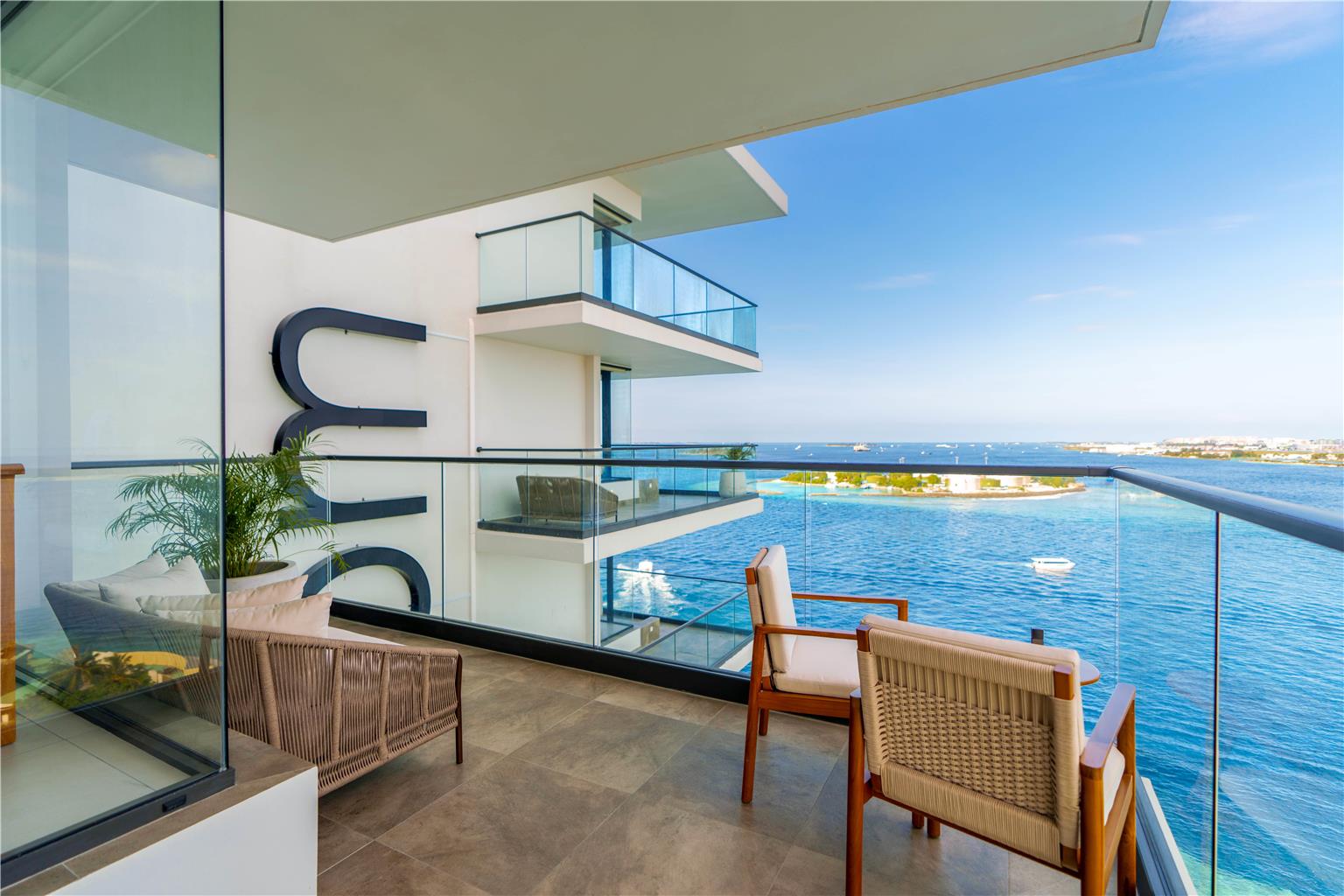
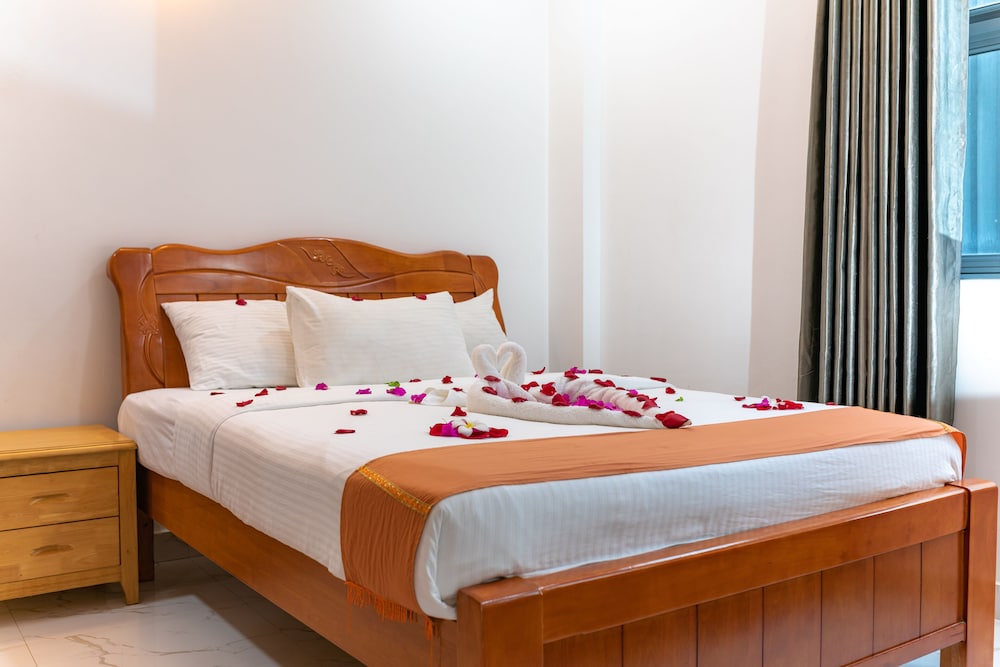
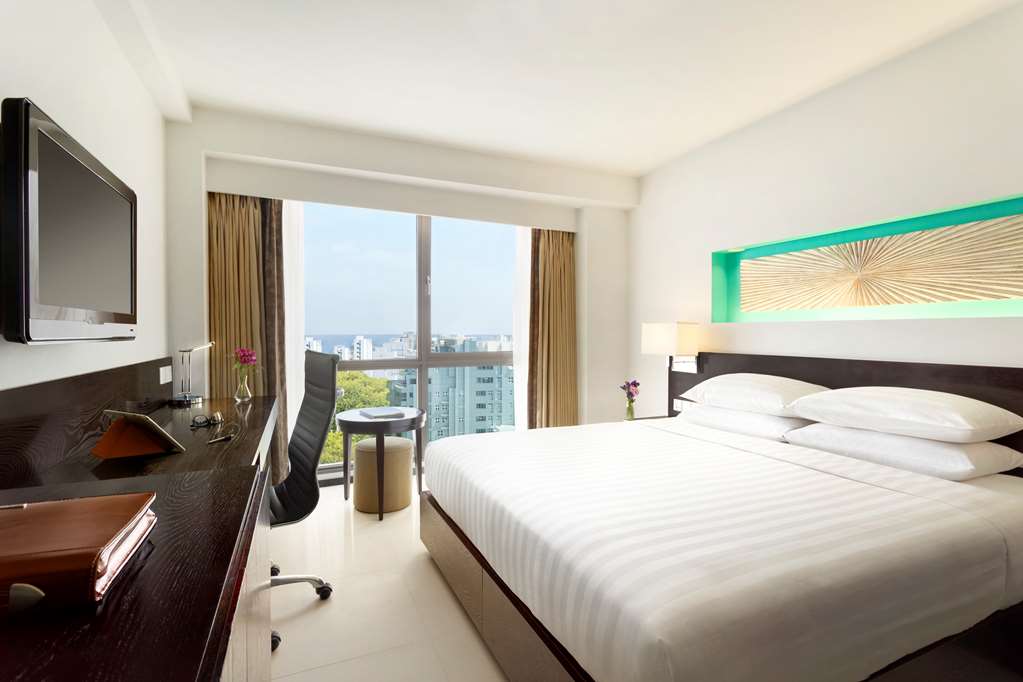
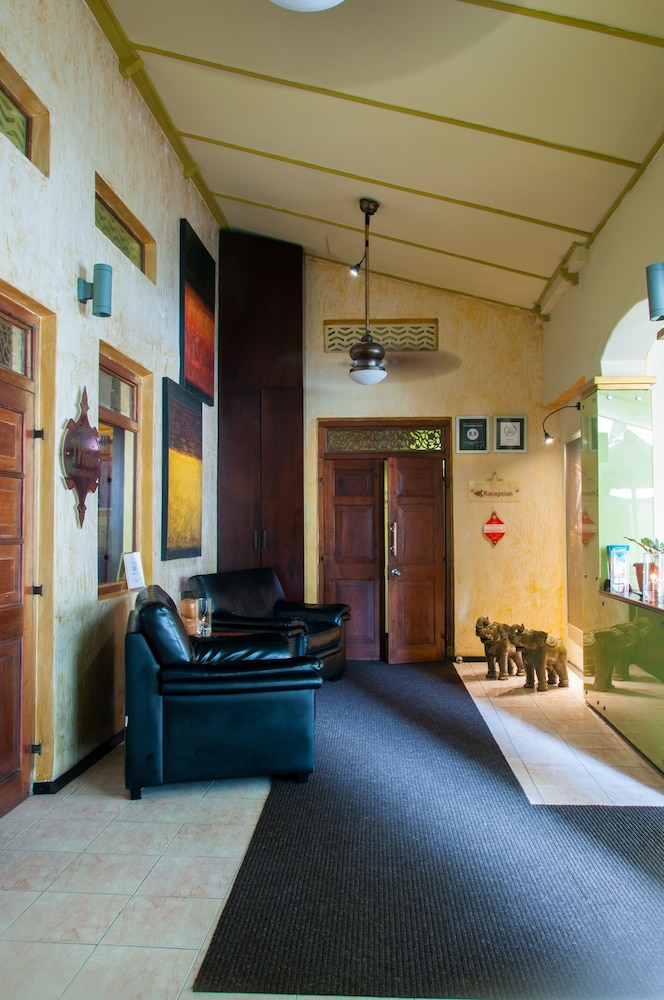
Malé city is the capital island, dense with guesthouses, small hotels and local life. It is walkable, but streets are narrow and traffic can be heavy. Accommodation here is basic and affordable, close to markets, cafés and the waterfront. Hulhumalé, a short bridge ride away, offers newer hotels, wider roads and a quieter atmosphere. It is popular with travellers who want proximity to the airport and a more relaxed pace.
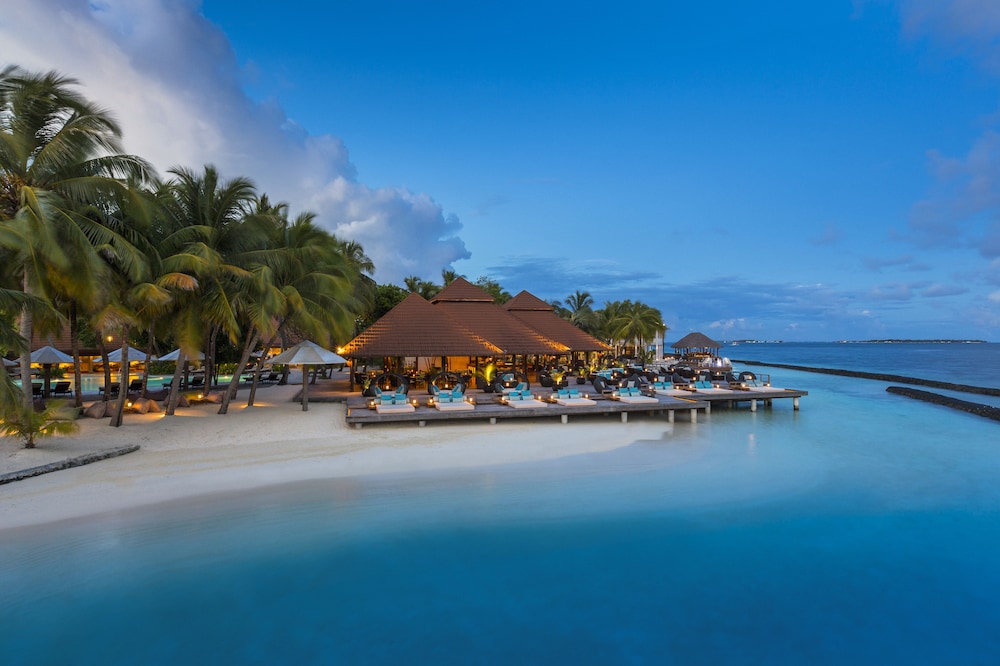
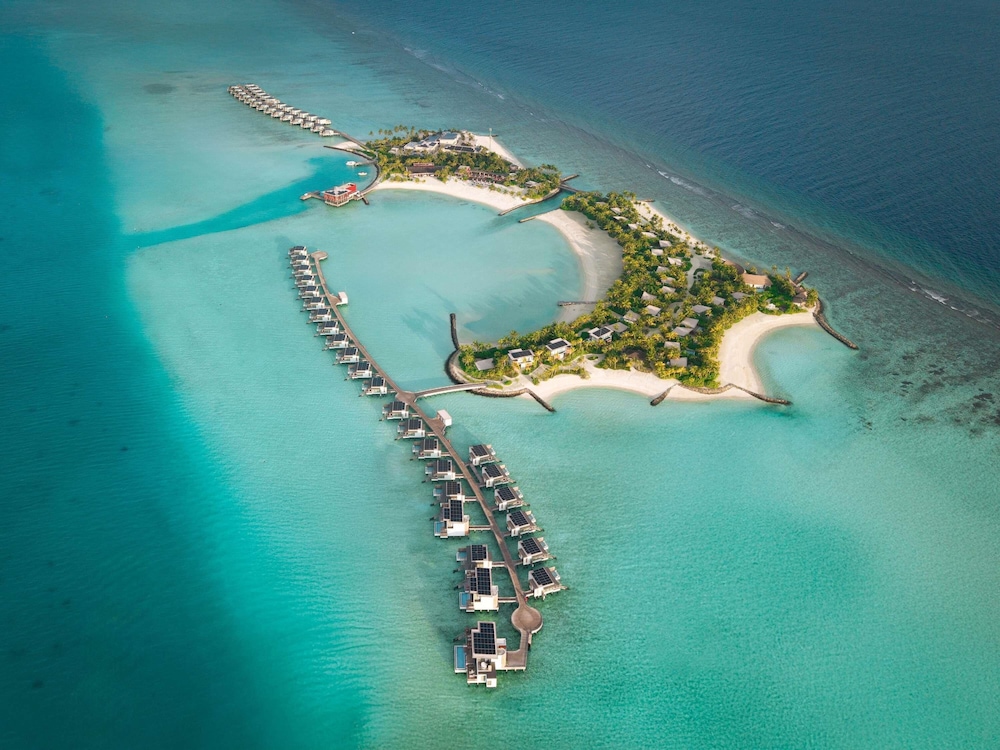
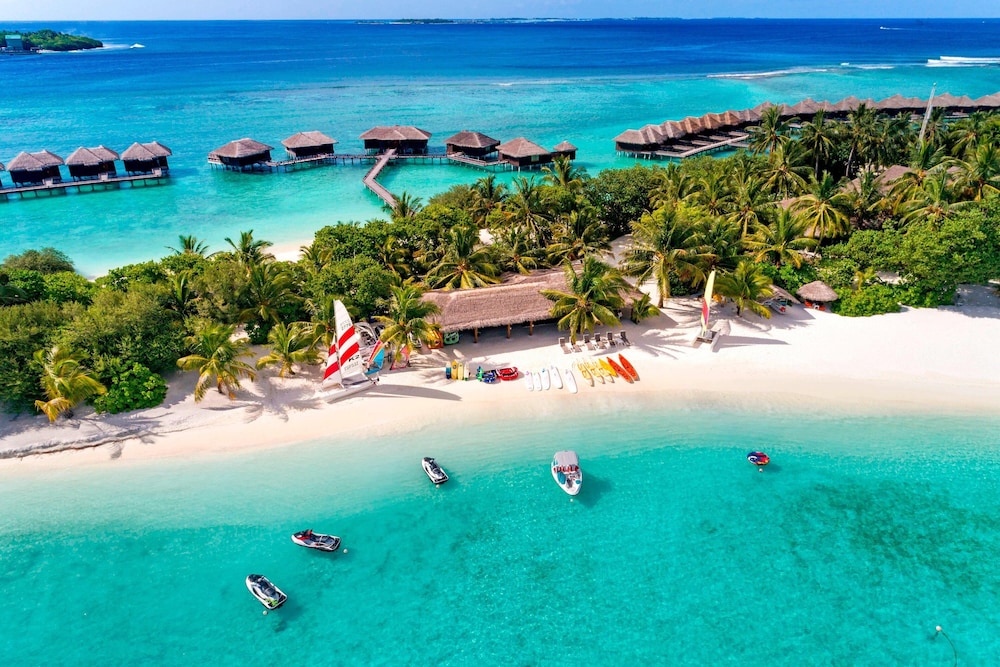
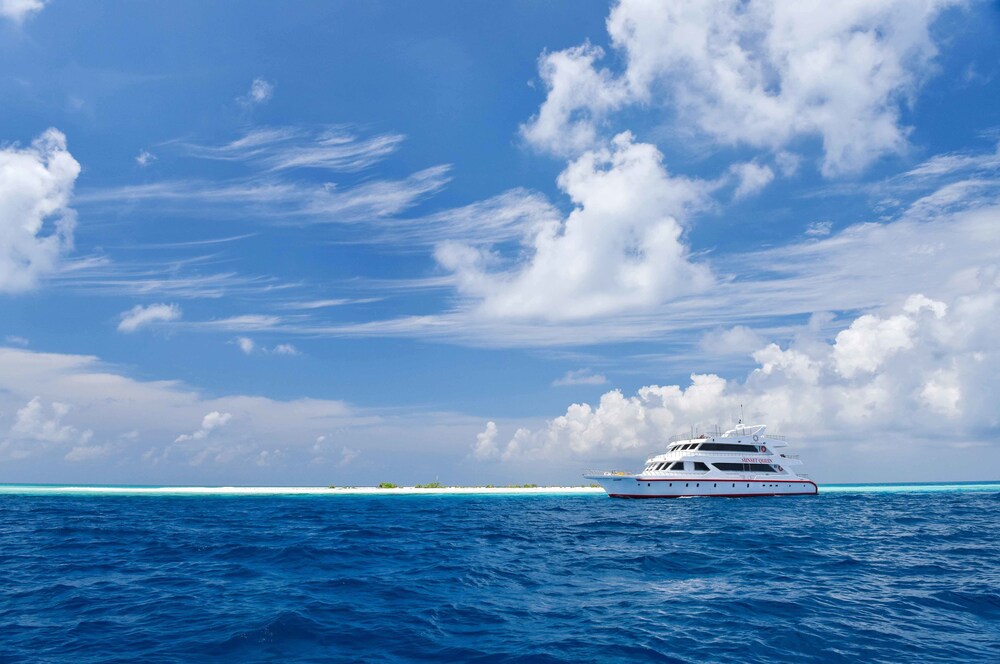
North Malé Atoll includes resort islands reachable by speedboat or public ferry. These islands offer overwater villas, private beaches and all-inclusive stays. They are a good choice if you want a resort experience without a seaplane transfer. Each island has its own character; research the facilities and activities before booking. For a short trip, stay in Hulhumalé or Malé city to maximise time on the water.
- Malé city: budget-friendly, close to shops and restaurants.
- Hulhumalé: modern hotels, near the airport and beach.
- North Malé Atoll: resorts with water sports and privacy.
What to do in Malé
Malé is small but has several landmarks. Visit the Old Friday Mosque (Hukuru Miskiy), built in 1656 with coral stone carvings. The nearby Islamic Centre houses the Grand Friday Mosque, a modern building with a golden dome. The National Museum in the Sultan Park complex displays artefacts from Maldivian history, including sultanate thrones and weaponry. Stroll along the waterfront at Boduthakurufaanu Magu, where fishing boats and dhoni line the harbour.
The artificial beach on the eastern side is a place to relax, though swimming is limited. Markets such as the Local Market (also called the Fish Market) offer a glimpse of daily life; visit in the late afternoon to see the catch being sold. Wear modest clothing when visiting mosques: cover shoulders and knees. The city is walkable, but taxis are available for longer trips.
Food and dishes
Maldivian cuisine relies on coconut, fish (especially tuna) and rice. Try mas huni, a breakfast dish of shredded smoked fish, coconut and onion, eaten with roshi (flatbread). Garudhiya is a clear fish broth served with lime and chilli. For a snack, bajiya (fish-filled pastries) or kulhi borkibaa (fish cakes) are common. Street food stalls sell short eats (hedhikaa) such as samosas and fish rolls.
Malé has many small eateries and cafés serving local food alongside Indian, Sri Lankan and Chinese options. Desserts include bondibaiy (a semolina cake) and sweetened coconut milk. Drink fresh coconut water or saagu (sugarcane juice). No business names are listed here; explore the streets around Majeedhee Magu. Tap water is desalinated and safe, but most visitors drink bottled water.
Getting around and practical tips
Malé is walkable; the island is about 1.7 km long and 1 km wide. Taxis are available for short trips; agree on the fare before starting. Public ferries connect Malé to Hulhumalé and some nearby islands; they are cheap and reliable. Speedboats are faster and cost more; book through your hotel or at the jetty. The Maldives uses the Maldivian rufiyaa (MVR), but US dollars are widely accepted.
Carry cash for small purchases. The climate is tropical: temperatures stay around 28–32 °C year round. The dry north-east monsoon runs from December to April, which is the best time for clear skies and calm seas. Sunscreen, sunglasses and a hat are essential. Friday is the weekly holiday; many shops and offices close for midday prayers. Indian rupees are not commonly used; exchange them at the airport or a bank.