Staying in Deccan & FC Road, Pune
Deccan Gymkhana and Fergusson College Road form the intellectual and social heart of Pune. Irani cafés, bookshops and student energy define this compact, walkable area.

What the area is like
Deccan Gymkhana, often called Deccan, and Fergusson College Road (FC Road) are the academic and cultural spine of central Pune. Fergusson College, founded in 1885, sits at the top of FC Road, and the streets are lined with Irani cafés, old bakeries, snack stalls and second-hand bookshops. The atmosphere is lively but not chaotic, with students, office workers and families moving through the day. The area has a strong local identity and is not a tourist strip, which gives it an authentic, everyday feel that many visitors appreciate.
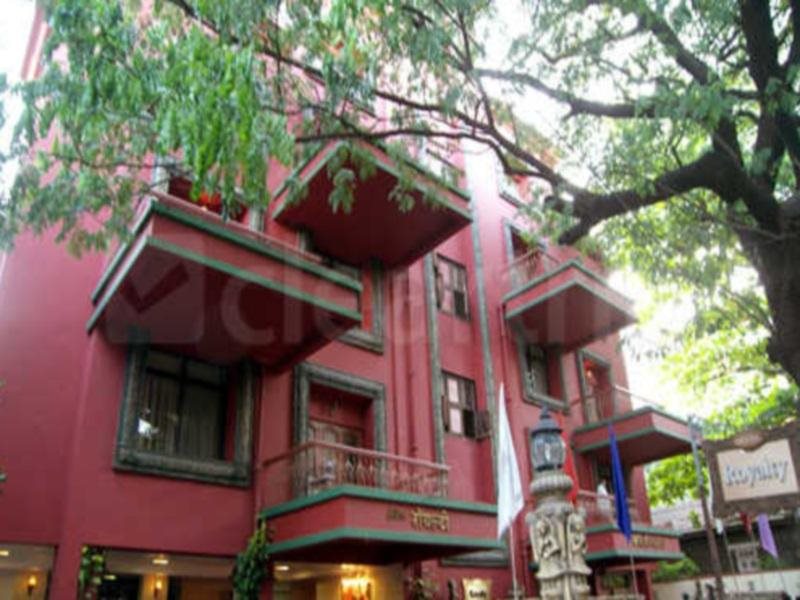
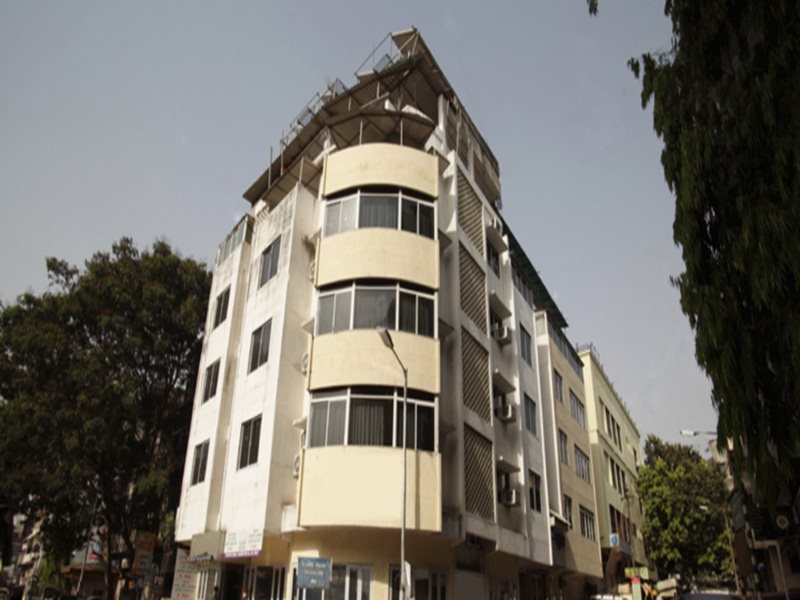
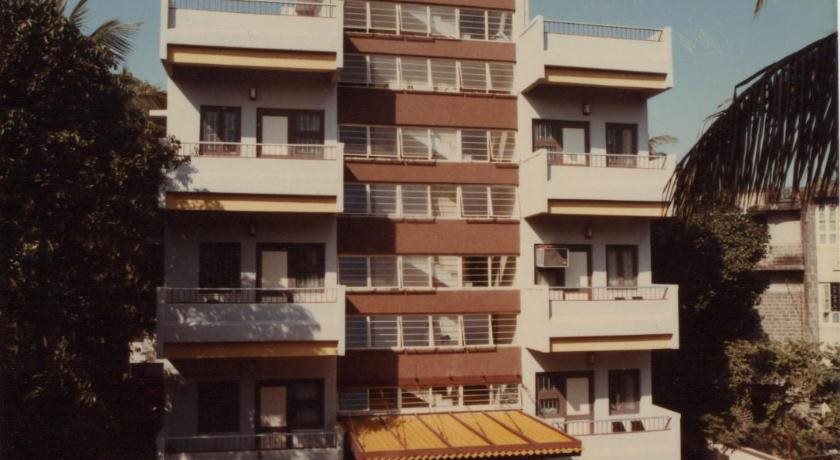
The area is compact and relatively flat, making it one of the most walkable parts of Pune. JM Road and FC Road form a rough loop, and most sights, eateries and shops are within a ten-minute walk. The architecture mixes colonial-era bungalows, mid-century apartment blocks and modern commercial buildings. It feels more settled and less corporate than Koregaon Park or Viman Nagar. The streets are busy during college hours but quiet down in the late evening, offering a good balance of energy and calm.
- Irani cafés serve bun maska and chai at low tables.
- Second-hand bookshops on FC Road sell English and Marathi titles.
- The area has a strong local identity, not a tourist strip.
Who it suits
Deccan and FC Road suit independent travellers who want to be in the middle of Pune's everyday life. It appeals to solo visitors, students, academics, and anyone interested in history, food and books. The area is not designed for luxury resort-style stays; it rewards those who enjoy exploring on foot and eating at simple, long-running establishments. The compact layout means you can cover a lot of ground without needing transport, which suits budget-conscious travellers and those on short visits.
Families with older children will find the area convenient and safe, though the streets can be busy during college hours. Business travellers heading to Hinjewadi or other IT parks will need to commute, as this area is residential and academic, not corporate. It is less suited to those seeking nightlife or quiet, leafy suburbs. The area works well for travellers who want to experience Pune's cultural and intellectual life without the distractions of commercial entertainment.
Getting around
Deccan Gymkhana is well connected by Pune Metro. The Aqua Line runs from Vanaz through Deccan Gymkhana station to the district court, Pune Railway Station and beyond. The Purple Line connects Pimpri to Swargate via Shivajinagar. Check the current network for extensions and timings. Auto-rickshaws are plentiful and metered, and app-based taxis are easy to book. The area is also served by PMPML buses, though schedules can be irregular. For short trips, walking is often the fastest option.
Pune Junction railway station is about 3.8 km away, a ten-minute auto ride. The airport at Lohegaon is 11 km north-east, about 30 to 45 minutes by taxi depending on traffic. Swargate bus stand is 2.9 km south, and Shivajinagar bus stand is about 2 km north-west. For longer trips, the Mumbai–Pune Expressway is accessible via the bypass roads. Bicycle rental is available from a few shops near the college, and the flat terrain makes cycling a viable option for local exploration.
- Deccan Gymkhana metro station is on JM Road.
- Auto-rickshaws charge by the metre; confirm the driver uses it.
- Bicycle rental is available from a few shops near the college.
What is nearby
Within a 2 km radius you will find the Pataleshwar caves, an 8th-century rock-cut Shiva temple on Jangli Maharaj Road. The old city centre, with Shaniwar Wada, the Dagdusheth Halwai Ganpati temple and the Raja Dinkar Kelkar Museum, is about 1.5 km east. Tulshibaug market, a busy bazaar for textiles and household goods, is a short walk from Shaniwar Wada. The Pataleshwar caves are free to enter and offer a quiet respite from the street noise.
Parvati Hill, topped with Peshwa-era temples, is about 3 km south. The hill offers a view of the city and the Mula-Mutha rivers. The Aga Khan Palace, where Mahatma Gandhi was interned, is about 5 km north-east. For a longer excursion, Sinhagad fort is about 35 km south-west, and the Lonavala hill stations are about 65 km towards Mumbai. Shaniwar Wada has a light-and-sound show in the evening, and Tulshibaug market is best visited in the morning when it is less crowded.
- Pataleshwar caves are free to enter.
- Shaniwar Wada has a light-and-sound show in the evening.
- Tulshibaug market is best visited in the morning.
Eating in Deccan and FC Road
This area is the heart of Pune's food culture. Irani cafés serve bun maska, chai and keema pav at worn tables. Snack stalls sell vada pav, misal pav and bhel puri from morning until late. Bakeries produce Shrewsbury biscuits and bakarwadi, a crisp, spiced snack. Mastani, a thick milkshake with ice cream, is a local invention available at several outlets. The variety of food reflects the area's diverse population, with options ranging from quick street snacks to sit-down meals.
For a full meal, look for Puneri thali restaurants that serve a set meal of dal, rice, chapati, vegetables, papad and sweet. Many eateries on FC Road and JM Road are vegetarian, but non-vegetarian options are common in the Irani cafés. The area also has south Indian, Chinese and North Indian options. Avoid naming any specific business; instead, walk and choose by the crowd. Try misal pav for breakfast; it is spicy, filling and a Pune staple. Ask for a mild version if you are not used to heat.
Safety and practical tips
Deccan and FC Road are safe during the day and early evening. The streets are well lit and busy until about 10 pm. Keep valuables secure in crowded markets and on public transport. Solo female travellers report feeling comfortable, but use app-based taxis or auto-rickshaws after dark rather than walking alone on quieter side streets. The area has several ATMs and pharmacies, and most shops and cafés accept digital payments.
Carry a reusable water bottle; filtered water is available at many hotels. The climate is dry and mild from October to February, hot from March to May, and wet during the monsoon from June to September. Pack accordingly and check local weather before your trip. During Ganeshotsav in August or September, the area sees large processions and street closures. Check dates and plan transport in advance. The monsoon makes trails slippery, so avoid hiking in the Sahyadri hills during heavy rain.