Staying in Old City · Peths, Pune
The Peshwa-era core of Pune: narrow lanes, wadas, temple spires and markets. This guide covers everything you need to know about staying here.

What the area is like
The Old City Peths are the historic heart of Pune. This is where the Peshwas built their capital in the 18th century. The neighbourhoods of Shaniwar, Sadashiv, Budhwar and Kasba peths form a dense warren of streets lined with old wadas (traditional courtyard houses), small temples and family-run shops. The atmosphere is lively and crowded, especially during festivals. Traffic moves slowly through narrow lanes. Street vendors sell everything from flowers to electronics. The area feels authentic and unpolished, a contrast to the newer suburbs.
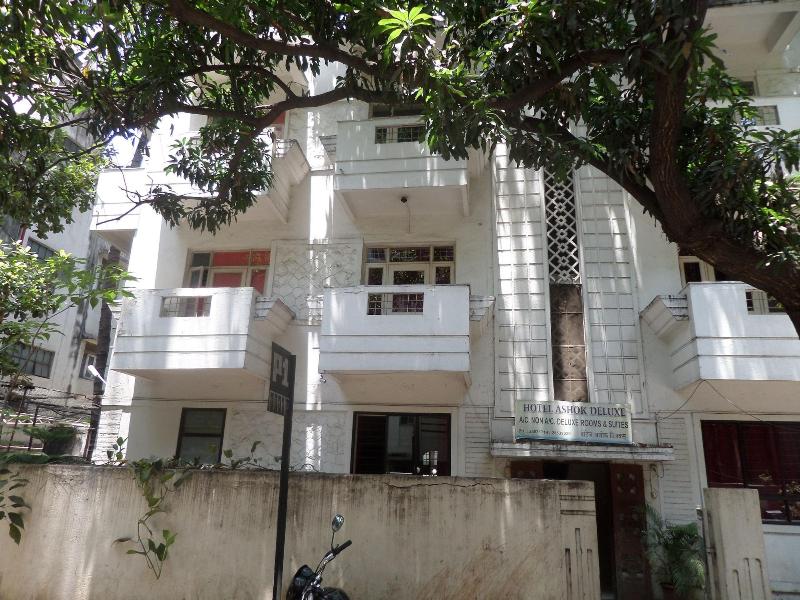
Staying here means being in the middle of Pune's cultural and religious life. You will hear temple bells and the calls of hawkers. Many buildings show their age, with peeling paint and exposed wiring. The streets are busy from early morning until late evening. At night, the main roads quieten but smaller lanes can feel deserted. The area is not sanitised for tourists; it is a working city centre. This suits travellers who want to experience Pune as it has been for centuries, not a curated version.
Who it suits
The Old City Peths suit independent travellers, history enthusiasts and pilgrims. If you are visiting for the Ganeshotsav festival, this is the epicentre of the celebrations. The area also appeals to budget-conscious travellers. Accommodation here tends to be more affordable than in Koregaon Park or Viman Nagar. The proximity to major temples and heritage sites means less time spent commuting. Families with older children may find it interesting, but the noise and lack of pavements can be challenging with toddlers.
The area is less suitable for business travellers who need quick access to Hinjewadi or the airport. It is also not ideal for those seeking quiet, luxury or green spaces. Nightlife is minimal; bars and pubs are rare. If you prefer a calm, resort-style stay, look elsewhere. The Peths reward curiosity and a willingness to navigate chaos. You will need to be comfortable with honking horns, crowded footpaths and the occasional cow blocking your path.
- Suits history lovers, pilgrims and budget travellers.
- Not ideal for business travellers or those seeking quiet.
- Best for visitors who enjoy walking and street food.
Getting around
The Old City is walkable for short distances, but the lanes are narrow and traffic is constant. Use the Pune Metro for longer journeys. The Aqua Line has stations at Deccan Gymkhana and Pune Railway Station, both within easy reach. The Purple Line stops at Shivajinagar and Swargate. Check the current network map as new lines open. Auto-rickshaws are plentiful; agree on a fare before starting. Buses from Swargate and Shivajinagar connect to other parts of the city.
To reach Pune International Airport, allow 30 to 45 minutes by auto-rickshaw or taxi, depending on traffic. The route passes through congested areas such as Shivajinagar and Yerwada. Pune Junction railway station is about 2.3 km away, a 10-minute auto ride. For long-distance buses, Swargate bus station is 2.2 km south. The Mumbai–Pune Expressway is accessible via the bypass road, about 20 minutes by vehicle. Walking to Shaniwar Wada takes less than five minutes from most parts of the Peths.
What is nearby
The main sights are within walking distance. Shaniwar Wada, the Peshwa palace, is the centrepiece. Lal Mahal, where Shivaji spent his boyhood, is a two-minute walk. Dagdusheth Halwai Ganpati temple draws large crowds daily. Tulshibaug market sells spices, textiles and household goods. Pataleshwar caves, an 8th-century rock-cut temple, are a 15-minute walk north. Raja Dinkar Kelkar Museum displays a private collection of artefacts. Parvati Hill, with its temple and city views, is a 20-minute walk south.
Beyond the immediate area, Koregaon Park is 4.5 km away, offering cafes and green spaces. The Aga Khan Palace, where Gandhi was held, is about 6 km north-east. Sinhagad fort is a 35 km drive south-west, best done as a day trip. Lonavala and Khandala are about 65 km west on the expressway. The Chaturshringi temple, a major Navratri site, is 5 km north. The area is also close to several colleges, reflecting Pune's reputation as the Oxford of the East.
- Shaniwar Wada, Lal Mahal and Dagdusheth Ganpati are within 500 metres.
- Tulshibaug market is good for spices, fabrics and souvenirs.
- Pataleshwar caves and Raja Dinkar Kelkar Museum are a short walk away.
Eating
The Old City Peths are a stronghold of traditional Maharashtrian food. Misal pav, a spicy sprouted bean curry with bread, is a breakfast staple. Vada pav, a fried potato dumpling in a bun, is sold at countless stalls. Bakarwadi, a crisp spiral snack, is a local speciality. Mastani, a thick milkshake topped with ice cream, is a Puneri invention. Irani cafés serve bun maska and chai. The area also has many small eateries offering thalis, dosas and bhel puri. Street food is cheap and abundant.
You will find few international cuisines here. The focus is on local, vegetarian food, though some places serve chicken and fish. Meals are often eaten at small tables or standing at counters. Hygiene varies; choose stalls with high turnover. Many sweet shops sell Shrewsbury biscuits and pedas. For a full meal, look for a thali restaurant that serves a multi-course vegetarian spread. The area has no large supermarkets; buy fresh produce at the Tulshibaug market. Eating here is an essential part of the Old City experience.
Safety and practical tips
The Old City Peths are generally safe, but you should take usual precautions. Keep valuables out of sight in crowded markets. Pickpocketing can occur in tight spaces. Women should dress modestly, covering shoulders and knees, especially near temples. The area is well-lit on main roads but darker in alleys at night. Stick to main streets after dark. Traffic is chaotic; look both ways even on one-way lanes. Pedestrians do not have priority. Use crosswalks where available, though they are rare.
Practical tips: carry cash, as many small shops and stalls do not accept cards. Keep a bottle of water, especially in hot months. The monsoon season (June to September) brings heavy rain and slippery streets. Some lanes flood; wear waterproof footwear. During Ganeshotsav, the area is extremely crowded. Plan for road closures and longer travel times. Learn a few Marathi phrases; locals appreciate the effort. The nearest pharmacy and medical clinic are on Laxmi Road. For emergencies, dial 112.