Shaniwar Wada: visitor guide
The fortified palace of the Peshwas, who ruled the Maratha Empire from Pune for nearly a century.

Bajirao I, the Peshwa (prime minister) of the Maratha Empire, laid the foundation of Shaniwar Wada in 1730 and completed it in 1732. The name comes from Shaniwar, Saturday — the day the foundation was laid. For almost 90 years it was the seat of Peshwa power, until the British took Pune in 1818. In 1828 a great fire burned for days and destroyed most of the buildings inside, leaving the massive walls, gates and garden foundations you see today.
What to see
- Delhi Darwaza — the main gate, studded with iron spikes to stop elephant charges.
- The fortification walls and bastions, which you can walk along in places.
- The foundations of the palace halls and the lotus-shaped Hazari Karanje fountain.
- The statue of Bajirao I outside the main gate.

The evening show
A sound-and-light show in the evenings tells the story of the Peshwas, including the murder of the young Peshwa Narayanrao inside the palace in 1773 — the origin of the legend that the wada is haunted. Shows are in Marathi and English on different slots; check timings locally.
The Peshwas in brief
The Peshwas began as chief ministers to the Maratha kings descended from Shivaji. From 1713, Balaji Vishwanath and his son Bajirao I turned the office into the real centre of power, and the Maratha Empire expanded across much of India. Pune, their base, grew from a small town into a political capital, with new peths (wards), temples, gardens and water systems — many of which still shape the old city.
Bajirao I is remembered as one of India’s great cavalry generals, and his romance with Mastani is the subject of novels and films. A small gate in the walls, the Mastani Darwaza, is named after her.

The five gates
- Delhi Darwaza — the grand north-facing main gate.
- Mastani (Alibahadur) Darwaza — used by Mastani, according to tradition.
- Khidki Darwaza — a small gate with a window-like opening.
- Ganesh Darwaza — near the Ganesh Rang Mahal, used by women of the household.
- Narayan Darwaza — through which the body of the murdered Narayanrao was taken.
Legends and ghost stories
In 1773 the 17-year-old Peshwa Narayanrao was assassinated inside the palace in a conspiracy linked to his uncle Raghunathrao. Local legend says his cries of ‘Kaka, mala vachva!’ (‘Uncle, save me!’) can still be heard on full-moon nights. Historians treat it as folklore, but it adds a shiver to the evening visit.
Walking the old city from here
- Kasba Ganpati — Pune’s presiding deity, a five-minute walk away.
- Lal Mahal — a reconstruction of Shivaji’s childhood palace nearby.
- Dagdusheth Halwai Ganapati — about 10 minutes south.
- Tulshibaug market — brass, copper and household goods.
- Vishrambaug Wada — a later Peshwa mansion with fine wooden carving.
Practical information
- Opening: typically from morning until early evening; check current hours.
- Tickets: sold at the gate; foreigners pay a higher fee.
- Photography: allowed in the grounds.
- Accessibility: uneven ground and steps; the main lawns are flat.
Where to stay
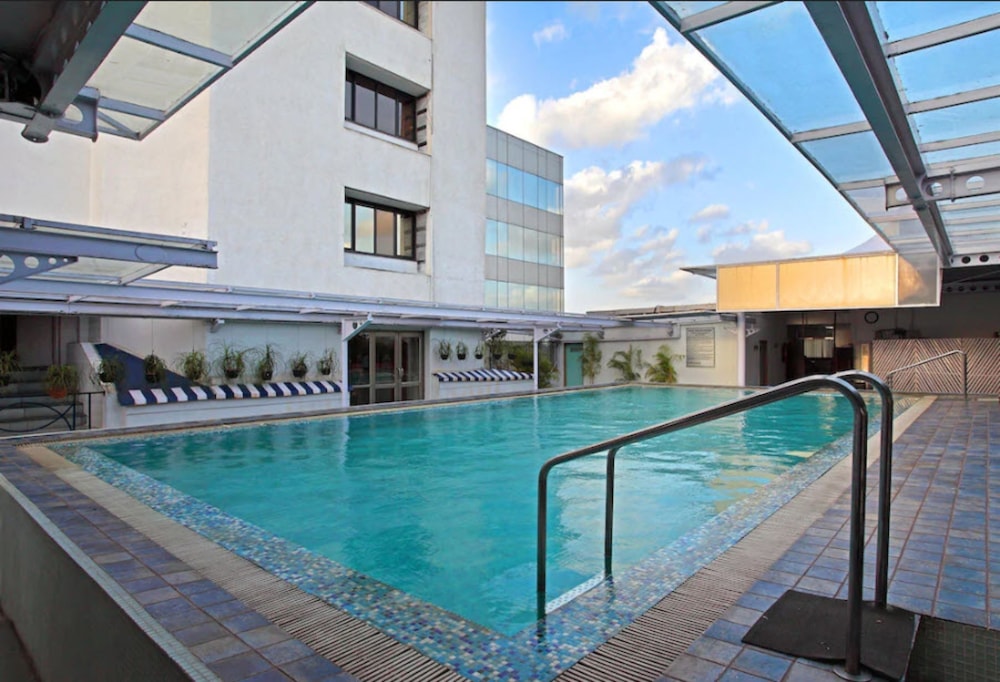
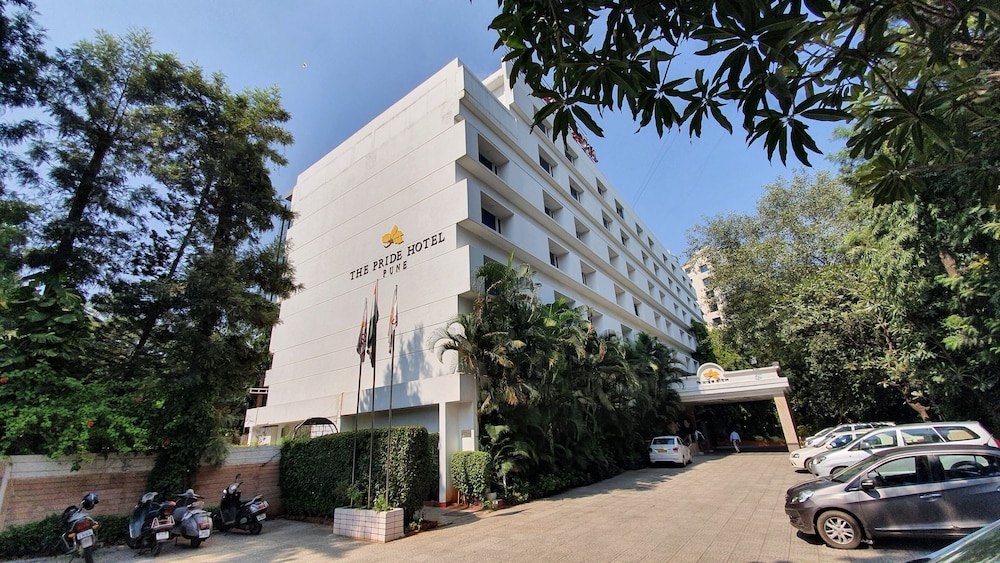
The old city peths and Deccan are 5–15 minutes away, with simple hotels and guesthouses. Camp and Koregaon Park are 20–30 minutes, with more comfortable options. During Ganeshotsav, the area becomes the heart of the festival — book well ahead if you want to stay close.
Planning Your Visit
Shaniwar Wada sits in the old part of Pune, near the Mula-Mutha river. The site opens daily, but timings can change with seasons or holidays. An entry fee applies for Indian and foreign visitors. You can buy tickets at the gate. The fort is busiest in the mornings and on weekends, so plan accordingly. Carry water and wear comfortable shoes, as the grounds are large. The sound and light show in the evening offers a different perspective on the fort's history. Check the schedule for this show at the ticket counter, as it may not run every day. Combining a visit with nearby sites like the Lal Mahal or the busy markets of the old city can make for a fuller day exploring Pune's heritage.
The Pune Metro's Purple Line has a stop at Shaniwar Wada, making access easy from other parts of the city. Auto-rickshaws and taxis are also available from most areas. Parking is limited near the fort, so using public transport is a good option. The area around Shaniwar Wada has several narrow lanes and old markets worth exploring on foot. These include the Shukrawar Peth area, known for its traditional shops and food stalls. You can find items like local snacks and handicrafts. Be prepared for crowds, especially during festivals like Ganeshotsav when the area becomes very busy. A morning visit often means fewer people and cooler weather for walking around the large fort grounds.
Understanding the History
Shaniwar Wada was the nerve centre of the Peshwa administration. It hosted grand ceremonies, councils and festivals. The fort's design blended Maratha and Mughal styles, with wooden galleries and ornate gates. The 1828 fire gutted the interior, leaving only the stone shell. The loss of the palace's original records and artworks is a significant historical gap. The Peshwa period shaped the city's culture, language and cuisine. A visit to Shaniwar Wada offers a tangible link to the Maratha Empire's peak and its dramatic end. The site also connects to the story of the young Peshwa Narayanrao, whose murder in 1773 is the basis for local ghost stories that add another layer to the fort's rich and complex past.
The fort's location was chosen for its strategic position on the banks of the Mula-Mutha river. The surrounding area, known as the Kasba Peth, is one of the oldest parts of Pune. Walking from Shaniwar Wada to the nearby Lal Mahal, where Shivaji spent his boyhood, shows the continuity of Maratha history in the city. The Pataleshwar caves, an 8th-century rock-cut temple, are also a short distance away and show a much earlier layer of Pune's history. Parvati Hill, with its Peshwa-era temples, offers a view of the entire city. Together, these sites help you understand how Pune evolved from a small settlement into the cultural and political capital of the Maratha Empire.