Mumbai from Pune: stay and explore
Mumbai is a short road or train journey from Pune. This guide covers where to stay, what to do, and how to get around.
Getting there from PNQ
From Pune International Airport, you can reach Mumbai by road or train. The road route uses the Mumbai–Pune Expressway, which takes about three hours depending on traffic. Trains from Pune Junction or Shivajinagar also run to Mumbai, with journey times around three to three and a half hours. Check current schedules before you travel, as timings change. The expressway climbs the Western Ghats near Lonavala and Khandala, offering views of the hills. Trains pass through similar terrain.
You do not need a flight. Carry a government photo ID for train tickets and any security checks. Heavy monsoon rain from June to September can delay road travel, so plan extra time. The journey is straightforward, but it is wise to book train tickets in advance, especially on weekends. The expressway has tolls, so keep cash or a digital wallet ready. Monsoon landslides can occasionally close the expressway, so check local advisories before setting out. Leave early morning to avoid peak traffic; the road is smoother before 8 am.
- Book train tickets in advance, especially on weekends.
- The expressway has tolls; keep cash or a digital wallet ready.
- Monsoon landslides can close the expressway; check local advisories.
Areas to stay
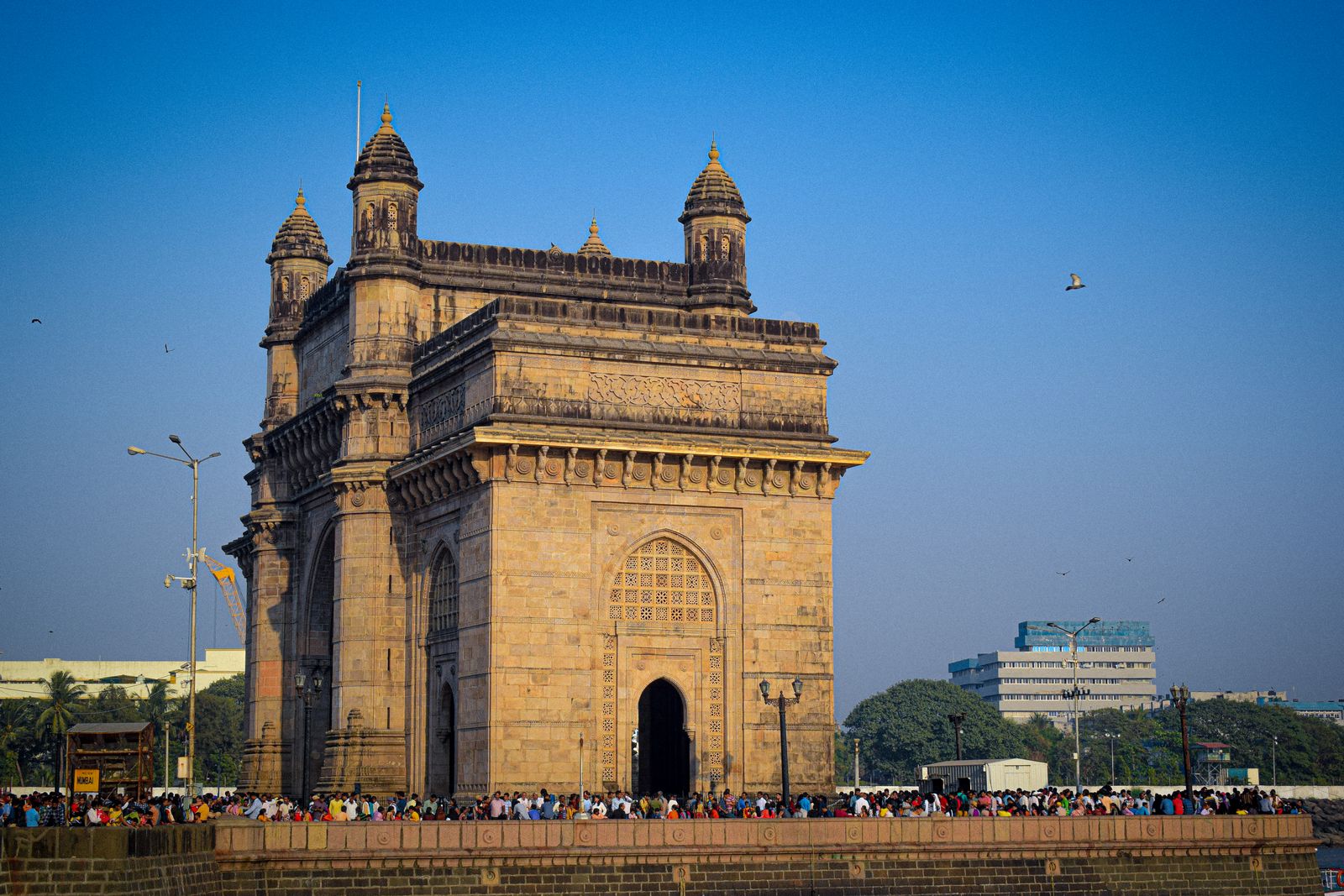
Colaba and Fort suit first-time visitors. This colonial-era district has the Gateway of India, museums, and easy access to the seafront. It is walkable but can be crowded. Bandra is a lively suburb with a mix of old and new, known for its cafes and street art. It is well connected by road and rail. Juhu offers a beachside stay, with the Arabian Sea nearby. Andheri and the airport area are practical for short trips or late arrivals, with many mid-range options.
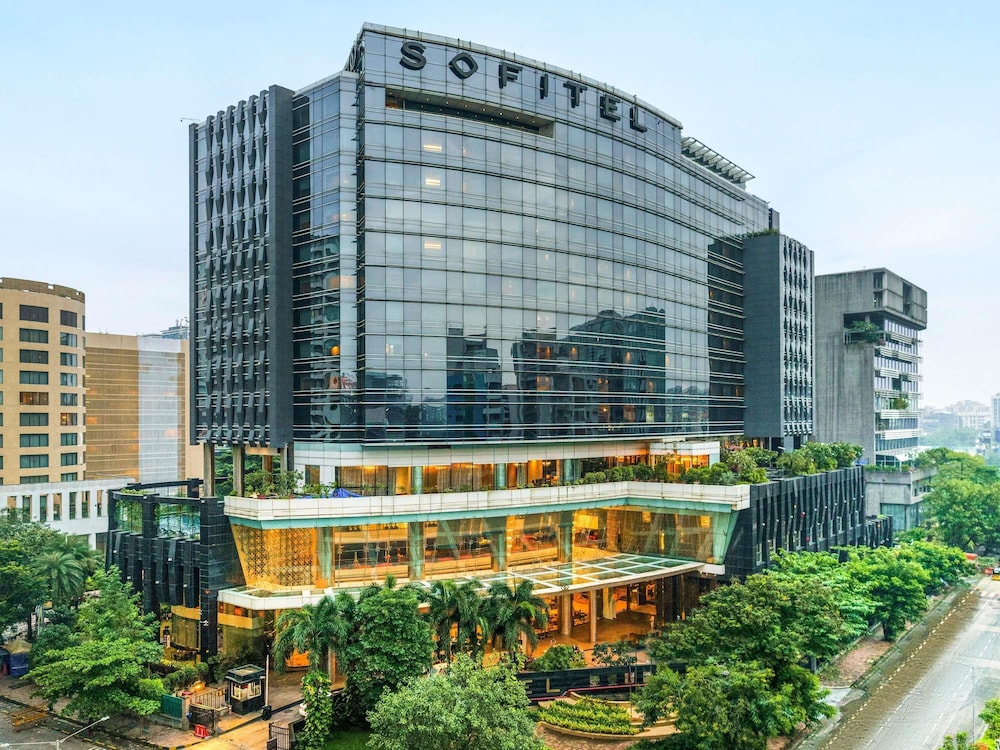
Lower Parel is a former mill district, now with high-rise hotels and shopping malls. Choose based on your itinerary and budget. Each area has its own character. Colaba and Fort give you history, Bandra offers a local vibe, Juhu is relaxed, and Lower Parel is modern. Andheri is convenient for the airport but less scenic. Consider your main activities when picking a base. Book accommodation in advance during November to February, as Mumbai sees many visitors then.
- Colaba and Fort are close to the Gateway of India and the Chhatrapati Shivaji Maharaj Vastu Sangrahalaya museum.
- Bandra has a mix of heritage buildings and modern eateries.
- Juhu beach is a popular spot for evening walks.
- Andheri and airport hotels are handy for early departures.
What to do
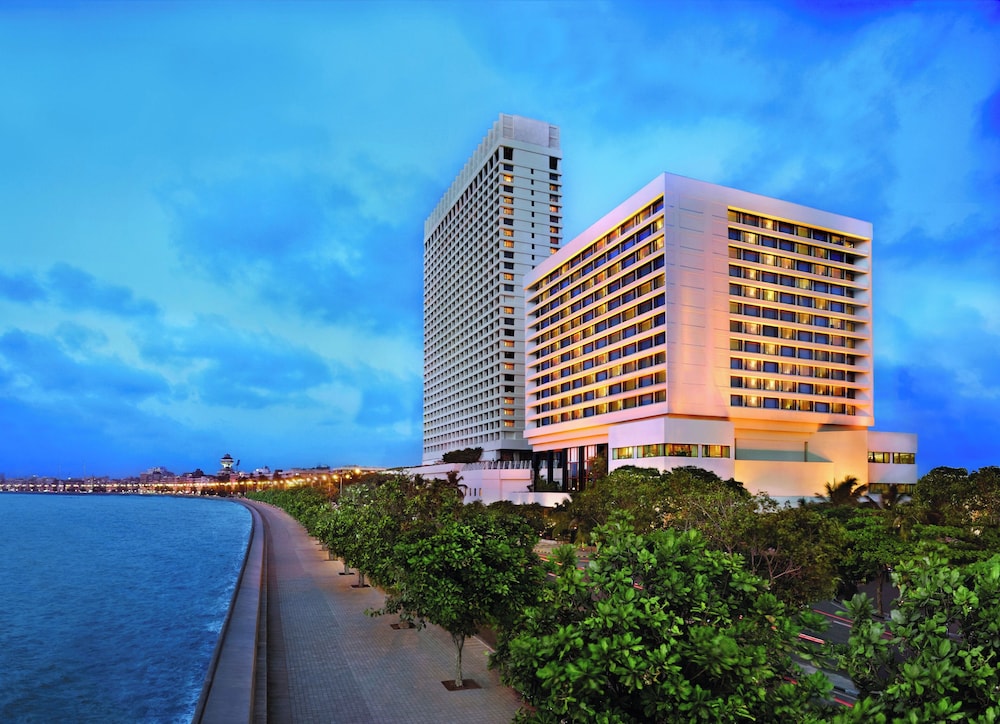
Start with the seafront. Walk along Marine Drive, also called the Queen's Necklace, especially at sunset. The Gateway of India and the nearby Taj Mahal Palace hotel (a public landmark) are worth seeing. The colonial Fort district has Victorian Gothic buildings, including the Bombay High Court and the University of Mumbai. Visit the Chhatrapati Shivaji Maharaj Vastu Sangrahalaya for art and history.
For a quieter experience, take a ferry to Elephanta Island, a UNESCO site with rock-cut caves. The city also has parks and gardens, such as the Hanging Gardens on Malabar Hill, which offer views of the skyline. Mumbai is a film city, and you might spot shooting locations. The Film City in Goregaon is not always open to the public, but you can see Bollywood posters and studios from outside. For a different perspective, ride the local trains, which are an experience in themselves, though they can be crowded.
Food to try
Mumbai's street food is famous. Try vada pav, a spicy potato fritter in a bun, and pav bhaji, a mashed vegetable curry with bread. Bhel puri and sev puri are light snacks sold on beaches and streets. For a sweet treat, have a kulfi or a falooda, a rose-flavoured drink with vermicelli and basil seeds. For a sit-down meal, try a traditional thali, which includes rice, bread, vegetables, and dal.
Seafood is fresh along the coast, with dishes like bombil fry (Bombay duck) and prawn curry. Irani cafes serve bun maska and chai, a legacy of the city's Persian immigrants. The food is varied, so explore different areas. Be cautious with street food if you have a sensitive stomach. Drink bottled water and choose busy stalls, which indicate fresh food. Mumbai also has a range of vegetarian options, from Gujarati snacks to South Indian dosas, so there is something for every palate.
Getting around
Mumbai has a suburban rail network, the lifeline of the city. Trains run frequently on the Western and Central lines, but they are crowded during peak hours. The metro and monorail cover some parts, though the network is still expanding. Check the current routes and fares. Buses, operated by the Brihanmumbai Electric Supply and Transport (BEST), cover most areas. Auto-rickshaws are common in the suburbs, but they do not enter the island city (south of Bandra).
Taxis, including app-based ones, are available throughout. Walking is feasible in Colaba and Fort, where attractions are close. For longer distances, consider using the local trains, but avoid them between 9 am and 11 am and 6 pm to 8 pm, when they are extremely crowded. App-based taxis offer comfort but can be slow in traffic. Plan your routes ahead and allow extra time for congestion, especially during rush hours. The city is large, so choose your transport based on your destination.