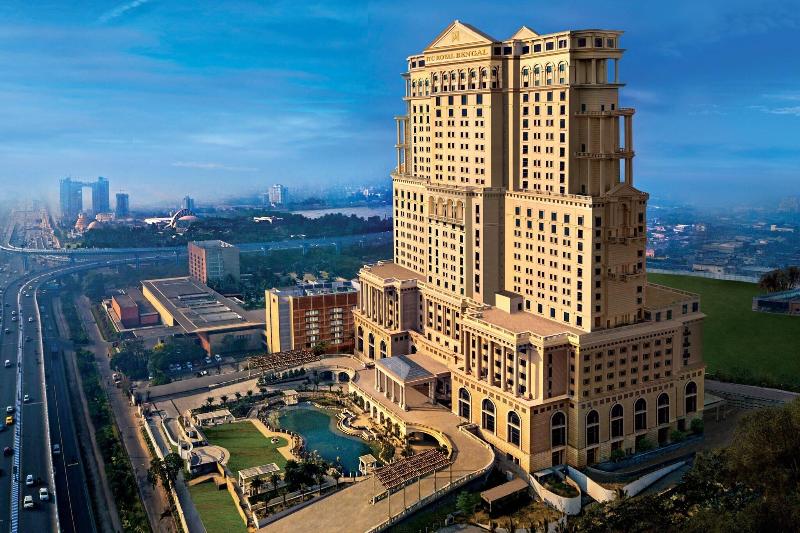
Kolkata from Pune: where to stay and what to do
A direct flight from Pune to Kolkata takes about 2.5 hours. This guide covers areas to stay, key sights, food and getting around.

Getting there from Pune
Pune International Airport (PNQ) has non-stop flights to Netaji Subhas Chandra Bose International Airport (CCU) in Kolkata. The flight time is about 2 hours 30 minutes. Airlines and schedules change, so check current listings before booking. A government photo ID is required for domestic flights. The airport in Kolkata is about 15 km from the city centre, and taxis and app-based services are available outside the terminal.
An alternative is the train. The Howrah–Pune Duronto Express and other trains connect Pune Junction to Howrah or Kolkata stations. The journey takes about 24 to 30 hours. Book tickets in advance through the official IRCTC website. The road distance is roughly 1,600 km, and driving is not recommended for most travellers. Buses also run between the two cities, but they take longer and are less comfortable than the train.
- Carry a government photo ID for flights and trains.
- Check flight schedules and fares online before booking.
- Trains from Pune Junction to Kolkata are available but take longer.
Areas to stay
Park Street is a central area with many hotels and restaurants. It is close to the Maidan, Victoria Memorial and the commercial district. Esplanade is near the main bus stand and Howrah Bridge. It is convenient for budget travellers and those using public transport. The area has a mix of old and new hotels, and it is well connected by metro and buses.
Salt Lake (Bidhannagar) and New Town are newer suburbs east of the city. They have modern apartments and hotels, and are close to the airport. These areas are quieter and more planned, with wider roads and less congestion. Ballygunge is a residential neighbourhood in south Kolkata, near the zoo and the Alipore area. It is quieter than the centre and offers easy access to the southern parts of the city.
What to do
Visit the Victoria Memorial, a white marble building set in large gardens. The museum inside displays paintings and artefacts from the British period. The Howrah Bridge (officially Rabindra Setu) is a cantilever bridge over the Hooghly River; walk across it for views of the river and the city. The Indian Museum on Chowringhee Road is one of the oldest museums in Asia, with collections of natural history and archaeology.
Durga Puja is the biggest festival in Kolkata, usually in September or October. The city is decorated with temporary temples (pandals), and the streets are crowded with processions. If you visit during this time, plan accommodation and transport well in advance. The Marble Palace, the Nehru Children's Museum and the Birla Planetarium are other options. The Maidan, a large urban park, is good for a walk or a ride on a horse-drawn carriage.
- Victoria Memorial: museum and gardens, entry fee applies.
- Howrah Bridge: free to walk across, best at sunrise or sunset.
- Indian Museum: large collection of natural history and archaeology.
- Durga Puja: check dates by the Hindu calendar each year.
Food and drink
Kolkata is known for its street food and sweet shops. Try puchka (the local version of pani puri), kathi rolls (paratha wrapped around spiced meat or vegetables) and churmur (a dry version of puchka). For a full meal, look for Bengali thalis that include rice, dal, fish curry and vegetables. Sweets such as rosogolla, sandesh and mishti doi are widely available. The city's sweet shops are famous across India, and each has its own specialities.
Irani cafés and old-school restaurants serve dishes like mutton chop, fish fry and Mughlai paratha. Many establishments are concentrated around Park Street, Esplanade and the New Market area. Kolkata also has a tradition of Chinese food, adapted to local tastes. The tangra area has many Chinese restaurants. For a light snack, try telebhaja (deep-fried fritters) with a cup of tea from a roadside stall.
Getting around and practical tips
Kolkata has a metro system, buses, trams and taxis. The metro is the fastest way to travel across the city; it runs from Dum Dum to Kavi Subhash and has a branch to Salt Lake. Trams are slow but historic. App-based taxis and auto-rickshaws are available. The yellow Ambassador taxis are iconic but negotiate fares before starting the journey. The metro is efficient during peak hours, and it connects major areas like Park Street and Esplanade.
The best time to visit is October to March, when the weather is cool and dry. Summers (April to June) are hot and humid; the monsoon (July to September) brings heavy rain. Carry a water bottle and wear comfortable shoes for walking. Kolkata is generally safe, but watch your belongings in crowded areas and on public transport. Use the metro during rush hour to avoid traffic jams. Keep small change for auto-rickshaws and trams.