Chennai from Pune: where to stay and what to do
A guide for travellers from Pune to Chennai. Covers flights, areas to stay, things to do, food, and getting around.

Getting there from PNQ
Chennai International Airport receives non-stop flights from Pune International Airport. The flight takes about 1 hour 45 minutes. Check current schedules, as timings and airlines change. The airport is about 20 km south of the city centre. Indian citizens do not need a visa or passport for domestic travel. Carry a government-issued photo ID for check-in and security. The airport has two terminals: one for domestic and one for international flights. Pre-paid taxis and app-based cabs are available outside arrivals. Allow at least 2 hours before departure for check-in and security. The airport has food courts and lounges for waiting passengers. Book flights in advance for better availability, especially around festivals.
Once you land, follow signs to the baggage claim area. The domestic terminal is connected to the international terminal by a walkway. Pre-paid taxi counters are located near the exit. App-based cabs can be booked from the arrival lounge. The drive to central Chennai takes about 30 to 60 minutes depending on traffic. The city has a well-connected road network. Avoid peak hours for a smoother ride. The airport also has a metro station on the Chennai Metro. This connects to places like Egmore and Central. Check the metro schedule for your destination.
- Book flights in advance for better availability, especially around festivals.
- Allow at least 2 hours before departure for check-in and security.
- The airport has food courts and lounges for waiting passengers.
Areas to stay
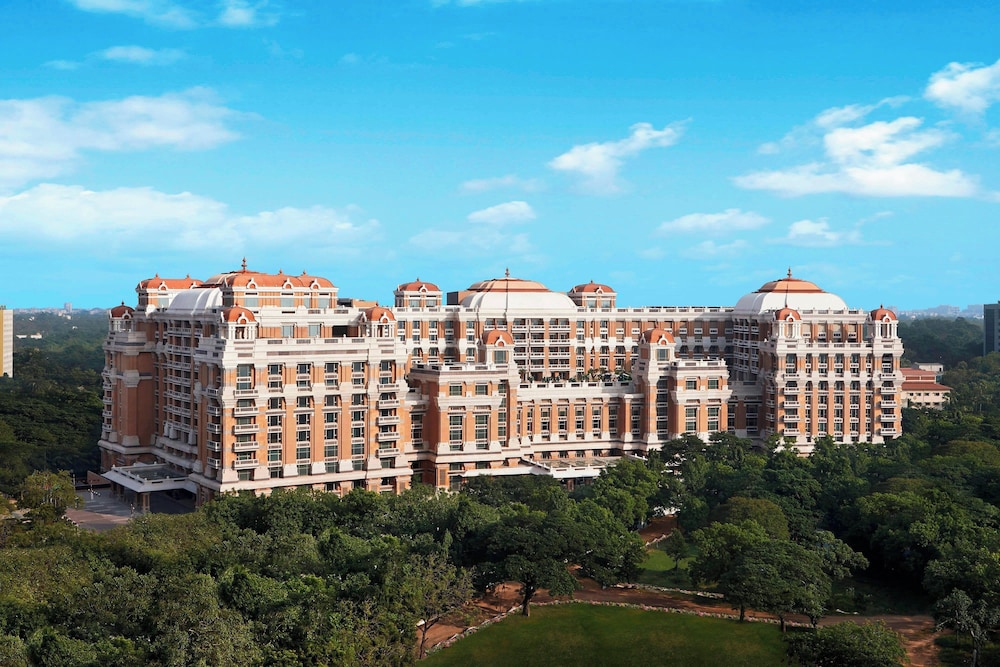
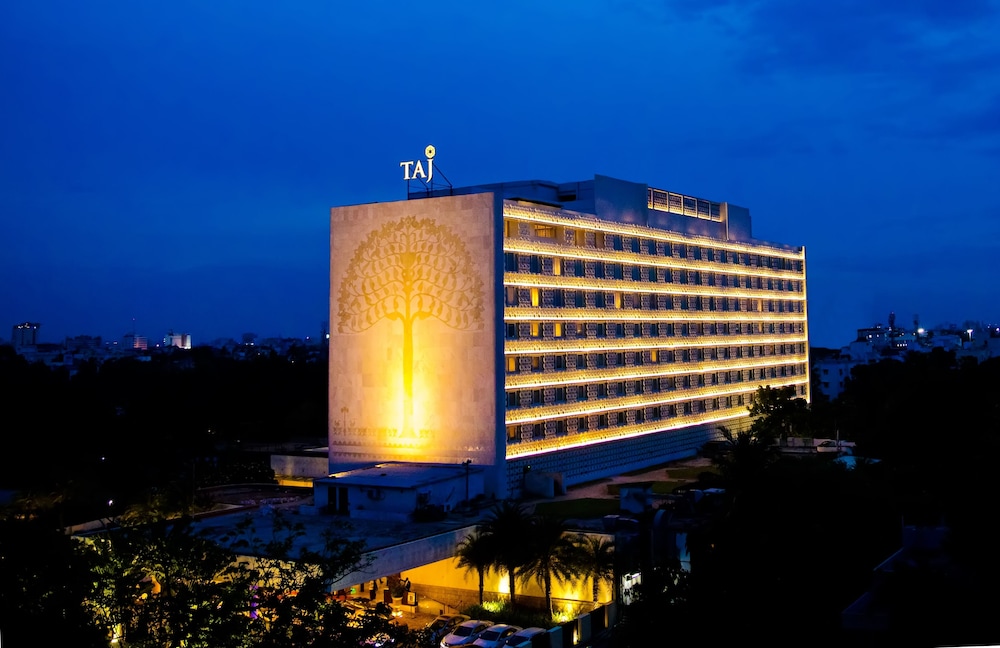
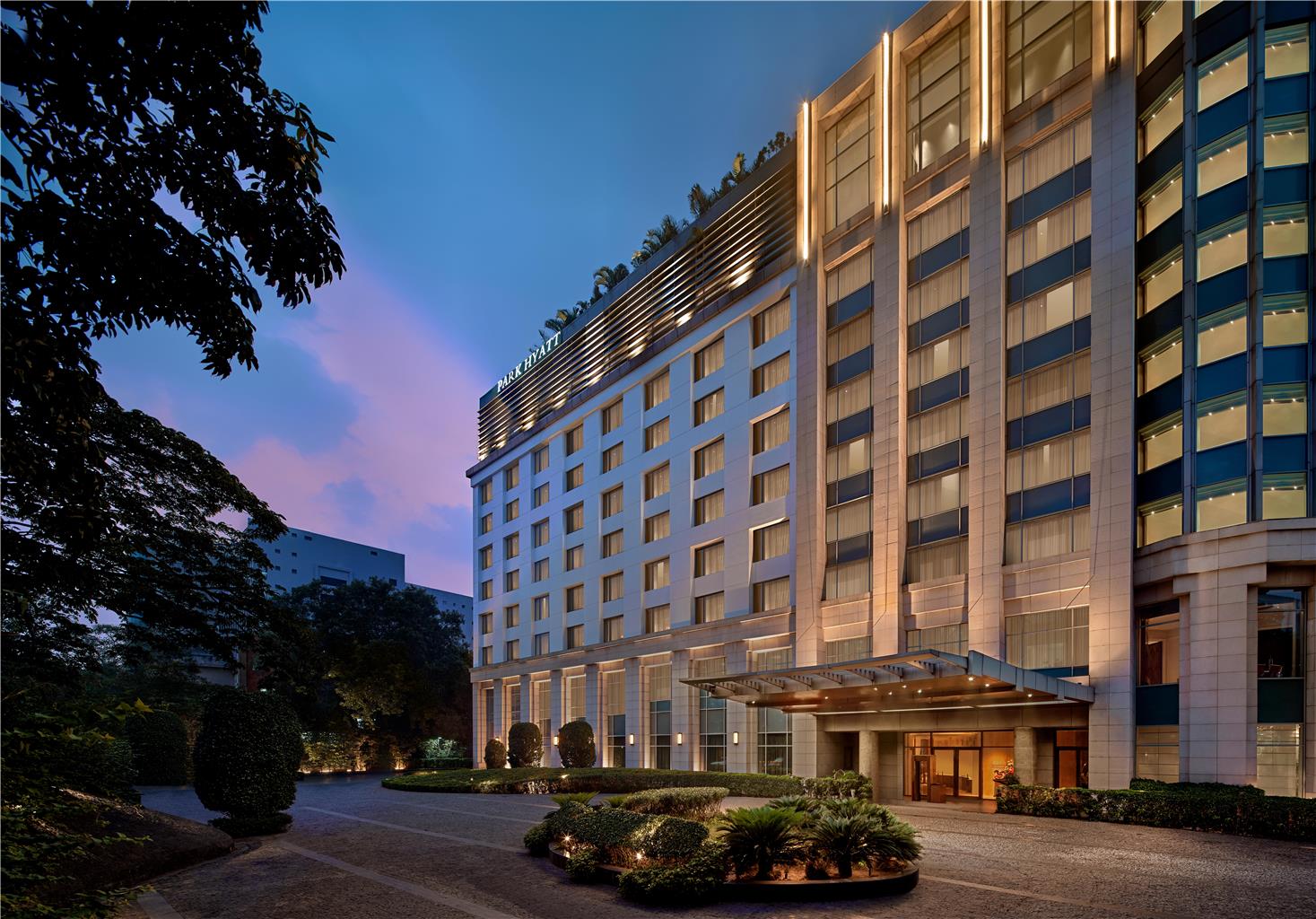
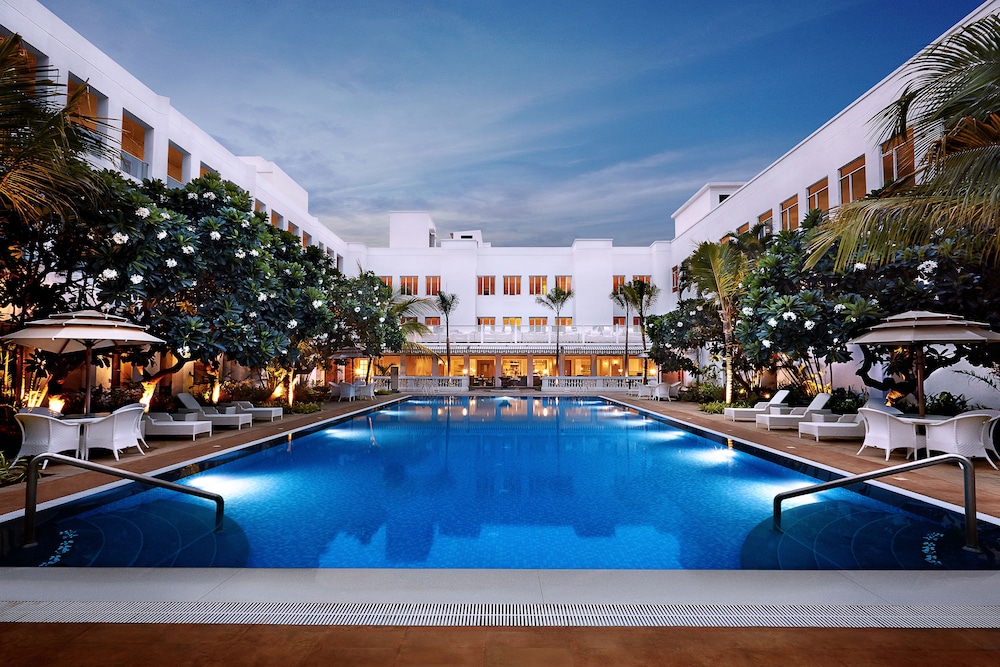
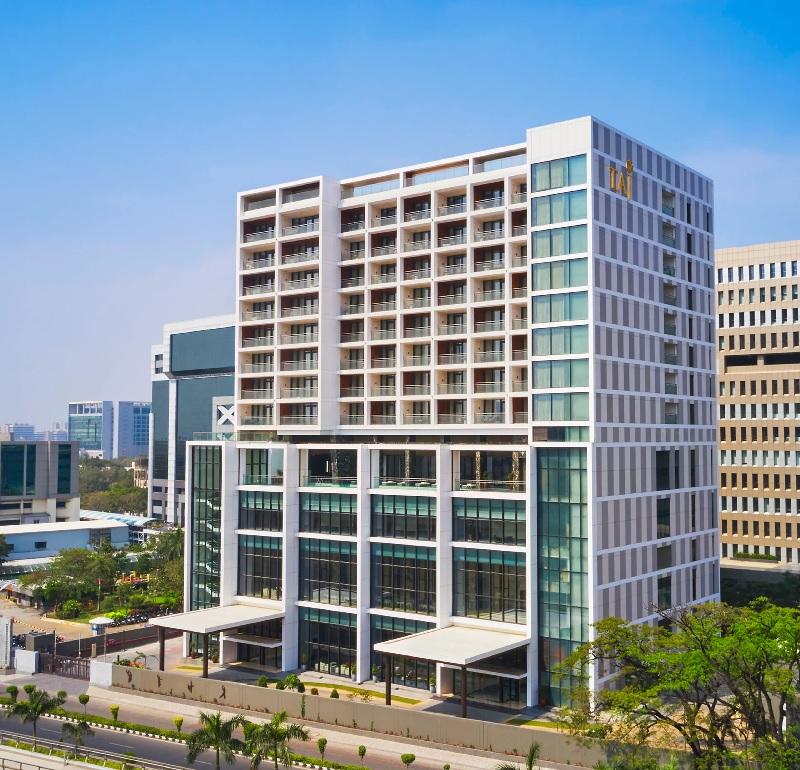
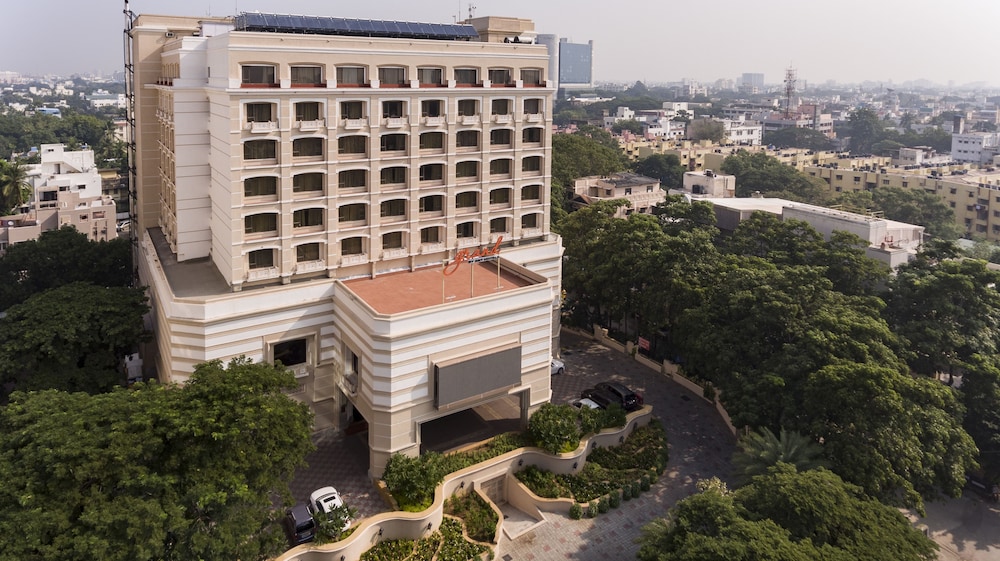
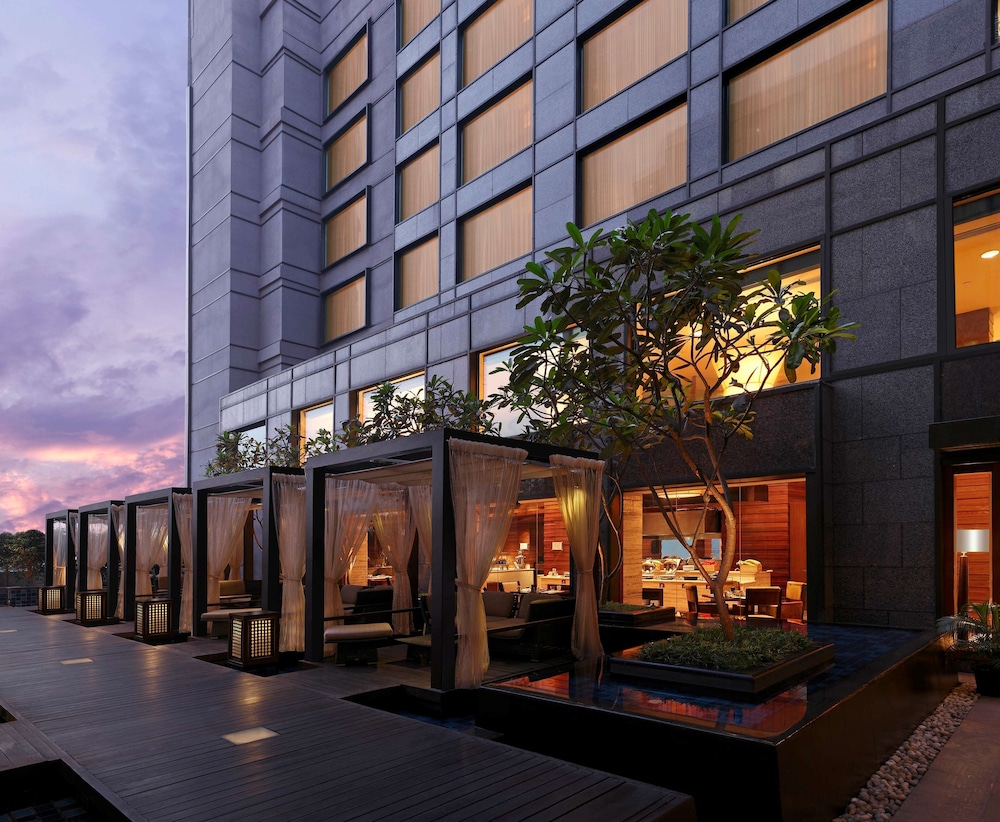
Egmore and Central Chennai is convenient for railway access and budget hotels. T. Nagar is a shopping hub with textile stores and jewellery shops. Mylapore is the cultural heart, with temples and traditional homes. Nungambakkam has mid-range and upscale hotels, restaurants, and offices. Near the airport, hotels cater to transit travellers. Each area has its own character. Egmore is busy and practical. Mylapore is quieter and more traditional. Choose based on your itinerary and preferred pace. Egmore is close to Egmore railway station and museums. T. Nagar is a busy commercial area, good for shopping. Mylapore is walkable to Kapaleeshwarar Temple and Marina Beach.
For a central location, Nungambakkam offers easy access to shopping and dining. The area has tree-lined streets and a mix of old and new buildings. T. Nagar can be crowded during the day but is lively. If you prefer a quieter stay, Mylapore is a good choice. The airport area is convenient for early morning or late night flights. Each neighbourhood has its own advantages. Consider your plans when choosing where to stay. Book accommodation in advance during November to February, as demand is high.
- Egmore: close to Egmore railway station and museums.
- T. Nagar: busy commercial area, good for shopping.
- Mylapore: walkable to Kapaleeshwarar Temple and Marina Beach.
What to do
Marina Beach is a long urban beach with a promenade, statues, and food stalls. Visit early morning or late evening for a pleasant walk. The Kapaleeshwarar Temple in Mylapore is a Dravidian-style temple with a colourful gopuram. The road from Chennai to Mahabalipuram passes through coastal towns and temples. The Government Museum in Egmore has collections of bronze sculptures, archaeology, and natural history. Fort St George, built in 1644, houses the Tamil Nadu Legislative Assembly and a museum. San Thome Basilica, a neo-Gothic church, is built over the tomb of Saint Thomas. Start early for Mahabalipuram to avoid traffic and heat. The drive takes about 1.5 hours.
Other attractions include the Valluvar Kottam monument, dedicated to the poet Thiruvalluvar. The Theosophical Society has a large garden and a banyan tree. For art lovers, the Cholamandal Artists' Village showcases contemporary Indian art. The Mylapore neighbourhood itself is worth exploring for its narrow lanes and traditional houses. You can also visit the Kapaleeshwarar Temple tank, especially during the float festival. The city has several parks and gardens for a quiet afternoon. Plan your days to cover the main sites without rushing.
- Marina Beach: sunrise walk and evening snacks.
- Kapaleeshwarar Temple: morning aarti and temple tank.
- Mahabalipuram: a day trip for rock-cut temples and shore temple.
Food in Chennai
Chennai's food is rooted in Tamil cuisine. Breakfast includes idli, dosa, vada, and sambar. Filter coffee is a staple. Lunch is a traditional meal served on a banana leaf with rice, sambar, rasam, and vegetables. Chettinad cuisine, from the Chettinad region, is known for spicy chicken and fish dishes. Street food includes sundal (spiced chickpeas), bhajji (battered and fried vegetables), and kothu parotta (shredded flatbread with vegetables or meat). Sweets include payasam and kesari. Many restaurants serve thalis that offer a variety of dishes in one meal. Try a traditional Tamil breakfast at a local eatery. Filter coffee is served in a steel tumbler and dabara.
For a full meal, look for a banana leaf lunch. The meal typically includes rice, sambar, rasam, poriyal (stir-fried vegetables), and curd. Non-vegetarian options include Chettinad chicken, fish curry, and mutton biryani. Seafood is popular along the coast. Finish with a cup of filter coffee or a sweet like payasam. Chennai also has a growing café culture with options for Western food. Street food is best enjoyed fresh and from busy stalls. Carry hand sanitiser for eating on the go.
Getting around and practical tips
Chennai has a metro system, suburban trains, and buses. The metro connects key areas like Central, Egmore, and T. Nagar. App-based cabs and auto-rickshaws are widely available. For short trips, auto-rickshaws are convenient but agree on the fare beforehand. Use the metro to avoid traffic in central areas. Carry a water bottle and stay hydrated. Dress in light cotton clothing; carry a shawl for air-conditioned spaces. Download a map app for navigation. Traffic can be heavy during peak hours. The suburban train network is useful for longer distances, such as to Mahabalipuram or Kanchipuram.
November to February is the best time to visit. The north-east monsoon brings rain in October and November. Carry an umbrella or raincoat. December and January are pleasant, with temperatures around 20–28 °C. Summers are hot and humid, from March to May. Avoid midday sun in summer. For safety, keep valuables secure and use registered transport. Chennai is generally safe for travellers. Learn a few Tamil phrases for basic interactions. English is widely understood in tourist areas. Plan your itinerary to include rest breaks, especially in the heat.
- Use the metro to avoid traffic in central areas.
- Carry a water bottle and stay hydrated.
- Dress in light cotton clothing; carry a shawl for air-conditioned spaces.